Context Engineering Explained
Introduction to Context Engineering
What Is Context?
In our daily lives, context is everything. If a friend texts you, "I'm running late," the meaning changes based on the situation. Are they late for a movie, a doctor's appointment, or just a casual coffee? The surrounding circumstances—the who, what, where, when, and why—give the message its true meaning.
In computing, context works the same way. It's the situational information that surrounds any interaction with a system. This isn't just about raw data; it's about the environment in which that data exists. Context can include a user's location, the time of day, the device they're using, their past actions, and even their likely goals.
Without context, an application is just a tool. With context, it can become an assistant.
Think about your smartphone. It knows your location, the current time, and what's on your calendar. This combination of information is its context. When it uses that context, it can do more than just run apps. It can proactively tell you when to leave for your next meeting, accounting for current traffic conditions. That's the power of context.
Why Context Matters
Software that ignores context feels clumsy and impersonal. It forces the user to do all the work, providing information that the system should already know or be able to infer. Context-aware systems, on the other hand, adapt their behavior to the user's situation, making interactions feel smoother, smarter, and more relevant.
This ability to adapt is called context-aware computing.
Context-aware computing
noun
A style of computing in which systems can discover and take advantage of contextual information, such as user location, time of day, or nearby devices.
When a music streaming service suggests a “Focus” playlist on a weekday morning or a “Party” playlist on a Saturday night, it's using context. When your phone automatically switches to silent mode because your calendar says you're in a meeting, it's using context. These small adjustments reduce friction and make technology more helpful.
The Rise of Context-Aware Systems
The idea of context-aware computing isn't new. It grew out of a vision from the early 1990s called "ubiquitous computing," or "ubicomp." The goal of ubicomp was to have technology that was so seamlessly integrated into our environment that we would stop noticing it. Instead of us having to approach a computer, computers would be all around us, ready to assist intelligently.
For that vision to work, systems needed to understand their surroundings. They needed to be aware of the context. Early systems relied on simple contextual cues, like location from GPS or user identity from a login. But as technology has advanced, so has our ability to capture and interpret context.
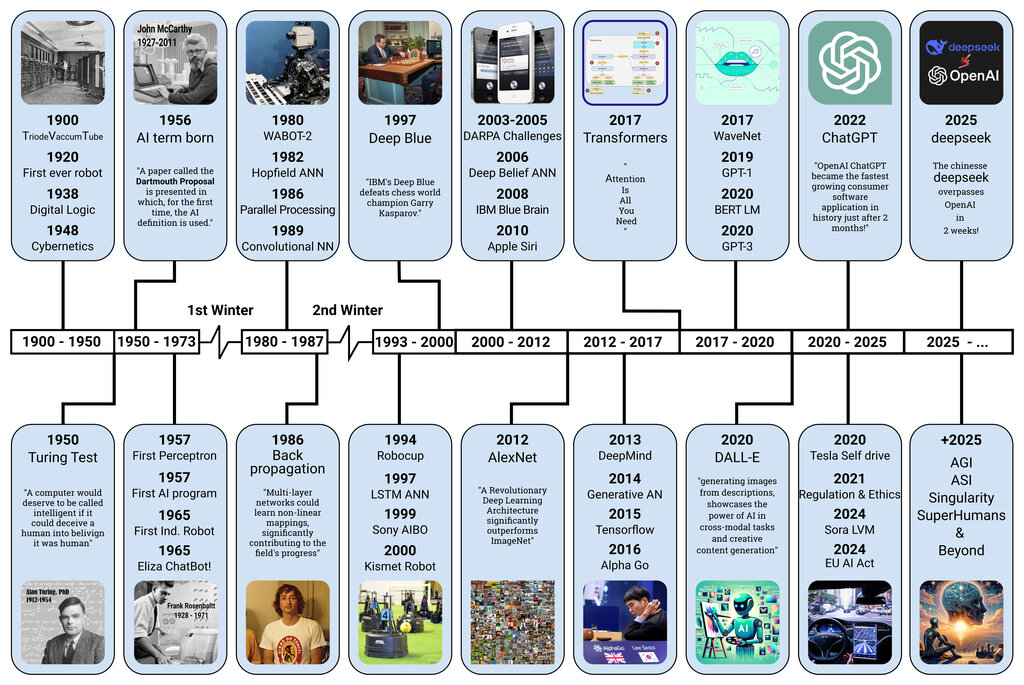
Today, systems can draw context from a huge variety of sources: sensors in our phones and smartwatches, entries in our calendars, our social media connections, our purchase history, and our patterns of behavior over time. This rich, multi-layered understanding of a user's situation is what allows modern AI and software to feel so personalized and proactive.
This deliberate practice of designing systems to gather, manage, and use this situational data is what we call context engineering.
Now, let's test your understanding of these foundational concepts.
In the field of computing, what is the best definition of 'context'?
Which of the following is the clearest example of a system using context-aware computing?
By building a solid grasp of context, you're ready to explore how it's actively engineered into the smart systems we use every day.