Context Engineering Essentials
Introduction to Context Engineering
What Is Context Engineering?
Imagine talking to a friend who has no memory. Every time you speak, you have to start from the very beginning, re-explaining who you are and what you were just talking about. It would be frustrating and inefficient. Now, imagine an AI model working the same way. Without a sense of the situation, it can't provide truly helpful responses.
This is where context engineering comes in. It’s the process of deliberately designing and providing AI systems with the right background information so they can perform tasks intelligently. It’s not just about what you ask an AI; it’s about what the AI knows before it answers.
Context engineering is the strategic design, management, and delivery of relevant information—or “context”—to AI systems in order to guide, constrain, or enhance their behavior.
Think of it as preparing a briefing for a collaborator. You wouldn't just give them a one-sentence task. You'd provide relevant documents, notes from past meetings, and a clear goal. Context engineering does the same for AI, ensuring it has the necessary details to be relevant, accurate, and useful.
A Brief History
The idea of giving computers context isn't new. It has roots in the earliest days of human-computer interaction (HCI). Early software developers realized that for programs to be useful, they had to remember user preferences and previous actions. A simple example is a word processor remembering your default font settings.
As technology evolved, so did the use of context. Recommendation engines on sites like Amazon and Netflix began using your viewing and purchase history—a form of context—to suggest what you might like next. This made the experience more personal and relevant.
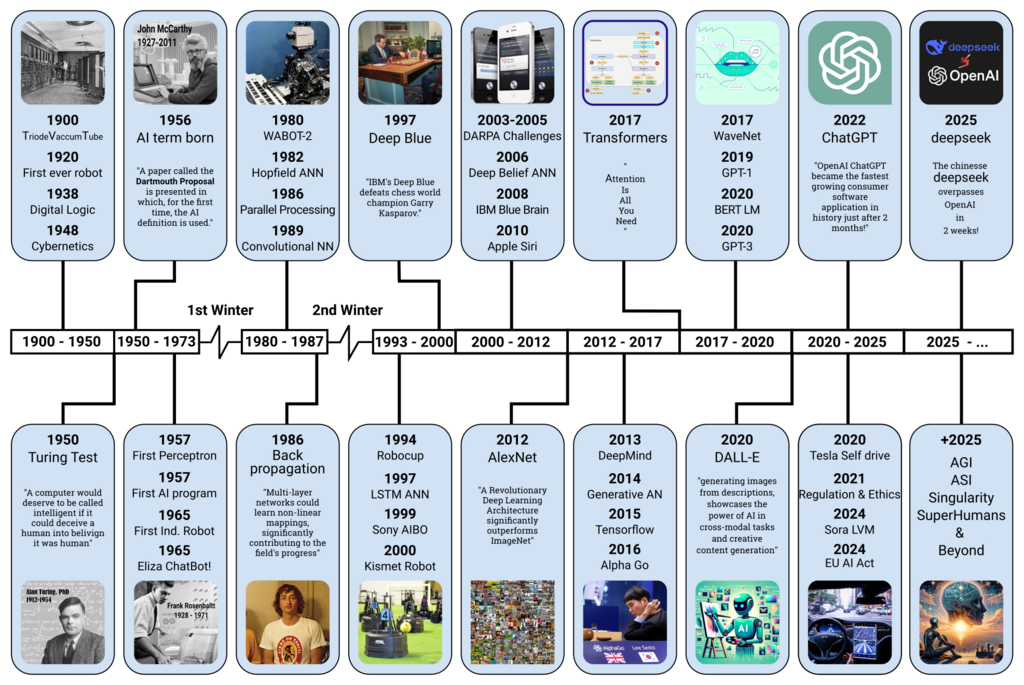
The real shift came with the rise of powerful AI and natural language processing (NLP). When we started having conversations with machines, the need for context exploded. An AI chatbot needs to remember what was said earlier in a conversation to make sense of what's being said now. For large language models (LLMs) to answer complex questions or perform sophisticated tasks, they need a rich, well-managed source of context.
Why Context Matters for AI
Context is what transforms a powerful AI from a simple pattern-matching machine into a genuinely helpful assistant. Without it, even the most advanced models can give generic, incorrect, or completely irrelevant answers.
Consider a simple request: "What's the weather like?" The AI's response is useless without knowing your location. That location is the key piece of context. Similarly, if you ask an AI to "summarize the document," it needs the document itself. If you ask it to "write a follow-up email," it needs the original email and the goal of the follow-up.
Proper context engineering leads to significant improvements in AI performance:
- Relevance: The AI provides answers that are directly applicable to the user's situation.
- Accuracy: Grounding the AI with facts and specific data reduces the risk of it making things up, an issue often called "hallucination."
- Personalization: The system can tailor its responses to individual user needs, preferences, and history, creating a more effective and natural interaction.
In short, context is the bridge between a user's intent and an AI's capability. Engineering that context is key to building smarter, more reliable AI systems.
Now, let's test your understanding of these foundational concepts.
What is the primary goal of context engineering?
The provided text compares context engineering to which real-world activity?
Understanding what context engineering is and why it matters is the first step toward building more sophisticated and useful AI applications.