Contentment and Purposeful Growth
Mindfulness Practices
What is Mindfulness?
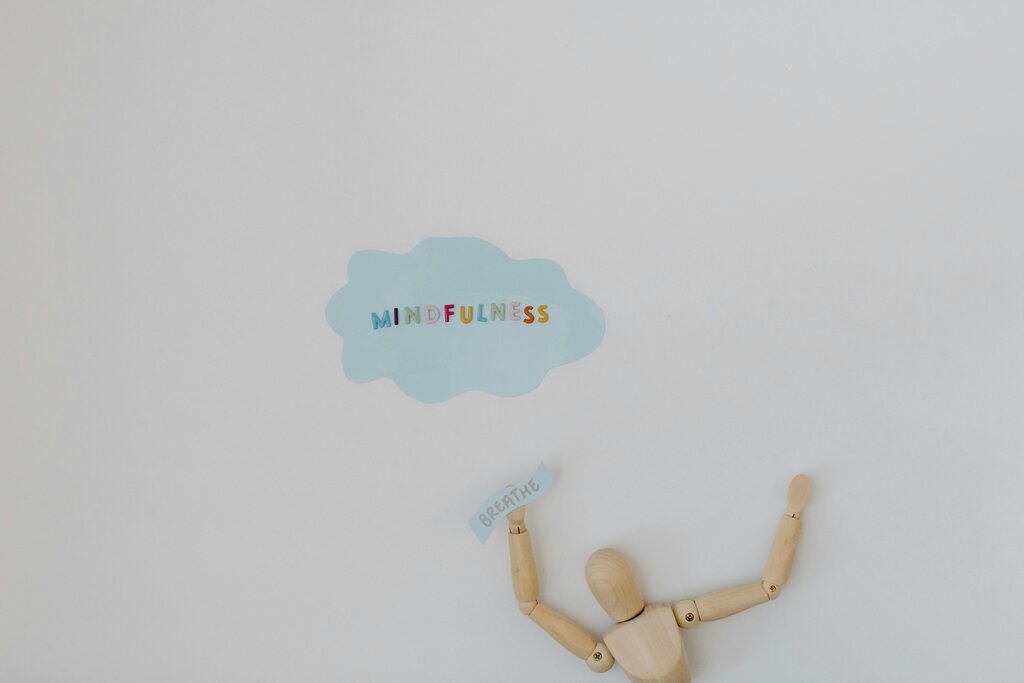
At its core, mindfulness is the simple practice of paying attention to the present moment on purpose, without judgment. It’s not about emptying your mind or stopping your thoughts. It's about noticing them, along with your feelings and the world around you, just as they are.
Think of it as waking up from autopilot. Instead of rushing through your day, you intentionally engage with it.
When you're mindful, you observe your thoughts without getting caught up in them. This creates a little bit of space between you and your reactions. In that space, you can choose how to respond to situations rather than being carried away by old habits. This small shift can lead to big benefits, like reduced stress, better focus, and a greater sense of calm and self-awareness.
Simple Ways to Practice
Getting started with mindfulness doesn't require any special equipment or a lot of time. Two of the most foundational practices are mindful breathing and the body scan. They are excellent ways to train your attention and anchor yourself in the present.
Your breath is always with you. It’s a reliable anchor to the present moment whenever you feel your mind wandering or overwhelmed.
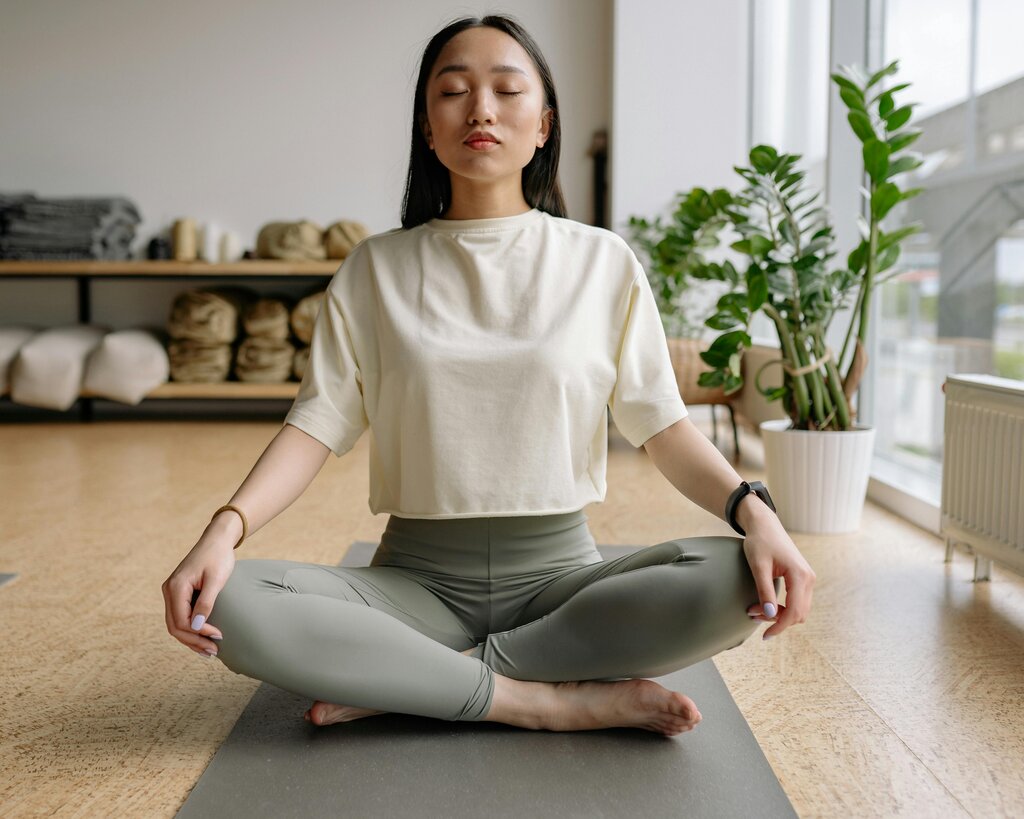
To practice mindful breathing, find a comfortable place to sit or lie down. Close your eyes if you'd like. Turn your attention to the physical sensation of your breath. Feel the air moving in through your nose, filling your lungs, and then flowing back out. Your mind will wander. That's what minds do. When you notice it has drifted, gently and without criticism, guide your attention back to your breath. That's the entire practice: noticing your mind has wandered and returning it to the present moment.
The body scan is another simple meditation. Lie down on your back with your arms at your sides. Starting with your toes, bring your attention to one part of your body at a time. Simply notice any sensations there—warmth, coolness, tingling, pressure—without needing to change anything. Slowly move your focus up through your feet, legs, torso, arms, and head. This practice helps you reconnect with your body and notice physical sensations without layering stories or judgments on top of them.
Mindfulness on the Go
Formal meditation is powerful, but the real goal is to bring mindfulness into your everyday life. You can practice being present during any routine activity. This is about transforming mundane moments into opportunities for awareness.
| Activity | On Autopilot | With Mindfulness |
|---|---|---|
| Washing Dishes | Thinking about your to-do list, replaying a conversation, or listening to a podcast. | Feeling the warm water on your hands, hearing the sound of the sponge, seeing the soap bubbles. |
| Drinking Coffee | Checking emails on your phone while you sip, barely tasting it. | Noticing the aroma, the warmth of the mug, and the flavor of each sip. |
| Walking | Lost in thought about the past or future, not noticing your surroundings. | Feeling your feet on the ground, seeing the colors around you, hearing the sounds of your environment. |
The key is to engage your senses. When you're eating, really taste your food. When you're walking, notice the feeling of the air on your skin. By doing this, you're constantly practicing bringing your attention back to the here and now, which strengthens your mindfulness muscle.
Common Challenges
It’s normal to face challenges when you start practicing mindfulness. Your mind is used to being busy, and sitting still can feel strange at first. Here are a few common hurdles and how to approach them.
"My mind is too busy to meditate." This is the most common thought of all. It’s a sign that you’re noticing how active your mind is, which is the first step of mindfulness. The goal isn't to stop thoughts, but to simply notice them. Don't fight them; just let them pass like clouds in the sky.
"I feel restless or bored." These are just more feelings to notice. When boredom or restlessness arises, get curious about it. Where do you feel it in your body? What does it feel like? By observing the feeling without reacting, you learn that you don't have to be controlled by it.
"I don't have enough time." Mindfulness doesn’t have to be another thing on your to-do list. Start small. Even one to three minutes of mindful breathing can make a difference. Or, skip a formal session and practice mindfulness while brushing your teeth or waiting in line. Every moment is an opportunity.
Like any new skill, mindfulness takes practice. Be patient and kind to yourself. The simple act of showing up and trying is a success in itself.
Ready to check your understanding of these core ideas?
According to the text, what is the core practice of mindfulness?
During mindful breathing, the mind wandering is a natural part of the process.