Content Marketing Essentials
Introduction to Content Marketing
What Is Content Marketing?
Instead of pitching your products or services, you are providing truly relevant and useful content to your prospects and customers to help them solve their issues. Think of it like this: traditional marketing is like a salesperson knocking on your door, but content marketing is like being the trusted local expert everyone comes to for advice.
Content marketing is the art of communicating with your customers and prospects without selling. It's a non-interruption marketing.
The core idea is to attract and retain a clearly defined audience by consistently creating and curating relevant and valuable content. The ultimate goal is to drive profitable customer action. It’s about building a relationship and establishing trust, so when a customer is ready to buy, they think of you first.
From Interrupting to Inviting
Marketing used to be about interrupting people. Think of TV commercials that cut into your favorite show, or magazine ads that take up a full page. This is called outbound marketing, where companies push their message out to a broad audience, hoping some of it sticks.
Content marketing is the opposite. It's a form of inbound marketing. Instead of interrupting, you create valuable content that people actively seek out. A helpful blog post, an instructional video, or an insightful podcast are all invitations for potential customers to engage with your brand on their own terms. This shift happened as consumers got better at ignoring traditional ads.
| Feature | Traditional Marketing | Content Marketing |
|---|---|---|
| Approach | Pushes messages out (outbound) | Pulls audience in (inbound) |
| Focus | The product or company | The customer's needs |
| Communication | One-way conversation | Two-way dialogue |
| Value | Interrupts the user's activity | Is the activity itself |
Benefits of Content
Why do companies invest so much in creating content? Because it works. The benefits go far beyond just making a sale.
- Builds Trust: By providing valuable information without asking for anything in return, you establish your brand as a credible and trustworthy authority in your field.
- Improves SEO: Search engines like Google reward websites that publish high-quality, consistent content. This makes it easier for potential customers to find you organically.
- Generates Leads: Great content can capture a reader's interest and encourage them to share their contact information, turning an anonymous visitor into a potential customer.
- Strengthens Brand Reputation: Consistently helpful content creates a positive association with your brand, building a loyal community around your business.
The Building Blocks
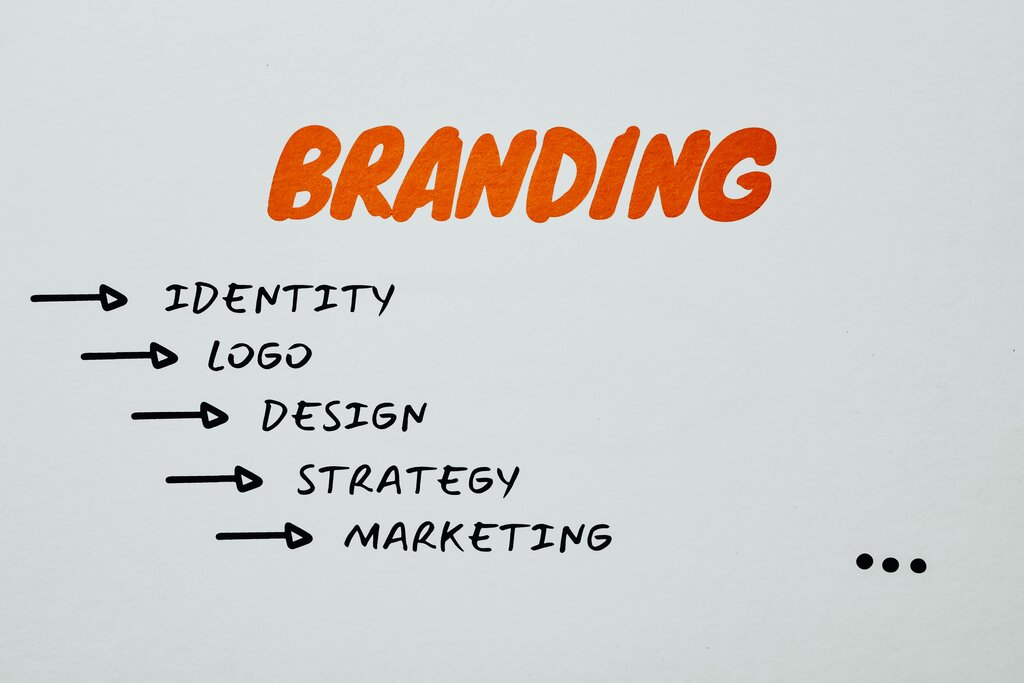
A successful content marketing effort isn't random. It's built on a few key components that work together.
First, you need to know your target audience. Who are you trying to reach? What are their problems, questions, and interests? Content that resonates with one group might fall flat with another.
Next are the content formats. Content can take many shapes, from blog posts and videos to podcasts and infographics. The right format depends on your audience's preferences and the message you want to convey.
Finally, you need clear goals and metrics. What do you want to achieve with your content? Whether it's increasing website traffic, generating leads, or boosting sales, you need a way to measure success to know what's working and what isn't.
Content should be the foundation of any modern marketing strategy.
Now, let's test your understanding of these foundational concepts.
What is the core principle of content marketing?
Content marketing is considered a form of inbound marketing.
With these basics in mind, you're ready to explore how to build a content strategy from the ground up.