Content Management Technology Explained
Introduction to Content Management Technology
The Library of the Internet
Every day, we interact with a staggering amount of digital information. We read articles, watch videos, browse products, and scroll through social media feeds. All of this material—the text, images, and files we consume online—is what we call content.
content
noun
Digital material, including text, images, videos, audio, and documents, that is created, published, and managed for an audience.
But how does all this content get onto our screens? And how do organizations keep it all organized and up-to-date? The answer lies in Content Management Technology (CMT). Think of it as the librarian for a website or app. It's the system working behind the scenes to file, retrieve, and display information exactly when and where it's needed.
A system built on this technology is called a Content Management System, or CMS.
A content management system (CMS) is software that allows individuals and teams to create, edit, organize, and publish digital content without deep technical knowledge.
From Static Pages to Dynamic Experiences
Content management wasn't always so sophisticated. In the early days of the web, websites were collections of static HTML files. To change a simple typo, a developer had to find the right file, edit the code by hand, and upload it back to the server. It was slow, technical, and prone to errors. Every small update required a specialist.
As the web grew, this manual process became unsustainable. Businesses needed a way for marketers, writers, and editors to manage content without knowing how to code. This need gave rise to the first content management systems. These early platforms separated the raw content (the text and images) from its presentation (the design and layout). This was a revolutionary shift. Now, someone could update a blog post through a simple interface, and the system would automatically handle the formatting and publishing.
Today, CMT has evolved even further. Modern systems don't just power websites. They deliver content to mobile apps, smart watches, digital billboards, and voice assistants. The focus has shifted from managing pages to managing flexible, reusable chunks of content that can be assembled and displayed in countless ways across any digital platform.
What's Inside a CMS?
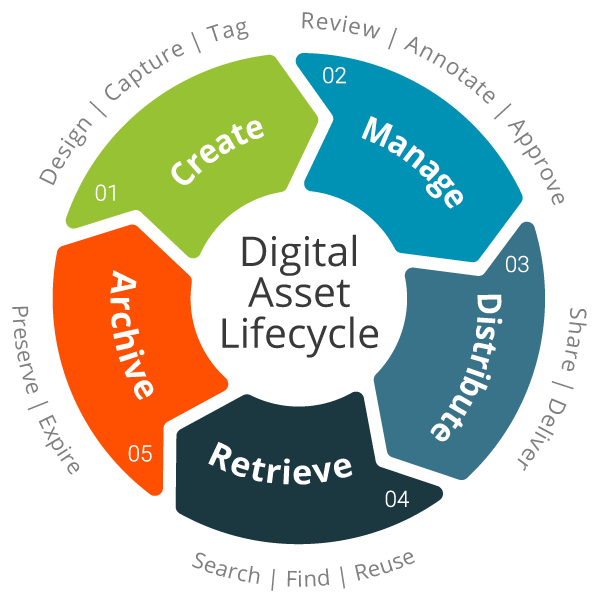
While every CMS is different, they generally share a few core components that work together to manage the entire content lifecycle, from creation to deletion.
| Component | Purpose |
|---|---|
| Content Repository | A database that stores all the content, such as text, images, and videos. |
| Creation Interface | The editor where users write and format content, often a "what you see is what you get" (WYSIWYG) editor. |
| Workflow & Publishing | Tools for managing review and approval processes before content goes live. |
| Presentation Layer | The part of the system that takes the raw content and applies a design or template to display it to the end-user. |
These pieces work in harmony to create a streamlined process. A writer drafts an article in the creation interface. It gets stored in the repository. An editor is then notified to review it through the workflow system. Once approved, the system pushes it to the presentation layer, which formats it beautifully for the website and the mobile app simultaneously. This structured workflow is essential for maintaining quality and consistency, especially for large teams.
In a digital-first world, effective content management is not just a technical convenience; it's a strategic necessity. It allows organizations to be agile, consistent, and efficient in how they communicate with their audience, no matter the device or platform.
Ready to check your understanding? Let's review the key ideas from this section.
What is the primary function of Content Management Technology (CMT)?
What was the revolutionary shift introduced by the first content management systems?
Now you have a solid foundation in what content management technology is and why it matters. You understand its journey from simple code files to the powerful, flexible systems that power today's digital experiences.