Content Creation Mastery
Understanding Digital Platforms
Choosing Your Stage
Every digital platform is like a different stage. A joke that lands well in a small comedy club might fall flat in a large theater. In the same way, content that shines on one platform can get lost on another. The key isn't just creating good content, but understanding where that content belongs.
Each social network, blog platform, or video site has its own unique audience, style, and set of expectations. Choosing the right one means matching your message to the people you want to reach and the way they like to consume information. Think of it as finding the right key for the right lock.
The Video Giants
Video is the dominant force in online content, but not all video platforms are created equal. YouTube, Instagram, and TikTok are the three biggest players, and each serves a very different purpose.
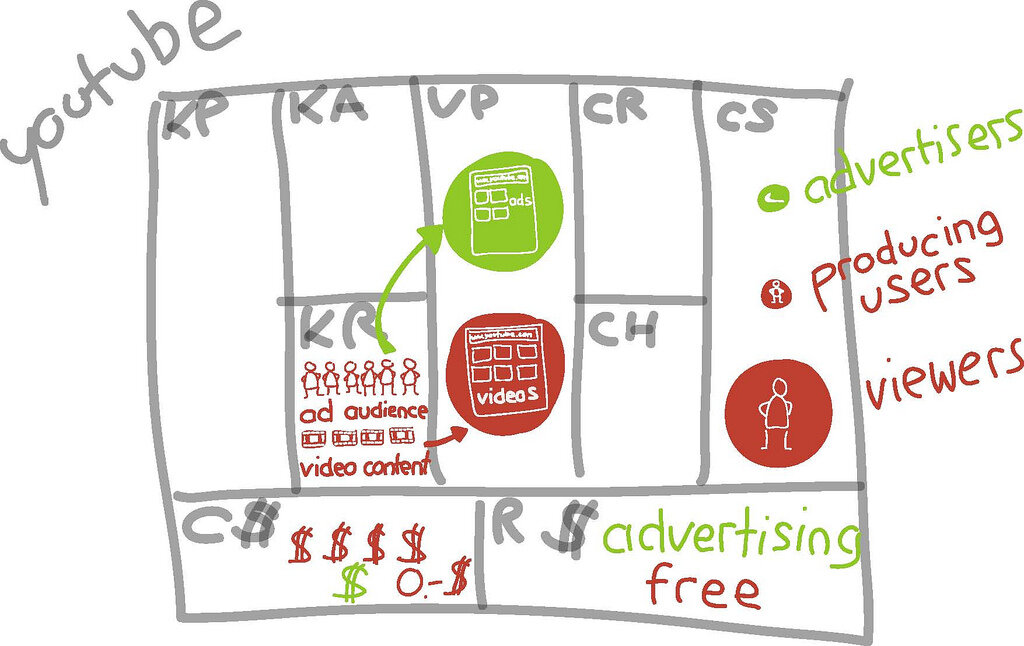
YouTube is like a massive digital library or university. Users go to YouTube with a purpose: to learn how to do something, watch a detailed product review, or follow a long-form story from a creator they trust. The audience is incredibly broad, but they're often willing to invest more time in a single piece of content.
This makes YouTube the ideal home for evergreen content, which is content that stays relevant for a long time. Think tutorials, educational series, deep-dive documentaries, and polished video essays. Success here is built on providing value and building a loyal subscriber base over time.
Best for: Detailed tutorials, product reviews, educational series, and long-form vlogs.
Instagram, on the other hand, functions more like a glossy lifestyle magazine. It's highly visual, emphasizing high-quality photos and polished short videos. The audience, while diverse, is often drawn to aesthetics, inspiration, and quick glimpses into different lifestyles.
Content here is more fleeting. Instagram Reels, which are short, vertical videos, are designed for rapid discovery and entertainment, similar to TikTok. Stories offer a behind-the-scenes look that disappears after 24 hours, creating a sense of immediacy. The main feed is where you build your brand's visual identity with curated photos and carousels.
Each platform has its own audience and expectations, so it’s important to tailor your content while keeping your core brand consistent.
TikTok is the energetic, trend-driven newcomer. It's a firehose of short, vertical videos powered by a highly effective algorithm that learns what you like with stunning speed. The audience skews younger, and the platform's culture is built on participation, humor, and authenticity.
Content on TikTok is all about capturing attention in the first three seconds. It's not a place for polish; it's a place for raw, creative, and entertaining ideas. Success is often tied to jumping on trends, using popular sounds, and engaging directly with the community through duets and comments. While a video can go viral overnight, its lifespan is often just as short.
| Platform | Primary Audience | Best Content Format |
|---|---|---|
| YouTube | Broad, seekers of knowledge/entertainment | Long-form horizontal video |
| 18-35, visually-focused | Polished photos, Reels, Stories | |
| TikTok | 16-24, trend-followers | Short, authentic vertical video |
The Written Word
While video gets much of the attention, written content is far from dead. Blogs remain a powerful tool for establishing authority, exploring topics in detail, and connecting with an audience that prefers to read.
A blog is your own digital real estate. Unlike social media, you control the design, the content, and the user experience. This makes it the perfect place for thoughtful articles, detailed guides, and personal stories. People often find blogs through search engines like Google, meaning they're actively looking for the information you're providing.
The audience for blogs is as varied as the topics they cover. Whether you're writing about cooking, coding, or classic films, there's a community of readers waiting. The key is to provide genuine value and write in a clear, engaging voice. Successful blogs often become a central hub, with social media platforms used to promote the articles and engage with readers.
Best for: In-depth articles, tutorials, personal essays, and building a brand.
Now, let's test your understanding of these platforms.
A home chef wants to create a detailed, 15-minute video tutorial on how to bake a complex sourdough bread from scratch. Which platform is the best fit for this type of long-form, evergreen content?
Which platform's culture is best described as trend-driven, favoring raw authenticity and participation over highly polished aesthetics?