Content Creation Fundamentals
Introduction to Content Creation
What Is Content Creation?
At its heart, content creation is the act of making something that people will find valuable, interesting, or entertaining. It’s about sharing ideas, information, and stories in a way that connects with a specific group of people.
Content creation refers to the creation of valuable and engaging content that can be consumed by individuals or businesses.
Think of it as the modern version of storytelling. Instead of gathering around a campfire, we gather around screens on our phones, computers, and tablets. The stories are still there, but they come in many different forms.
The Building Blocks of Content
Content isn't just one thing. It's a broad term that covers a few key formats. Each type has its own strengths and works best in different situations.
| Type | Description | Examples |
|---|---|---|
| Text | The foundation of most online content. It's versatile and great for explaining complex topics. | Blog posts, articles, newsletters, social media updates, e-books. |
| Images | Visuals that capture attention quickly and convey emotion or information at a glance. | Photographs, infographics, illustrations, memes, charts. |
| Video | A powerful medium that combines visuals, sound, and motion to tell a compelling story. | Tutorials, vlogs, interviews, short-form videos (like TikToks or Reels). |
| Audio | Content designed to be listened to, allowing people to consume it while doing other things. | Podcasts, audiobooks, narrated articles, music. |
Often, these types are mixed together. A blog post might include images to break up the text, and a video might use text overlays to emphasize key points.
Why Content Matters
Content is more than just filler for a webpage; it's the primary way individuals and organizations communicate online. For businesses, it's a cornerstone of digital marketing and branding. Instead of directly advertising a product, a company might create a helpful video tutorial that shows people how to solve a common problem using their product.
This approach builds trust and establishes authority. By consistently providing valuable information, a brand becomes a go-to resource. It's a way of starting a conversation and building a relationship with an audience, rather than just shouting a sales pitch.
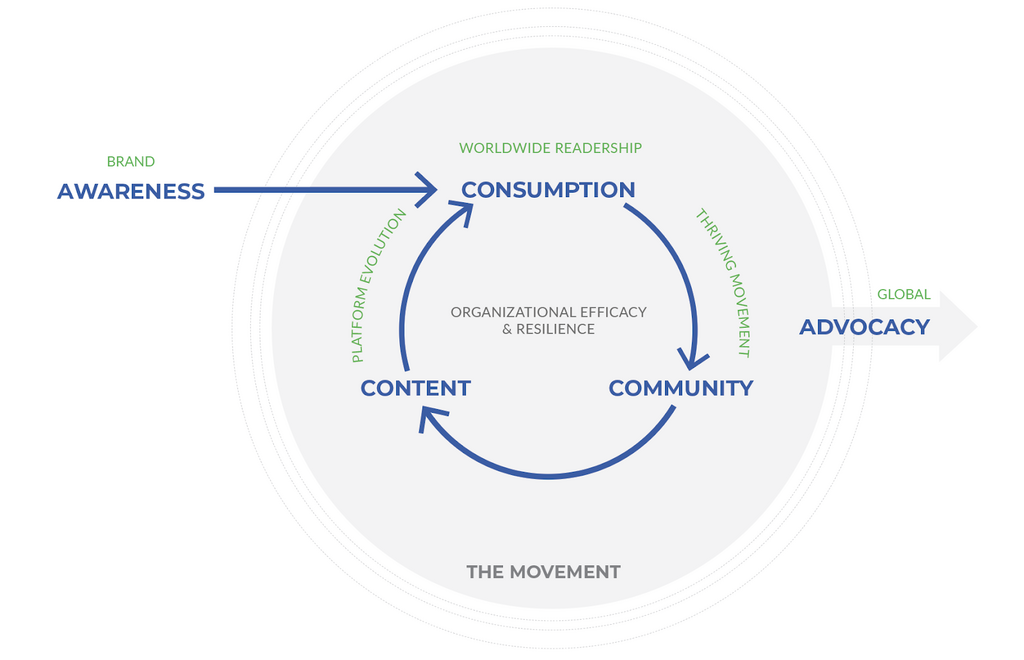
For individuals, creating content is a way to share a passion, build a personal brand, or connect with a community of like-minded people. It's a tool for sharing knowledge and making an impact.
Where Content Lives
Creating content is only half the battle. That content needs a place to live where people can find and consume it. These are called distribution platforms.
Some common platforms include:
- Websites and Blogs: These act as a central hub or home base for all your content.
- Social Media: Platforms like Instagram, X (formerly Twitter), Facebook, and LinkedIn are great for sharing content and engaging directly with an audience.
- Video Platforms: YouTube and Vimeo are the giants for hosting and sharing video content.
- Email Newsletters: A direct line to an audience's inbox, perfect for sharing curated content and updates.
- Podcast Directories: Platforms like Spotify and Apple Podcasts distribute audio content to listeners around the world.
Each platform has its own audience and best practices. The key is to share content where your target audience is most likely to see it. It's about meeting people where they are.