Content Creation Fundamentals
Understanding Digital Platforms
Choosing Your Stage
Every creator needs a place to share their work. Think of digital platforms as different kinds of stages. A stand-up comedy club has a different vibe and audience than a massive concert hall or an intimate poetry reading. The same is true online. The platform you choose shapes who sees your content and how they interact with it.
Choosing the right one isn't about finding the most popular platform. It's about finding the right audience for your message and the right format for your style. Each has its own community, its own rules, and its own language. Let's look at some of the biggest stages available.
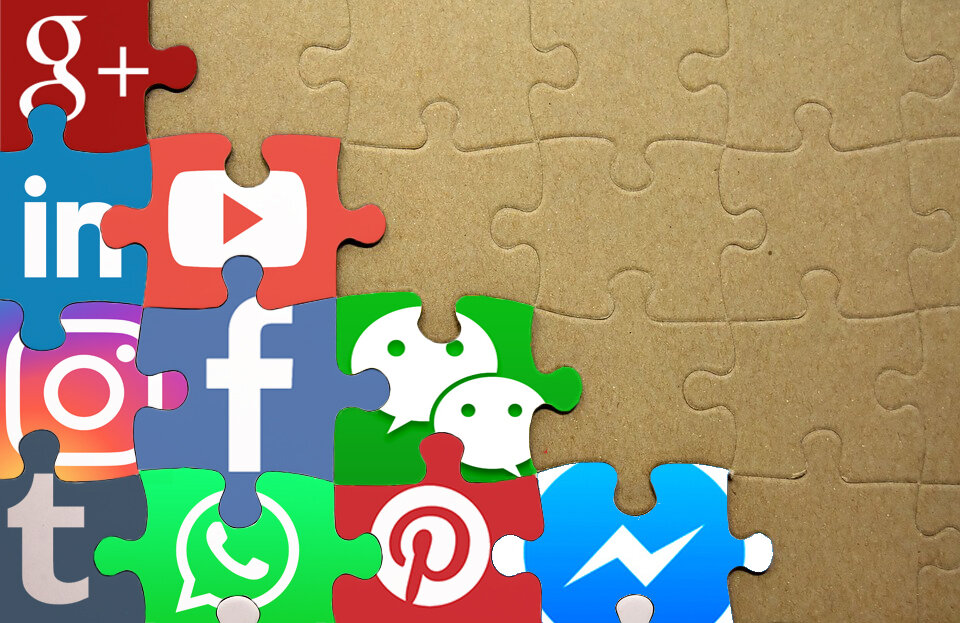
Some platforms are more beneficial for sharing certain content as opposed to others, so it’s essential that you design your content with a specific channel in mind.
The Major Platforms
While countless platforms exist, a few major players dominate the landscape. Understanding their core differences is the first step to finding your niche.
demographics
noun
Statistical data relating to the population and particular groups within it, such as age, gender, and income.
Knowing the demographics of a platform helps you understand the typical user. This information allows you to tailor your content to the people most likely to see and appreciate it. A message that resonates with teenagers on TikTok might not connect with professionals on LinkedIn.
| Platform | Primary Audience | Best Content Formats |
|---|---|---|
| Millennials & Gen Z (18-34) | High-quality photos, Reels (short videos), Stories | |
| TikTok | Gen Z & younger Millennials (16-24) | Short, entertaining, trend-based videos |
| YouTube | Broad, all ages | Long-form videos, tutorials, vlogs, educational content |
| Professionals & B2B (25-49) | Career advice, industry news, professional articles, text posts |
A Closer Look
YouTube: The Digital Library Think of YouTube as the world's largest video library. People go there with a purpose: to learn how to do something, to dive deep into a topic, or to be entertained by longer stories. It's a search-based platform, meaning users are often looking for specific information. This makes it ideal for educational content, detailed tutorials, product reviews, and documentaries. The audience is incredibly diverse, covering nearly every age group and interest imaginable.
Instagram: The Visual Magazine Instagram is all about aesthetics. It's a highly visual platform where beautiful images, polished short videos (Reels), and curated daily updates (Stories) thrive. The audience, primarily Millennials and Gen Z, comes for inspiration, lifestyle content, and a visually pleasing escape. It's perfect for creators in fashion, food, travel, and art—any field where the visuals tell the story.
On Instagram, the look and feel are just as important as the message itself.
TikTok: The Talent Show TikTok is a fast-paced hub of entertainment, trends, and creativity. It's built on a powerful algorithm that serves users a continuous stream of short, engaging videos. The audience is young and wants to be entertained or learn something new in 60 seconds or less. Authenticity and jumping on trends are key. It's a great platform for comedy, dance, quick tips, and behind-the-scenes content.
LinkedIn: The Business Conference LinkedIn is the professional corner of the internet. Users are there to network, find jobs, and share industry insights. The tone is more formal and the content is career-focused. This is the place for articles on business trends, career development advice, and company news. The audience consists of working professionals, and the goal is to build authority and credibility in your field.
Time to test what you've learned.
A career coach wants to share in-depth articles about industry trends and negotiation tactics. Which platform is the most appropriate for building professional credibility?
According to the text, which platform is described as a 'search-based' platform where users often look for specific information or tutorials?
Choosing the right platform is about matching your voice and content style to the audience that wants to hear it. Don't try to be everywhere at once. Start with the one that feels like the most natural fit.