Content Creation Fundamentals
Content Creation Basics
First, Know Your Audience
Before you write a single word or record a second of video, the most important step is to know who you're creating for. Making content without an audience in mind is like telling a joke without knowing the room. It might be a great joke, but if no one gets it, it falls flat.
Your goal is to create something that resonates with a specific group of people. To do that, you need to understand them on a few different levels.
Great content isn't about you; it's about what your audience finds valuable, entertaining, or useful.
Think about these three areas:
-
Demographics: These are the basic factual details about your audience. How old are they? Where do they live? What is their general background? Knowing this helps you tailor your language and cultural references.
-
Interests: What are they passionate about? What are their hobbies? What problems are they trying to solve? Content that taps into someone's interests is content they'll actively seek out.
-
Behaviors: How do they spend their time online? Are they scrolling through quick videos on their commute, or do they set aside time to read long articles on the weekend? This tells you how they like to consume content.
| Characteristic | Question to Ask | Example Answer |
|---|---|---|
| Demographics | Who am I talking to? | College students, age 18-22, in North America. |
| Interests | What do they care about? | Budgeting, finding internships, and sustainable living. |
| Behaviors | Where do they hang out online? | Mostly on TikTok and Instagram for short tips and YouTube for longer explanations. |
Choose Your Stage
Once you have a clear picture of your audience, you can decide where to reach them. Every platform is a different kind of stage, suited for a different kind of performance. You wouldn't perform a stand-up routine at an opera house. Likewise, you need to match your content to the right platform.
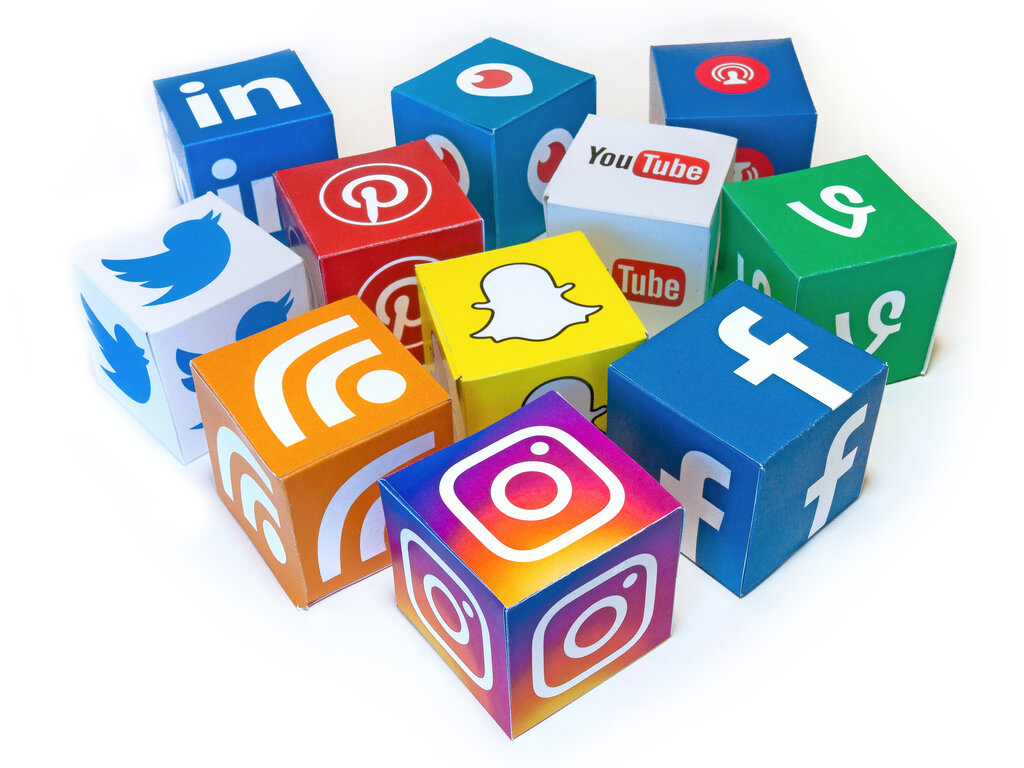
Think about the main types of platforms and what they're best for:
-
Blogs & Newsletters: Perfect for deep, text-based content. If you want to explain complex topics, share detailed guides, or tell stories, this is your place. Readers here are often willing to invest more time.
-
YouTube: The home of video. It's ideal for tutorials, reviews, vlogs, and anything that benefits from showing, not just telling. Viewers come here to learn and be entertained.
-
Podcasts: Best for audio-based storytelling, interviews, and discussions. This format is perfect for busy people who listen while commuting, exercising, or doing chores.
-
TikTok & Instagram Reels: These platforms are all about short, engaging, vertical videos. They're great for quick tips, humor, and visually striking content that grabs attention instantly.
-
Instagram & Pinterest: Highly visual platforms centered on images and graphics. They work well for topics like fashion, food, art, and travel.
Align your content strategy with the platform your target audience uses most, and tailor the content format (video, image, etc.) to that platform's trends.
Let’s imagine you want to create content about home gardening for beginners. Your audience is likely people in their 20s and 30s who are new to plants and want simple, actionable advice.
How would you match your content to a platform?
- TikTok/Instagram Reels: A 30-second video showing a time-lapse of a seed sprouting, or a quick tip on how to water a succulent.
- YouTube: A 10-minute video titled "5 Common Mistakes New Plant Owners Make" that walks through each mistake with examples.
- Blog: A detailed article on "The Ultimate Guide to Starting Your First Indoor Garden," complete with a list of easy-to-care-for plants and links to products.
- Podcast: An interview with a gardening expert discussing the mental health benefits of caring for plants.
The core topic is the same, but the content is shaped to fit the platform and the audience's expectations there. You don't have to be everywhere. It's better to choose one or two platforms where your target audience spends their time and create content that fits naturally.
Now, let's test what you've learned.
According to the text, what is the most important first step to take before creating any content?
Understanding how your audience consumes content, such as preferring short videos on their commute or long articles on weekends, falls under which category?
Understanding your audience and choosing the right platform are the first steps toward creating content that truly connects.