Content Creation Essentials
Understanding Your Audience
Who Are You Talking To?
Before you write a single word or design an image, the most important question to ask is: who is this for? Without a clear answer, you're just shouting into the void. Content that tries to appeal to everyone often ends up appealing to no one.
Think of it like telling a joke. The same joke can make one group of friends laugh hysterically and earn you confused stares from another. The joke itself doesn't change, but the audience does. To make your message land, you need to know who's listening. This means moving beyond guesswork and using data to build a clear picture of your audience.
Understanding your target audience is the foundation of creating engaging content.
Start with Demographics
The most straightforward way to begin understanding your audience is by looking at their demographics. These are the basic, factual details about a group of people. It’s the statistical “who” in your audience equation.
Demographics
noun
Statistical data relating to a population and particular groups within it.
Common demographic data points include age, location, gender, language, education level, and income. This information provides a solid, objective baseline. For example, knowing your audience is primarily 18-24 year olds living in urban areas will drastically change your approach compared to an audience of 65+ year olds in rural communities.
You can often find this data in the analytics tools of your existing platforms, like your website or social media pages. Simple surveys can also be a great way to ask your audience directly.
| Demographic | Target Audience: "City Beans Coffee" |
|---|---|
| Age | 25-40 |
| Location | Urban / Metropolitan areas |
| Income Level | Middle to Upper-Middle |
| Education | College degree or higher |
Dig Deeper with Interests and Behaviors
Demographics tell you who your audience is, but they don't tell you why they do what they do. That's where interests and behaviors come in. These are the psychographics that reveal motivations, habits, and passions.
Interests are what your audience cares about. What are their hobbies? What values do they hold? What other brands or creators do they follow? This helps you understand their mindset.
Behaviors are about how your audience acts. When are they most active online? What kind of content do they spend the most time with? Are they quick to adopt new technology or more cautious? This reveals their habits.
For example, two people can have the same demographics but wildly different interests. One might be a homebody who loves gardening and baking, while the other is an adventurer who enjoys rock climbing and international travel. Your content would need to connect with them in very different ways.
A powerful way to uncover these details is through social listening. This involves monitoring digital conversations to understand what people are saying about your industry, your brand, and your competitors.
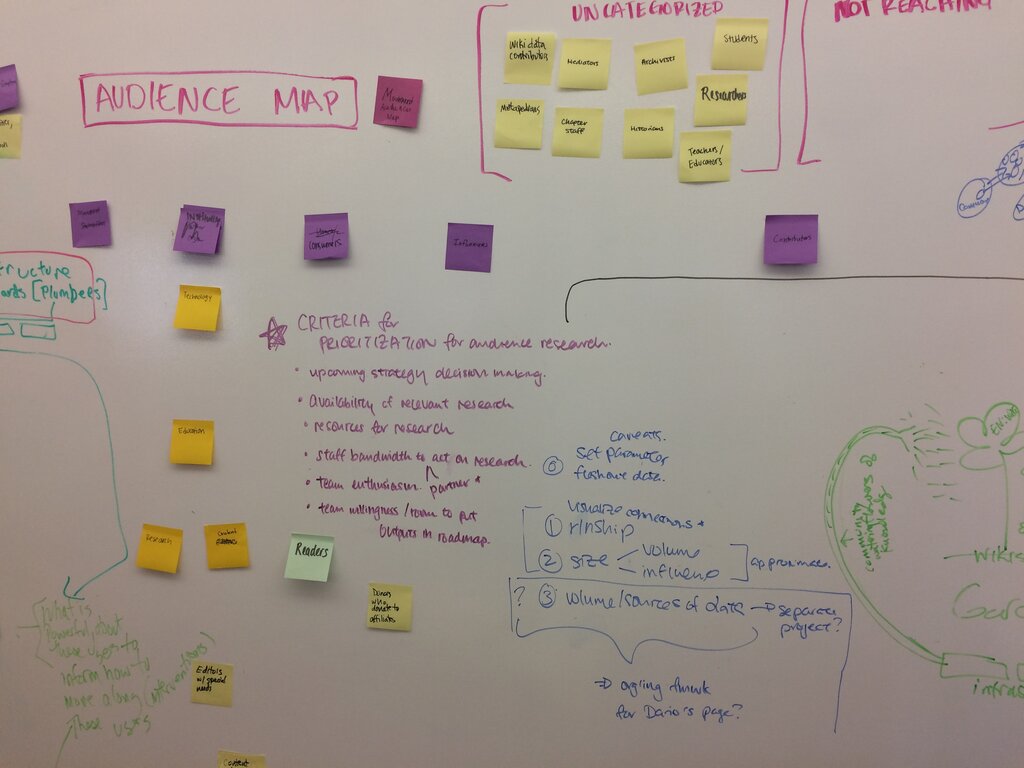
Using social listening tools, you can track keywords, hashtags, and mentions across various platforms. You're not just looking for people talking to you; you're looking for people talking about topics relevant to you. This provides unfiltered insights into their opinions, pain points, and desires.
Bring It All Together with Personas
Once you've gathered all this data—demographics, interests, behaviors—it can feel a bit abstract. The final step is to synthesize it into something tangible: an audience persona.
An audience persona is a fictional character you create to represent a key segment of your audience. It's not a real person, but it's based on real data and insights. Giving your audience segment a name, a face, and a story makes it much easier to empathize with them and create content that speaks directly to their needs.
Creating 2-3 key personas is a common practice. Instead of trying to create content for a vague, faceless crowd, you can ask, “Would Alex find this useful?” or “Would this resonate with Maria?” This simple shift in perspective is the key to creating content that truly connects.
What is the most crucial first step to take before designing any content?
Which of the following data points is considered a demographic detail?