Content Creation Essentials
Understanding Digital Content
What is Digital Content?
Anything you create and share online is digital content. It’s the blog post you read this morning, the photo your friend posted from their vacation, the podcast you listen to on your commute, and the video tutorial that taught you how to fix a leaky faucet. It's the primary way we communicate, learn, and entertain ourselves in the digital world.
digital content
noun
Any information or media that exists in a digital format and can be shared or stored electronically.
Digital content isn't just about selling products or building a brand. It's about making connections. When you create something that informs, entertains, or helps someone, you're building a relationship with them. This is the core of effective communication online.
The Four Main Flavors
While digital content comes in countless forms, most of it falls into four main categories. Each type has its own strengths and is suited for different purposes and platforms.
Text: This is the foundation of the internet. It includes articles, blog posts, emails, social media updates, and website copy. Text is great for explaining complex ideas, sharing detailed information, and improving search engine visibility.
Images: A picture is worth a thousand words, especially online. Images, like photos, infographics, and illustrations, grab attention quickly and can make abstract concepts easier to understand.
Videos: From short clips on TikTok to feature-length documentaries on YouTube, video is a powerful tool for storytelling. It combines visuals, audio, and motion to create a highly engaging experience.
Interactive Media: This type of content requires the audience to participate. Examples include quizzes, polls, online calculators, and simple games. It's excellent for holding attention and creating a memorable experience.
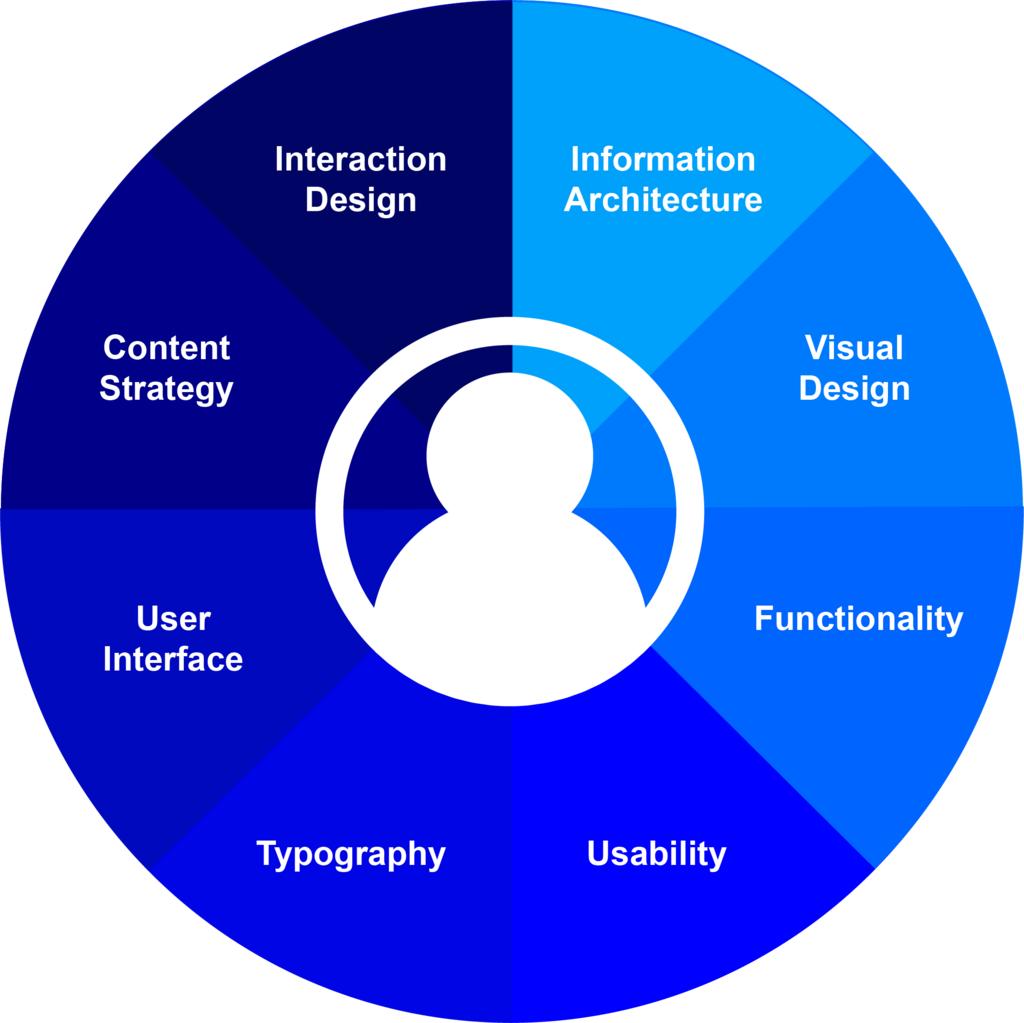
Here is an example of a visual infographic. It communicates complex relationships between different design disciplines much faster than text alone could.
Content, Audience, and Platform
Great content isn't created in a vacuum. It’s a conversation between three key elements: the content itself, the intended audience, and the platform where it's shared.
Think of it like choosing an outfit. You wouldn't wear a tuxedo to the beach or a swimsuit to a business meeting. The context matters. In the same way, the content you create needs to fit the audience you're trying to reach and the platform you're using.
Understanding your audience is the cornerstone of effective content creation.
An audience of professional software developers on LinkedIn will expect a different style of content than an audience of teenagers on TikTok. One might want in-depth technical articles, while the other prefers short, funny, trend-based videos. The platform itself also sets expectations. Instagram is visual, Twitter (X) is text-based and brief, and YouTube is all about video.
| Platform | Primary Content | Audience Expectation |
|---|---|---|
| Blog / Website | Long-form text, images | In-depth, informative articles |
| High-quality images, Reels | Visually appealing, inspiring, entertaining content | |
| Professional articles, text posts | Industry insights, career advice, company news | |
| TikTok | Short-form videos | Entertaining, funny, trend-driven clips |
Aligning your content with the right audience and platform is the first step toward making something people will actually want to engage with. Let's review some of the key terms we've covered.
Now, check your understanding of these foundational concepts.
According to the provided text, what is the core purpose of effective digital content?
Great content is described as a "conversation" between three key elements. What are they?
By understanding these basics—what digital content is, its various types, and how it connects with audiences and platforms—you have the foundation needed to start creating effectively.