Contemporary History Unveiled
Post-War Reconstruction
A World Remade
The end of World War II in 1945 left much of the world in ruins. Cities were flattened, economies were shattered, and millions of people were displaced. The old powers of Europe, like Britain and France, were exhausted. In their place, two new superpowers emerged with vastly different visions for the future: the United States and the Soviet Union.
To understand Europe and where we are today in terms of European integration and some of the phenomena we’re seeing in the contemporary period, we do have to go back to that Europe that no longer exists, the post-World War II Europe,
Rebuilding and Realigning
Europe's immediate challenge was survival. To prevent a total economic collapse and the potential spread of communism, the United States launched the European Recovery Program, better known as the Marshall Plan. From 1948 to 1951, the U.S. provided over $13 billion (over $150 billion in today's money) in aid to help Western European nations rebuild their infrastructure and economies. The plan was a massive success, fueling a period of rapid growth.
The Marshall Plan wasn't just charity. It was a strategic investment to create stable, democratic partners and markets for the United States.
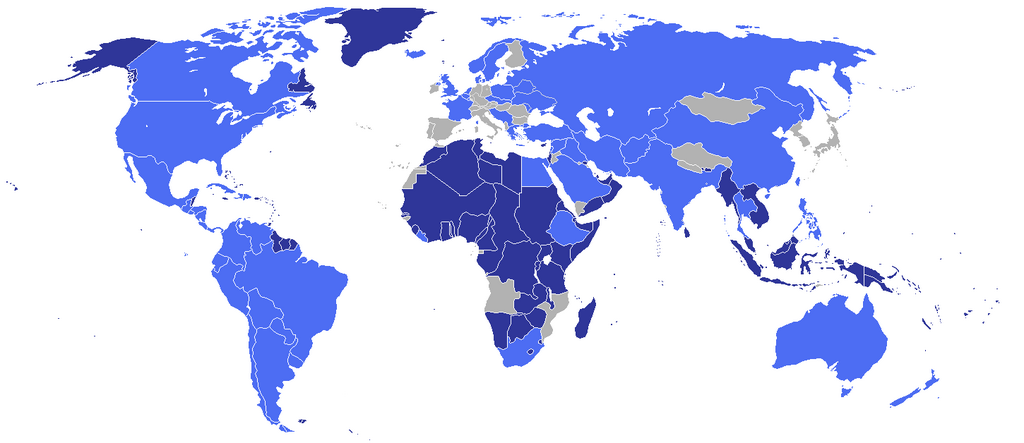
At the same time, the world sought a new way to prevent future conflicts. In 1945, delegates from 50 countries met in San Francisco to create the United Nations (UN). Its goal was to maintain international peace and security, foster friendly relations among nations, and promote social progress and human rights. Unlike its failed predecessor, the League of Nations, the UN was given more authority and included all major world powers from the start.
The First Cracks Appear
Despite hopes for a peaceful new era, tensions quickly flared between the former allies. The first major flashpoint was Germany. After the war, Germany was divided into four occupation zones, controlled by the U.S., Britain, France, and the Soviet Union. The capital, Berlin, located deep inside the Soviet zone, was also divided among the four powers.
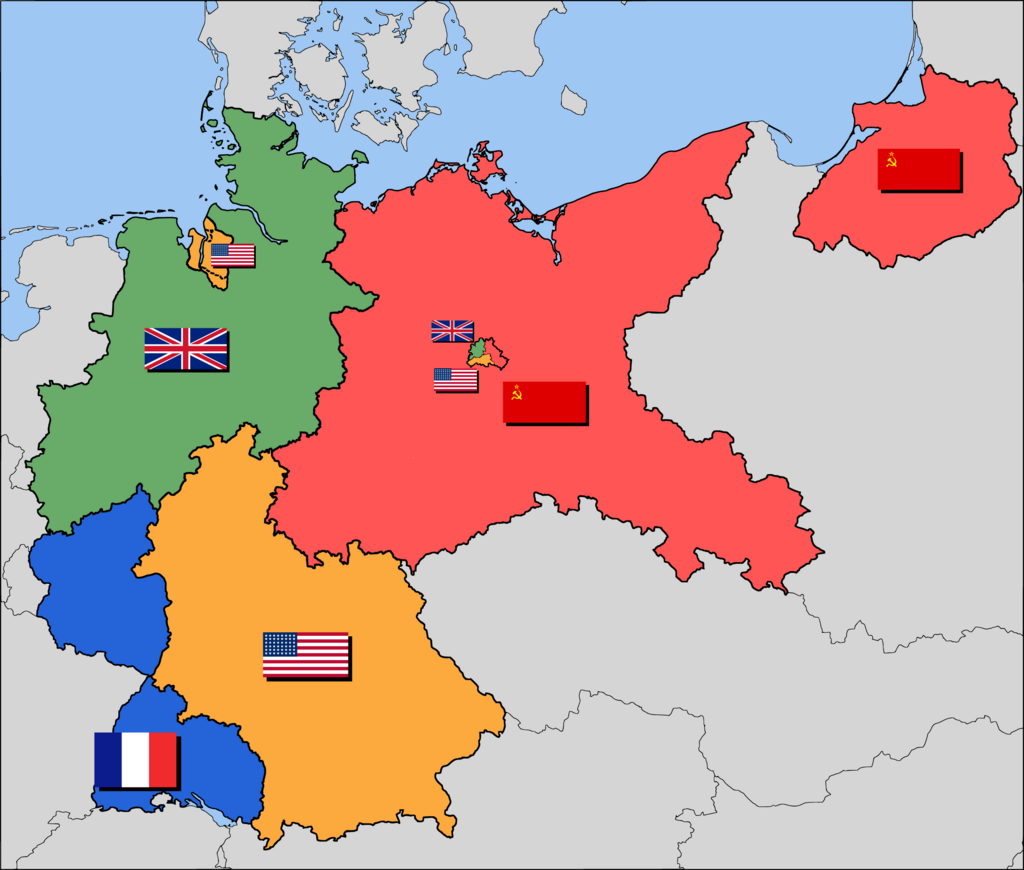
In 1948, the Western powers moved to unify their zones and introduce a new currency to stabilize the economy. The Soviets saw this as a threat. In response, they blockaded all land and water routes into West Berlin, hoping to starve the city into submission and force the Western allies out.
The U.S. and its allies refused to back down. For nearly a year, they organized the Berlin Airlift, flying food, fuel, and supplies into the city around the clock. It was a monumental undertaking that kept over two million Berliners alive and demonstrated Western resolve. In May 1949, the Soviets lifted the blockade.
The Berlin Airlift was the first major confrontation of a new kind of conflict: a Cold War.
This standoff solidified the division of Germany. The Western zones became the Federal Republic of Germany (West Germany), a democratic nation. The Soviet zone became the German Democratic Republic (East Germany), a communist state.
A Divided World
The Berlin crisis marked the beginning of the Cold War. This was not a traditional war with direct fighting between the two superpowers. Instead, it was an ideological, political, and economic struggle for global influence between the capitalist United States and the communist Soviet Union.
Cold War
noun
A state of geopolitical tension after World War II between powers in the Western Bloc (the United States, its NATO allies and others) and powers in the Eastern Bloc (the Soviet Union and its satellite states).
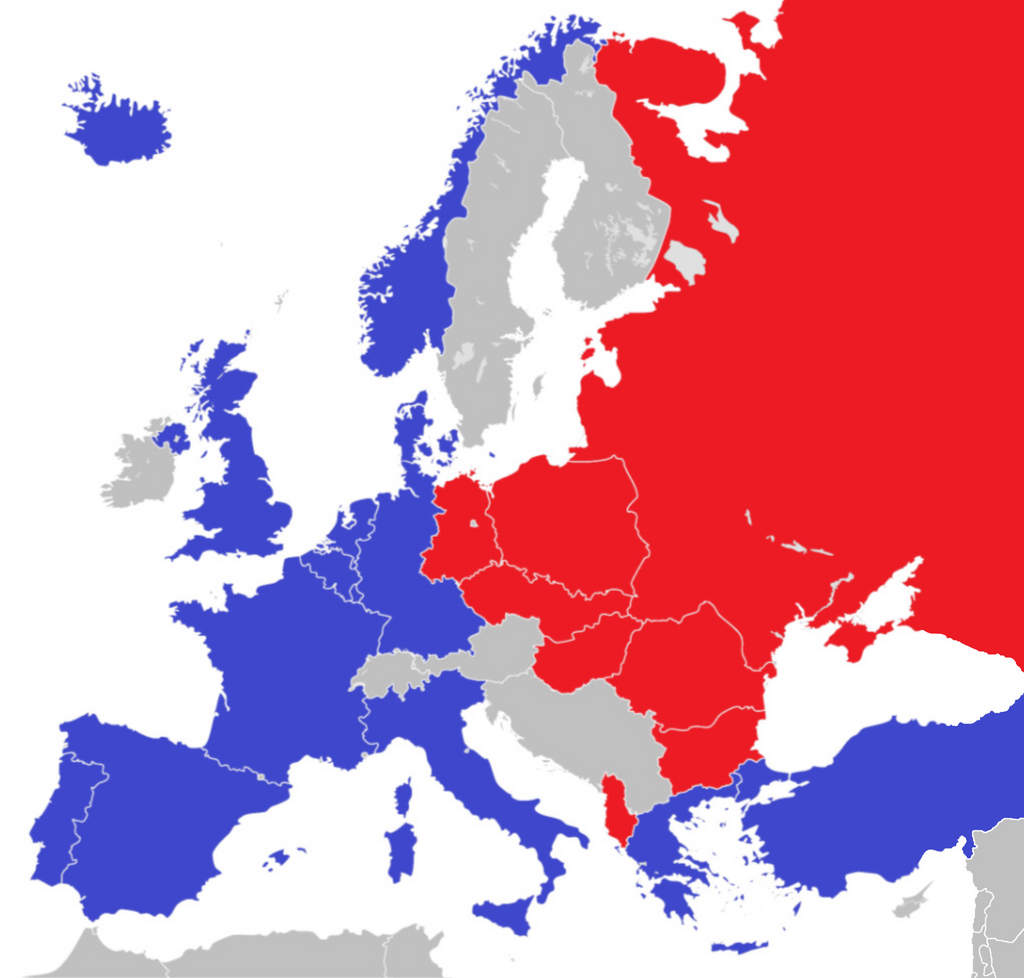
The world quickly split into two camps. In 1949, the U.S., Canada, and ten European nations formed the North Atlantic Treaty Organization (NATO), a military alliance based on collective defense. The Soviet Union responded by creating its own alliance, the Warsaw Pact, with its Eastern European satellite states.
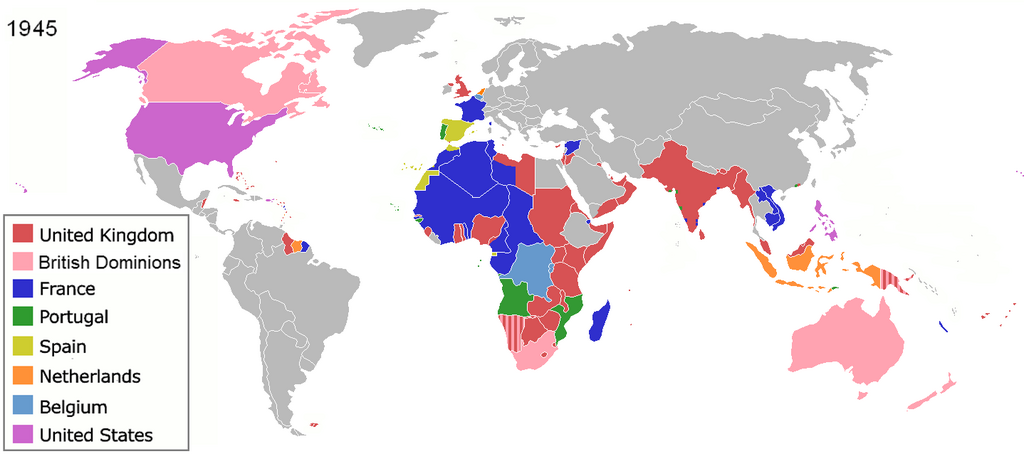
While Europe was dividing, another historic change was sweeping the globe. The war had weakened the old colonial empires of Britain and France. Across Asia and Africa, independence movements gained momentum. India and Pakistan gained independence from Britain in 1947. Indonesia declared independence from the Netherlands. These were the first waves of decolonization, a process that would redraw the world map over the next few decades.
Now, let's test your knowledge on the monumental shifts that occurred after World War II.
What was the primary goal of the Marshall Plan?
What event directly triggered the Berlin Airlift?
The years following 1945 did not bring the lasting peace many had hoped for. Instead, they created a new and complex world order defined by reconstruction, new alliances, superpower rivalry, and the birth of new nations.