Contemporary Art Explained
Abstract Expressionism
Art Without a Subject
After World War II, the center of the art world shifted from Paris to New York City. A new generation of American artists, energized and seeking a new visual language, broke away from painting recognizable things. They wanted to paint feelings, ideas, and the very act of creation. This was the birth of Abstract Expressionism.
It was a radical idea. Instead of painting a landscape or a person, artists treated the canvas as an arena for action. The art was about the process, the emotion, and the artist's personal signature. These paintings were often huge, meant to overwhelm the viewer and create a powerful, immersive experience.
Three Artists, Three Styles
Abstract Expressionism wasn't a single, uniform style. It was more of a shared attitude. Three key figures show its diversity: Jackson Pollock, Mark Rothko, and Willem de Kooning.
Jackson Pollock became famous for his
drip painting
noun
A form of abstract art in which paint is dripped or poured onto the canvas, rather than being carefully applied with a brush.
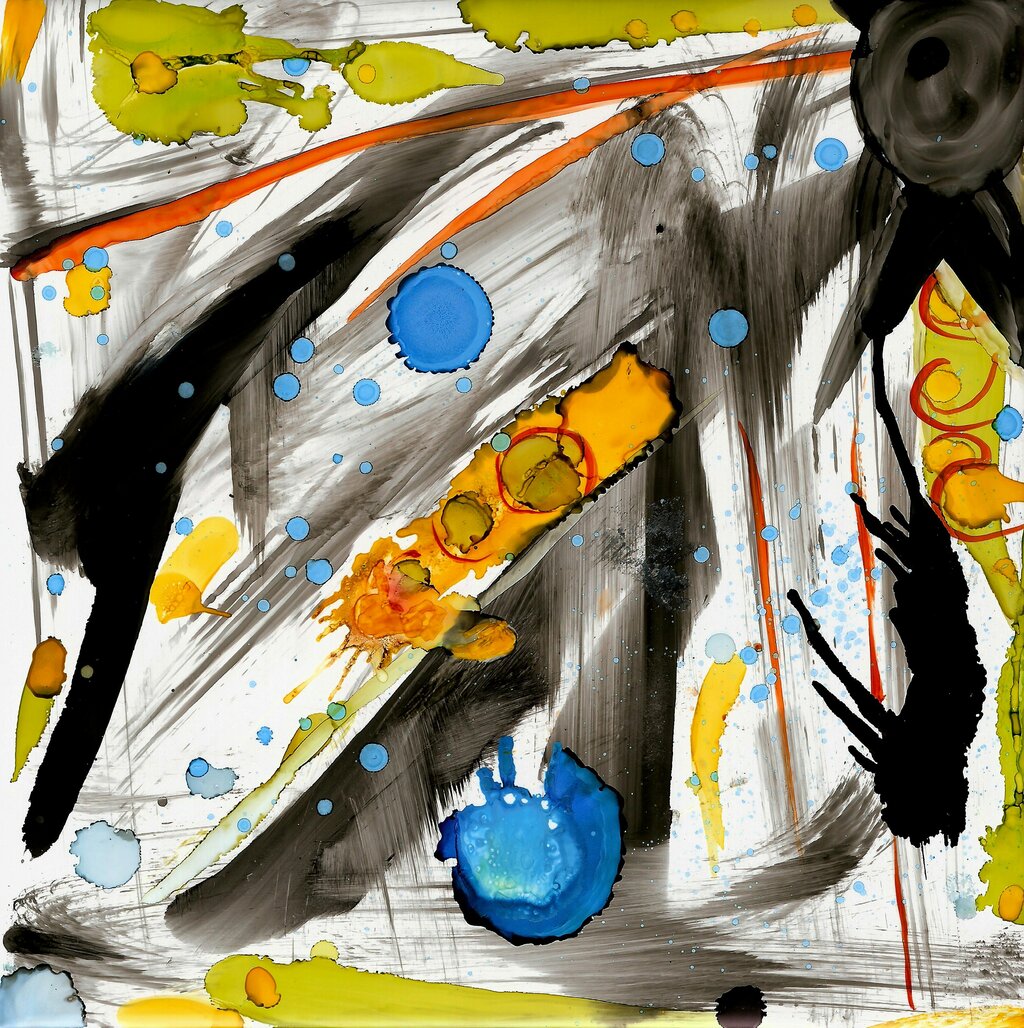
technique. He would lay enormous canvases on the floor of his studio and walk around them, pouring, dripping, and flinging paint from cans and sticks. It looked chaotic, but Pollock was in complete control, using the motion of his entire body to create complex webs of color and line. His work is all about energy, movement, and the artist's physical presence.
Mark Rothko took a completely different path. His work is quiet, contemplative, and deeply emotional. He created what are known as
color field painting
noun
A style of abstract painting characterized by large, flat areas of solid color spread across the canvas, intended to produce a meditative or emotional response.
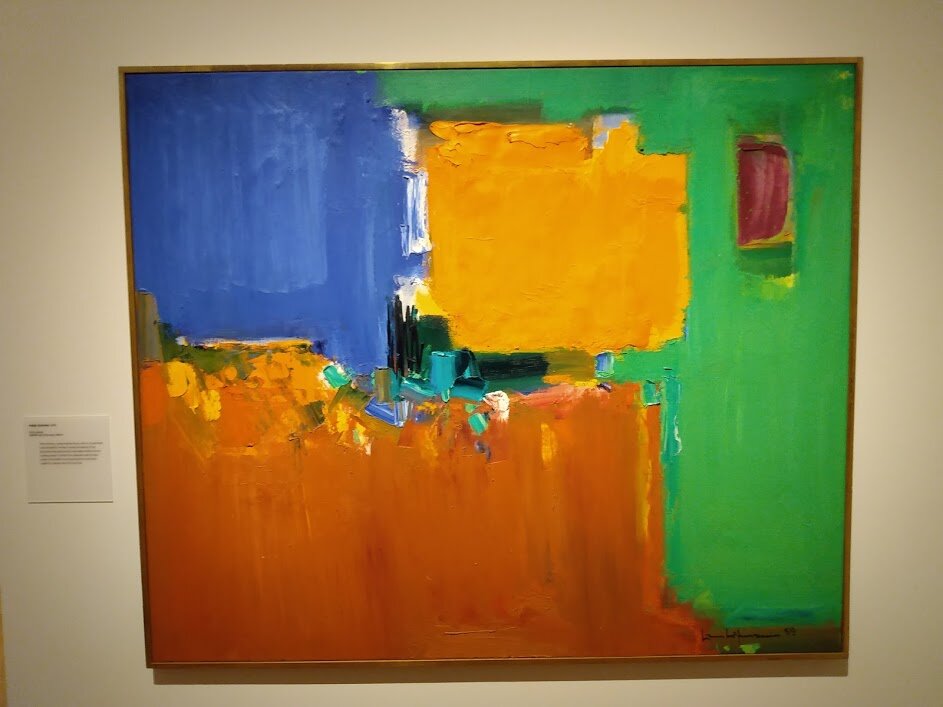
. These paintings feature large, hazy rectangles of pure color that seem to float on the canvas. Rothko wanted viewers to stand close to his work, to be enveloped by the color and experience a profound, almost spiritual, reaction. The paintings weren't about anything; they were meant to be an experience.
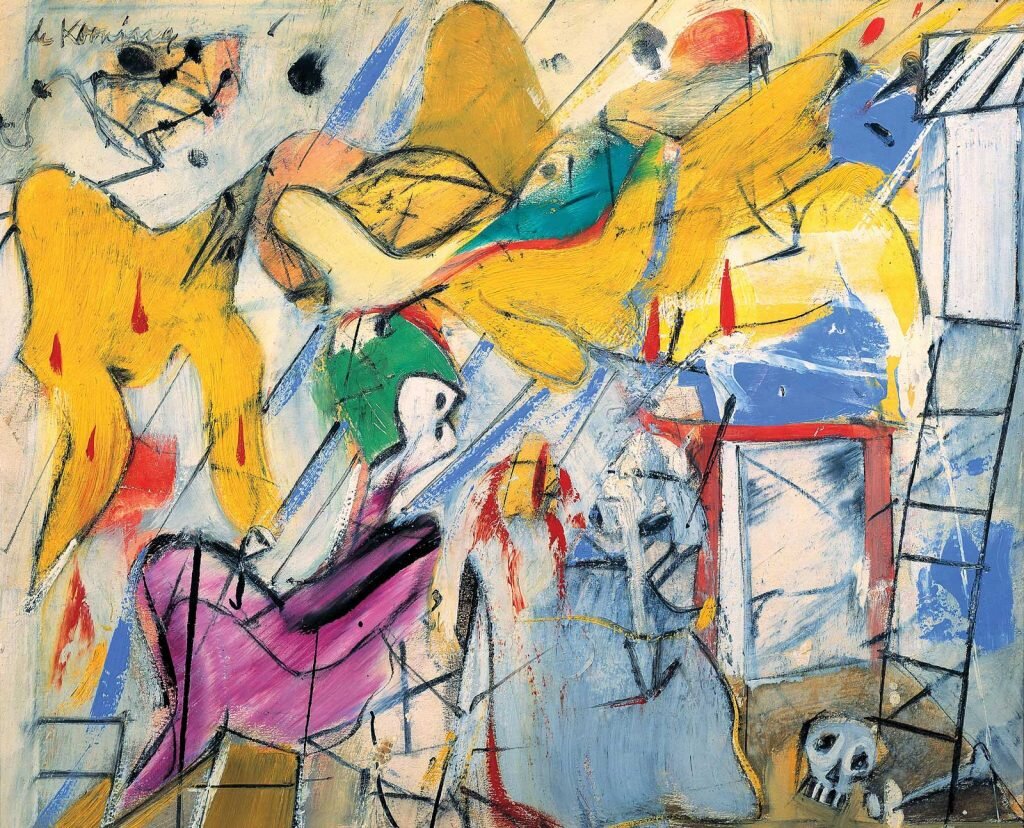
Willem de Kooning blended these two extremes. His work is full of aggressive, energetic brushwork like Pollock's, but he often included recognizable figures, especially women. However, his figures were violently distorted and fragmented, melting into the abstract background. De Kooning’s paintings show a fierce struggle between abstraction and representation, creating a sense of raw, untamed emotion.
A Lasting Impact
Abstract Expressionism was the first American art movement to achieve worldwide influence. It cemented the idea that a painting didn't have to be a window onto the world. It could be a record of an event—the event being the act of its own creation. This focus on individual expression and emotional intensity changed the course of art history, paving the way for countless other movements.
Abstract Expressionists emphasized the act of creation itself, often using bold gestures and unconventional techniques.
Time to review the key figures and ideas from this revolutionary movement.
Let's see what you remember about the artists who changed American art.
After World War II, the center of the international art world shifted from Paris to what city?
Which artist is famous for his "drip" technique, where he would pour and fling paint onto enormous canvases laid on the floor?
By prioritizing the artist's inner world, the Abstract Expressionists opened up a new universe of possibilities for what art could be.