Contemplative Prayer Explained
Introduction to Contemplative Prayer
Beyond Words
Many of us learn to pray by talking to God. We ask for things, give thanks, or say sorry. This is a vital part of spiritual life, but it's not the only way to connect. There is another form of prayer that doesn't rely on words, thoughts, or feelings at all. It’s called contemplative prayer.
Think of it like sitting in comfortable silence with a lifelong friend. You don't need to talk to feel close. The shared presence is enough. Contemplative prayer is like that, but with God. It is a silent, wordless resting in the divine presence, opening our whole selves to a deeper connection.
contemplation
noun
The act of looking thoughtfully at something for a long time; deep reflective thought.
This practice moves beyond our usual mental chatter. Instead of forming thoughts about God, we simply aim to be with God. It’s a prayer of the heart, not just the mind. We let go of our own ideas and emotions to create a quiet, interior space where we can experience the divine directly.
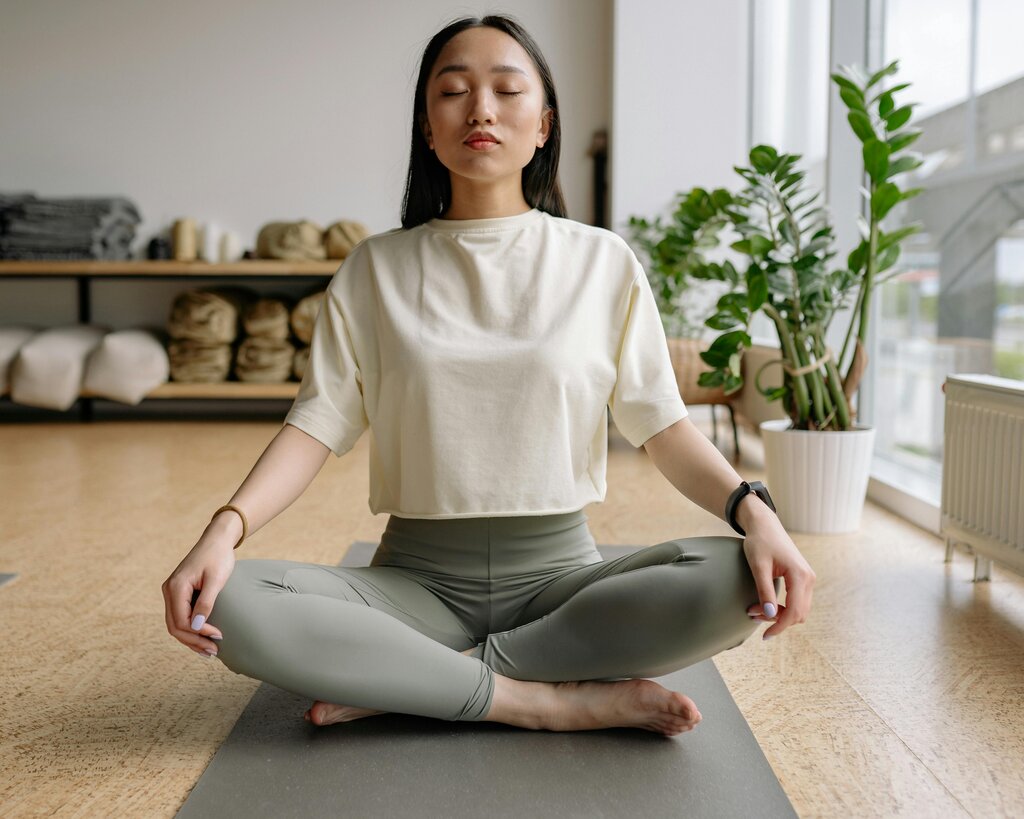
The Goal Is Presence
The purpose of contemplative prayer isn't to achieve a special state of mind, have a mystical vision, or even to feel peaceful. While peace can be a byproduct, it’s not the goal. The true aim is much simpler: to consent to God's presence and action in our lives.
It is a prayer of surrender. We set aside our own agenda and simply rest in the awareness that God is with us.
By regularly entering this silent space, we cultivate a deeper, more intimate relationship with the divine. This isn't about escaping the world, but about transforming how we live in it. The stillness and awareness we find in prayer can begin to carry over into our daily activities, making us more present and compassionate.
Different Ways to Pray
To understand what contemplative prayer is, it helps to see what it isn't. Most common forms of prayer are active. We are doing something: speaking, thinking, or reflecting.
| Prayer Type | Primary Focus | Core Activity |
|---|---|---|
| Vocal Prayer | Spoken or written words | Talking, asking, reciting |
| Meditative Prayer | Thoughts and ideas | Reflecting, analyzing scripture |
| Contemplative Prayer | God's presence | Being, resting, listening |
Vocal and meditative prayers are like having a conversation. We bring our thoughts, needs, and reflections to God. Contemplative prayer is what can happen after the conversation quiets down. It’s a prayer of simple awareness and love, a receptive posture of waiting on God in the silence of our hearts.
What is the core characteristic of contemplative prayer?
The provided text compares contemplative prayer to which of the following experiences?
This form of prayer is a way to deepen our spiritual roots beyond the busy surface of our minds.