Container Manufacturing Fundamentals
Introduction to Containers
The Unsung Heroes of Modern Life
Look around you. How many containers can you spot? The bottle of water on your desk, the can of soda in the fridge, the box your phone came in—these are all containers. At its simplest, a container is anything that holds or transports goods. From the tiny packet of ketchup with your samosa to the massive shipping containers that cross oceans, they are the backbone of commerce and daily life.
Their main purpose is to protect, store, and transport products efficiently. Without them, the global economy would grind to a halt. Imagine trying to ship millions of individual bananas from Ecuador to India without a box. It would be a messy, inefficient disaster. Containers solve this problem by bundling items into manageable, standardized units.
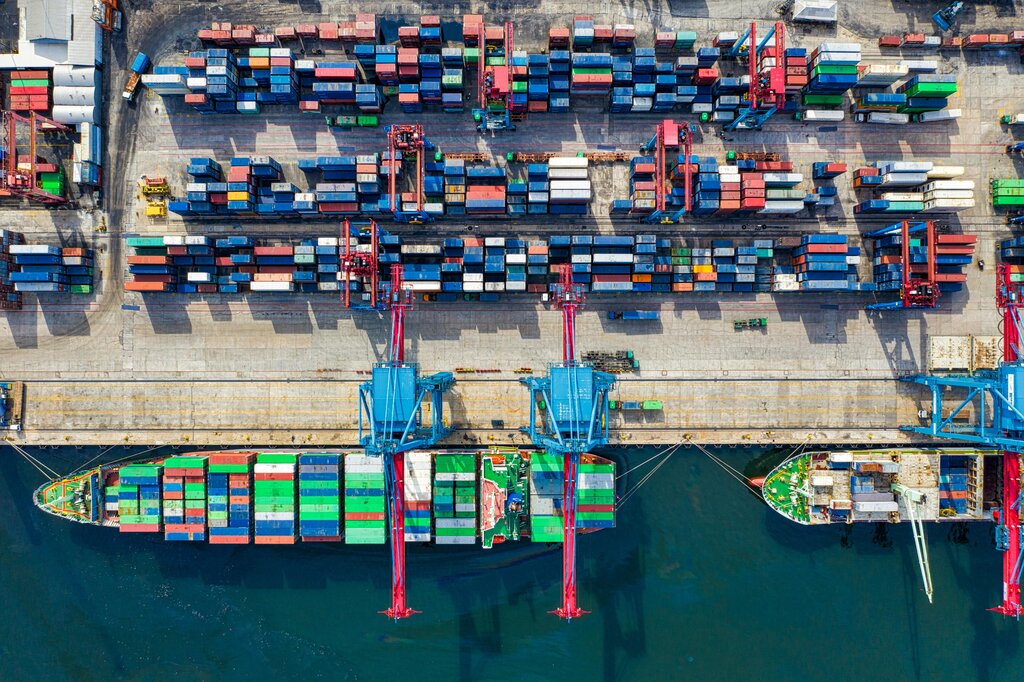
The core idea is simple: put goods in a box. This simple idea, however, completely changed the world.
A Brief History of the Box
For centuries, loading and unloading ships was a slow, labour-intensive process. Goods were packed in sacks, barrels, and crates of all shapes and sizes. Dockworkers, known as longshoremen, had to handle each item individually. This method, called break-bulk shipping, was slow and expensive.
Everything changed in the 1950s with the invention of the modern shipping container by an American trucking entrepreneur named Malcom McLean. He realised that instead of unloading a truck's cargo and then reloading it onto a ship piece by piece, you could just lift the entire truck trailer onto the ship. This evolved into the idea of a standardized, stackable metal box—the intermodal container.
This inefficiency led to the development of containerization, a system in which goods are packed into standardized containers that can be easily loaded onto ships, trains, and trucks.
Containerisation
noun
The system of freight transport using standard-sized intermodal containers. These containers can be loaded and unloaded, stacked, transported efficiently over long distances, and transferred from one mode of transport to another—container ships, rail, and semi-trailer trucks—without being opened.
McLean's innovation sparked a revolution. The cost of loading a tonne of cargo dropped from over $5 to just a few cents. Ports became more efficient, shipping times decreased, and global trade exploded.
Types and Uses
While the massive shipping container might be the most iconic example, containers come in an endless variety of forms, each designed for a specific purpose. They are used across nearly every industry, from food and beverage to pharmaceuticals and electronics.
| Container Type | Material(s) | Primary Industry | Common Use |
|---|---|---|---|
| Shipping Container | Steel, Aluminium | Logistics, Trade | Transporting goods globally |
| Beverage Can | Aluminium | Food & Beverage | Holding carbonated drinks, juices |
| Plastic Bottle | PET, HDPE | Consumer Goods | Water, milk, cleaning supplies |
| Glass Jar | Glass | Food & Beverage | Jams, pickles, sauces |
| Cardboard Box | Paperboard | E-commerce, Retail | Packaging products for sale and shipping |
The material, shape, and design of a container depend entirely on what it's meant to hold. A can for a fizzy drink needs to withstand internal pressure, while a box for a television needs to protect a fragile screen from impact. Each container is a small feat of engineering tailored to its specific application.
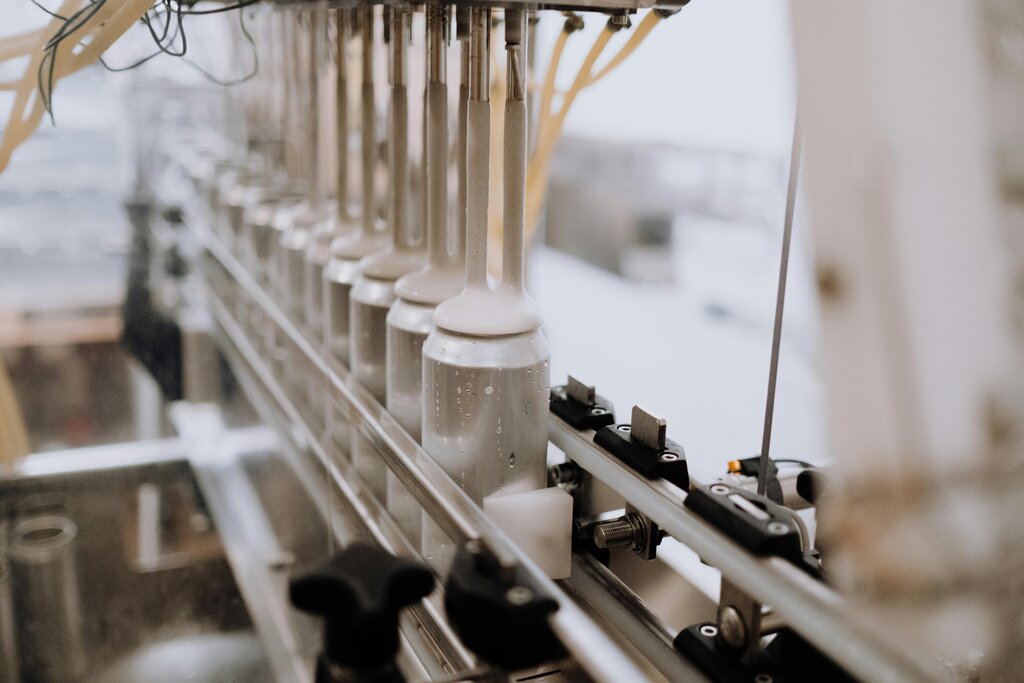
Understanding these basic types and their roles is the first step in appreciating the complex world of container manufacturing. The processes for making a simple aluminium can and a massive steel shipping container are vastly different, yet they share the same fundamental purpose: to hold, protect, and move the goods that power our world.
Ready to test your knowledge? Let's see what you've learned about the basics of containers.
What is the primary purpose of a container in commerce?
The slow, labour-intensive method of loading individual goods in sacks and barrels before the 1950s was known as ________ shipping.
Containers are a fundamental part of our modern infrastructure, quietly making global trade and convenience possible.