Consumer Venture Capital Explained
Introduction to Venture Capital
What is Venture Capital?
Venture capital, or VC, is a form of financing that investors provide to startups and small businesses with high growth potential. Think of it as fuel for a rocket ship. A new company might have a groundbreaking idea, but it needs money to build the product, hire a team, and reach customers. That's where venture capitalists come in.
Venture capital refers to financing given by well-off investors or investment banks to startups and small businesses that the investors believe have big growth potential.
VCs don't just write a check and walk away. They are professional investors who manage a pool of money, called a fund, on behalf of others. In exchange for their investment, they take an ownership stake in the company, known as equity. This means if the startup succeeds and becomes valuable, the VC firm's stake also becomes more valuable. They are betting on the company's future success.
equity
noun
Ownership of assets that may have debts or other liabilities attached to them. In the context of a company, it represents the shareholders' stake.
The Startup Journey
A company doesn't go from a simple idea to a global brand overnight. It follows a path with distinct stages, each with its own goals and funding needs. This journey is often called the startup lifecycle.
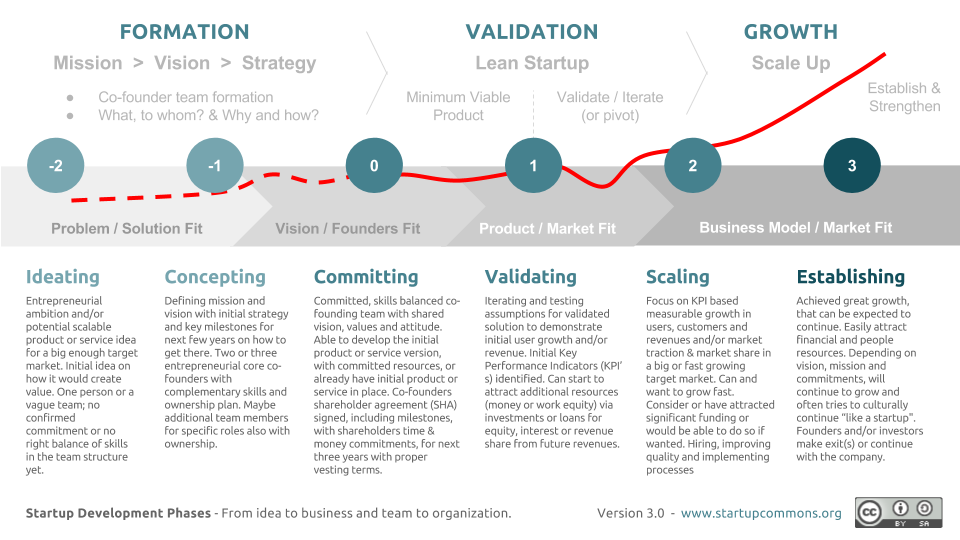
The first stage is Formation. This is where the idea is born. The founders are brainstorming, doing initial research, and figuring out what problem they want to solve. Funding at this point is usually very small, often coming from the founders' own savings, or from friends and family. This is sometimes called "pre-seed" funding.
Next comes Validation. The goal here is to prove the idea is viable. The team builds a basic version of the product, called a Minimum Viable Product (MVP), to test with real users. They're looking for what's known as "product-market fit"—evidence that people actually want what they're building. This is often when startups seek their first significant outside investment, known as a "seed" round, to fund this initial development and testing.
Finally, there's the Growth stage. Once a startup has validated its product and has a growing base of happy customers, it's time to scale. This means hiring more people, expanding into new markets, and investing heavily in marketing and sales. This stage requires significant capital, which is raised through a series of funding rounds (like Series A, B, and C) from VC firms.
How VCs Shape Our World
Venture capital does more than just fund businesses; it shapes the world around us. The decisions VCs make about which companies to fund directly influence the products and technologies that become available to consumers.
VC funding allows for rapid product development. With a significant injection of cash, a startup can hire top engineers, designers, and researchers to build and improve its product much faster than it could otherwise. VCs also provide valuable expertise and connections, helping founders navigate challenges and make strategic decisions. This mentorship can be just as important as the money itself.
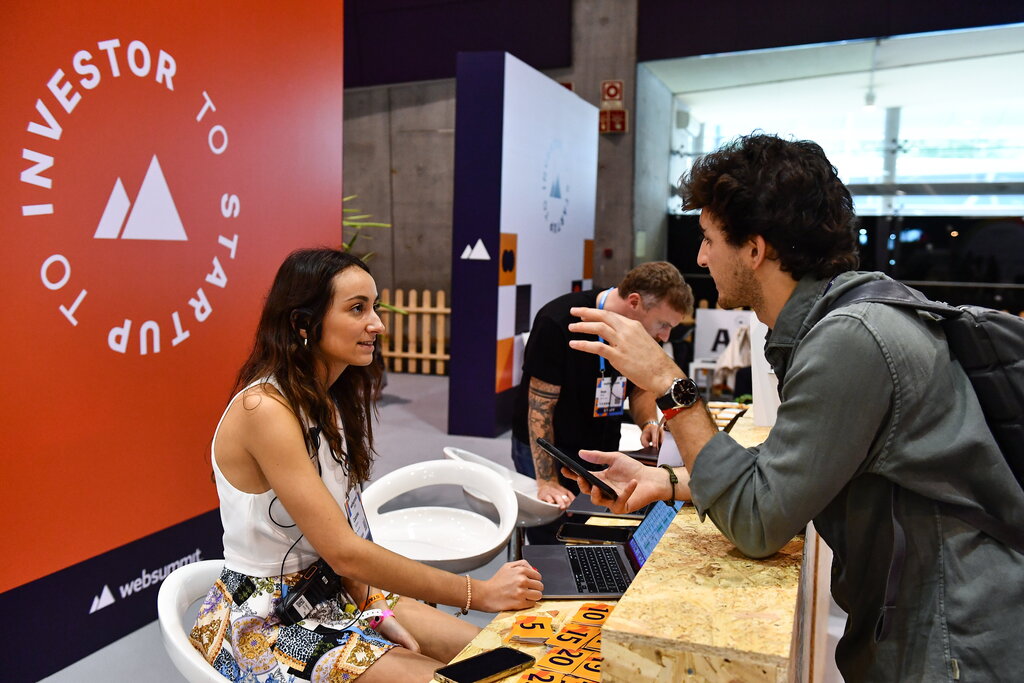
Because VCs are looking for massive returns, they tend to invest in companies that are tackling huge markets or creating entirely new ones. They are looking for businesses that could be worth billions of dollars one day. This focus on high-growth potential means that many of the apps on your phone, the software you use at work, and the online services you rely on were likely funded by venture capital.
The result is a market filled with innovative, ambitious products. However, it also means that smaller, less scalable, or non-disruptive business ideas often have a harder time securing this type of funding.
Let's review the key concepts we've covered.
Now, check your understanding with a few questions.
What is the primary form of return that venture capitalists seek from their investments in startups?
During the 'Validation' stage of a startup's life, the main goal is to find evidence of ______, often by building a Minimum Viable Product (MVP).
Understanding venture capital provides a window into how new technologies are developed and brought to market. It's the financial engine behind many of the innovations that define modern life.