Consumer Startup Lifecycle
Ideation
Finding the Spark
Every great business starts with an idea, but the best ideas don't appear out of thin air. They usually start by solving a problem. In the startup world, these problems are often called “pain points.” A pain point is a specific, recurring frustration experienced by a group of people. It’s the nagging issue they wish someone would fix.
Think of it like an annoying pebble in your shoe. You might ignore it for a while, but eventually, you'd pay for a tool that could instantly remove it. Your startup idea can be that tool. Identifying these “pebbles” is the first step. Are people frustrated with how long it takes to get groceries? Is it too complicated to find a reliable pet sitter? These are pain points, and they are fertile ground for new business ideas.
Focusing on a real, significant problem gives your idea a built-in purpose and a potential customer base from day one.

From Problem to Solution
Once you've identified a pain point, the next step is to brainstorm potential solutions. The goal here is quantity over quality. You want to generate as many ideas as possible without judging them. This creative exploration can unlock innovative approaches you might not have considered initially.
Several techniques can help get the ideas flowing:
- Mind Mapping: Start with the central problem and branch out with related ideas, words, and concepts. It's a visual way to explore connections.
- SCAMPER: This is an acronym that prompts you to think about an existing idea in new ways. Ask yourself: Can I Substitute something? Combine it with something else? Adapt it? Modify it? Put it to another use? Eliminate a feature? Reverse or rearrange it?
- Reverse Brainstorming: Instead of asking, “How can I solve this problem?” ask, “How could I cause this problem?” or “How could I make this problem worse?” Understanding the root causes can reveal unique solutions.
Brainstorming is a creative way to come up with a brand name.
Is the Idea Viable?
After generating a list of potential solutions, it's time to sift through them. A feasibility assessment helps you determine which ideas have real potential. It’s a reality check that asks practical questions. Can we actually build this with our resources and skills? Is there a market for it? Can it be profitable?
Two powerful frameworks can guide this evaluation: Design Thinking and SWOT analysis. They help you look at your idea from different perspectives, ensuring it's not just creative but also grounded in user needs and business realities.
A feasibility analysis can help you identify potential risks and obstacles in your startup, allowing you to address them proactively and improve your chances of success.
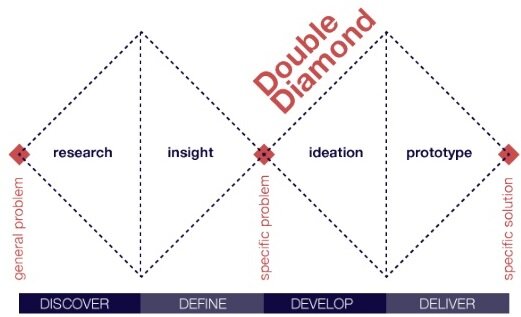
Design Thinking is a process that puts the human user at the center of everything. The first steps are all about understanding the people you're trying to help. You empathize with their experience to understand their needs deeply. Then, you define their core problem in a clear, actionable way. Only then do you ideate or brainstorm solutions specifically tailored to that well-defined problem. This ensures you're not just building something cool; you're building something people actually want and need.
A SWOT analysis provides a different lens. It’s a simple grid that helps you evaluate your idea's Strengths, Weaknesses, Opportunities, and Threats. Strengths and weaknesses are internal factors related to your business idea itself, while opportunities and threats are external factors in the market.
| Favorable Factors | Unfavorable Factors | |
|---|---|---|
| Internal | Strengths (e.g., Unique recipe, experienced founder) | Weaknesses (e.g., High ingredient costs, no brand recognition) |
| External | Opportunities (e.g., Growing demand for healthy food, local farm partnerships) | Threats (e.g., Many competitors, changing food regulations) |
Using this grid forces you to think critically about your idea's position in the market. A strong idea will have clear strengths that capitalize on market opportunities, with a plan to mitigate its weaknesses and navigate potential threats.
Time to check what you've learned.
In the context of developing a startup idea, what is a “pain point”?
Which brainstorming technique prompts you to look at an idea from different angles by asking questions like “Can I Substitute something?” or “Can I Adapt it?”
Let's review the key terms from this section.
Ideation isn't about finding one perfect idea instantly. It's a thoughtful process of identifying a real need, exploring creative solutions, and honestly assessing their potential for success.