Consumer Startup Essentials
Introduction to Consumer Startups
Building for People
A consumer startup builds products or services for individuals. Think about the apps on your phone or the websites you use daily. Instagram, Airbnb, Spotify, and DoorDash are all classic examples. Their goal is to solve a problem or fulfill a desire for ordinary people, not for other businesses.
These companies create products for you—for your daily life, your hobbies, and your needs.
This direct-to-people approach is what separates them from enterprise startups, which sell to other companies. An enterprise company might build software for managing a hospital's patient records or a factory's supply chain. The customers are organizations, not individuals. This distinction changes everything, from how a product is sold to how it's designed.
| Feature | Consumer Startup (B2C) | Enterprise Startup (B2B) |
|---|---|---|
| Target Audience | Individual people | Other businesses or organizations |
| Sales Cycle | Short; often immediate | Long; can take months or years |
| Purchase Decision | Emotional, impulsive, brand-driven | Logical, budget-driven, committee-based |
| Market Size | Potentially huge user base | Smaller, more focused customer base |
| Brand & Marketing | Critical for building trust and desire | Focuses on ROI and efficiency |
For consumer startups, building a strong brand and an emotional connection is non-negotiable. You can't just have a product that works; it has to be a product people want to use and talk about. This is where understanding human behavior becomes a superpower.
The Quest for Product-Market Fit
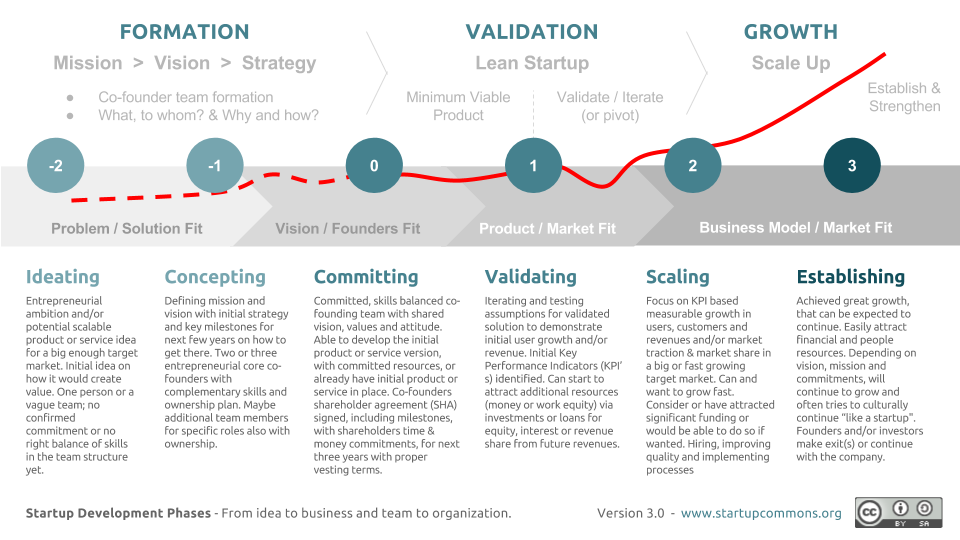
Every founder dreams of one thing: product-market fit. This isn't just about having a cool idea or a well-built app. It’s the magical moment when you’ve built something that a specific group of people desperately needs. It’s the feeling of the market pulling the product out of your hands, rather than you pushing it onto the market.
If you're running a startup, it's important to understand your customers' needs to build a product that fits the market.
Before achieving product-market fit, a startup is burning money trying to find customers. After, the challenge shifts to keeping up with demand. It’s the single most important milestone for any early-stage company because it proves your core assumption: you've found a real problem for a real audience and built the right solution for it.
Innovation and the Ecosystem
Consumer startups often succeed through innovation. This doesn't always mean inventing a brand-new technology. Sometimes, innovation is about a better design, a simpler user experience, or a clever business model that makes an existing service more accessible or affordable.
Startups don't build in a vacuum. They operate within a startup ecosystem, which is a network of people and organizations that support new ventures. This includes:
Investors: Individuals (angel investors) or firms (venture capitalists) who provide funding in exchange for ownership. Incubators & Accelerators: Programs that offer mentorship, resources, and funding to help startups grow quickly. Mentors & Advisors: Experienced entrepreneurs who provide guidance. Community: Other founders who share knowledge and support.
This ecosystem provides the fuel—both financial and intellectual—that helps founders turn a promising idea into a sustainable business.
What is the primary focus of a consumer startup?
A company that develops a sophisticated system for managing a large hospital's patient records is best classified as an enterprise startup.
Understanding these core concepts is the first step. Consumer startups are all about solving problems for people in new and innovative ways, backed by a community dedicated to helping them succeed.