Consumer Packaged Goods Explained
Introduction to CPG
What Are CPGs?
Take a look inside your pantry, fridge, or bathroom cabinet. The items you see—soda, cereal, toothpaste, shampoo, cleaning supplies—are likely Consumer Packaged Goods, or CPGs. These are the products that average consumers use up and replace on a regular basis.
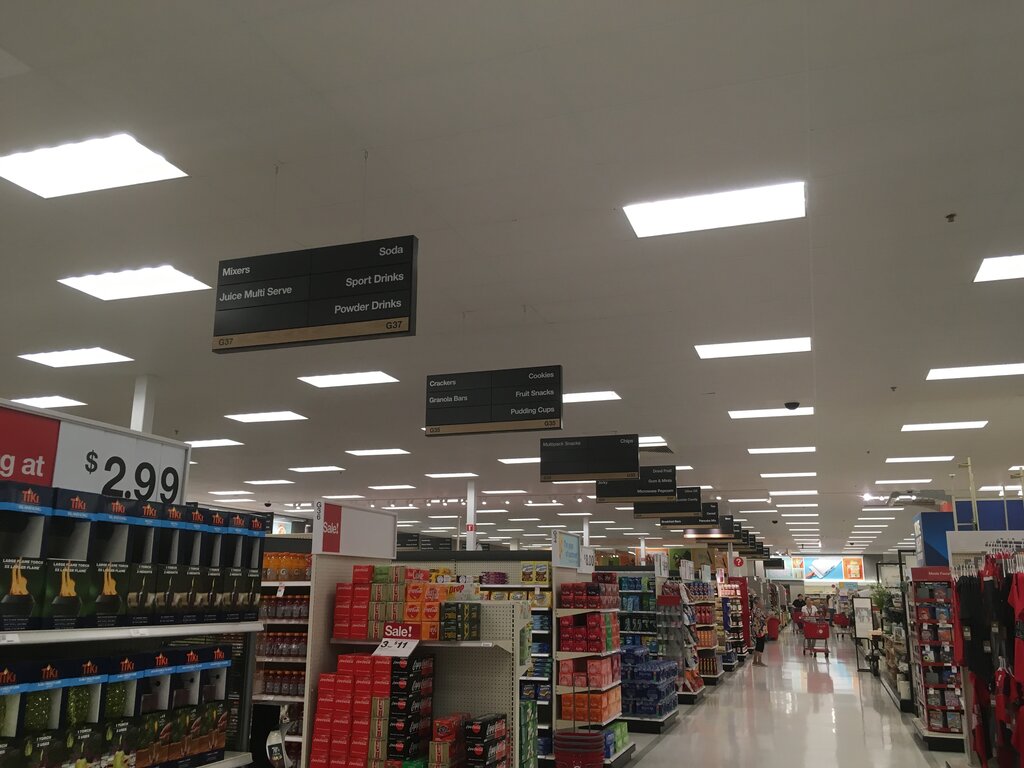
CPGs are the backbone of the retail world. They're the everyday essentials that we buy without much thought, often during our weekly grocery run. The industry is defined by products sold quickly and at a relatively low cost. Think of things you buy, use, and then buy again.
Key Characteristics
What makes a CPG different from, say, a car or a couch? It comes down to a few key traits.
CPGs are characterized by high sales volume, low unit cost, and rapid consumption. They are designed for the mass market and are widely available through extensive distribution networks.
Because consumers purchase these items frequently, competition is fierce. Brands fight for shelf space in stores and for a spot in a consumer's routine. This leads to heavy investment in branding, marketing, and packaging to stand out from the crowd.
| Characteristic | Description |
|---|---|
| High Turnover | Products are bought, used, and replaced frequently. |
| Low Cost | The price per item is relatively inexpensive for consumers. |
| Mass Production | Goods are produced on a massive scale to meet constant demand. |
| Wide Distribution | Available in a variety of stores, from large supermarkets to small convenience shops. |
Economic Significance
The CPG sector is a massive and vital part of the global economy. Its sheer scale means it's a major driver of retail sales, manufacturing output, and employment. When you hear reports about consumer spending, CPG sales are a huge component of that data.
The health of the CPG industry can act as a barometer for the broader economy. Changes in consumer buying habits—like switching to store brands during a recession or buying more premium products during good times—provide valuable insights into economic trends.
The Industry Giants
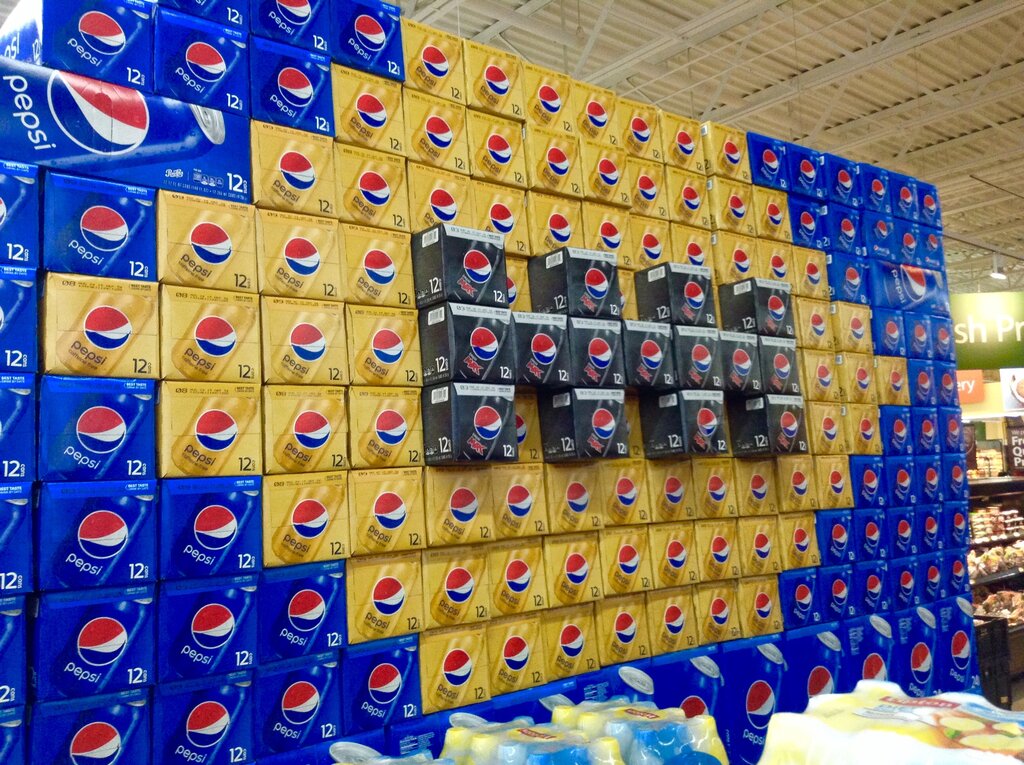
While supermarket shelves seem to offer endless choice, many of the brands you see are owned by a small number of global corporations. Companies like Procter & Gamble, Nestlé, Unilever, and Coca-Cola are titans of the industry, managing vast portfolios of well-known household names.
This structure creates an intensely competitive landscape. These giants compete with each other for market share, but they also face pressure from smaller, niche brands and private-label products (store brands) that offer lower-priced alternatives.
Understanding this dynamic is key to understanding the CPG market. It's a constant battle for consumer loyalty, driven by massive marketing budgets, continuous product innovation, and complex supply chains designed to keep shelves stocked around the world.
Which of the following best describes a key characteristic of a Consumer Packaged Good (CPG)?
Why is the CPG industry considered an important economic barometer?
In short, CPGs are the fast-moving, high-volume products that fill our homes and fuel a significant portion of our economy. They are the everyday items that, while seemingly simple, are part of a complex and highly competitive global industry.