Consumer Behavior Essentials
Introduction to Consumer Behavior
What Is Consumer Behavior?
Consumer behavior is the story of why people buy and use things. It’s a field that looks at how individuals, groups, and organizations choose, purchase, use, and dispose of goods, services, ideas, or experiences to satisfy their needs and wants.
Think about the last thing you bought. Was it a cup of coffee? A new pair of shoes? A subscription to a streaming service? Whatever it was, a whole series of thoughts and actions led you to that decision. Consumer behavior explores that entire process, from the first spark of a need to what you do with the product after you've used it.
It’s not just about the final purchase. It’s about the entire consumption journey: the search for information, the evaluation of different brands, the feeling you have after the purchase, and even how you get rid of the packaging.
The Consumer's Journey
Most buying decisions follow a predictable path, often called the consumer decision-making process. While a small purchase like a snack might happen in seconds, the underlying steps are still there. For bigger decisions, like buying a car or choosing a college, these stages become much more deliberate.
Let's walk through this with an example: buying a new laptop.
- Problem Recognition: You realize your current laptop is too slow for your work, or maybe the battery doesn't last long enough. You have a problem that needs a solution.
- Information Search: You start looking for options. You might ask tech-savvy friends for recommendations, read online reviews on tech websites, or watch video comparisons.
- Evaluation of Alternatives: You've narrowed it down to a few models. Now you compare them based on what matters to you: price, performance, screen size, brand reputation, and battery life.
- Purchase Decision: You make your choice. You decide which laptop to buy and where to buy it from, whether it's an online store or a physical retailer.
- Post-Purchase Behavior: After using the new laptop, you'll have an opinion. Are you satisfied? You might recommend it to others or write a positive review. If you're disappointed, you might experience "buyer's remorse" or return the product.
Why It Matters for Business
Understanding this journey is crucial for any business. It's not enough to simply have a good product; you need to understand the 'why' behind your customers' choices. This knowledge directly shapes a company's strategy.
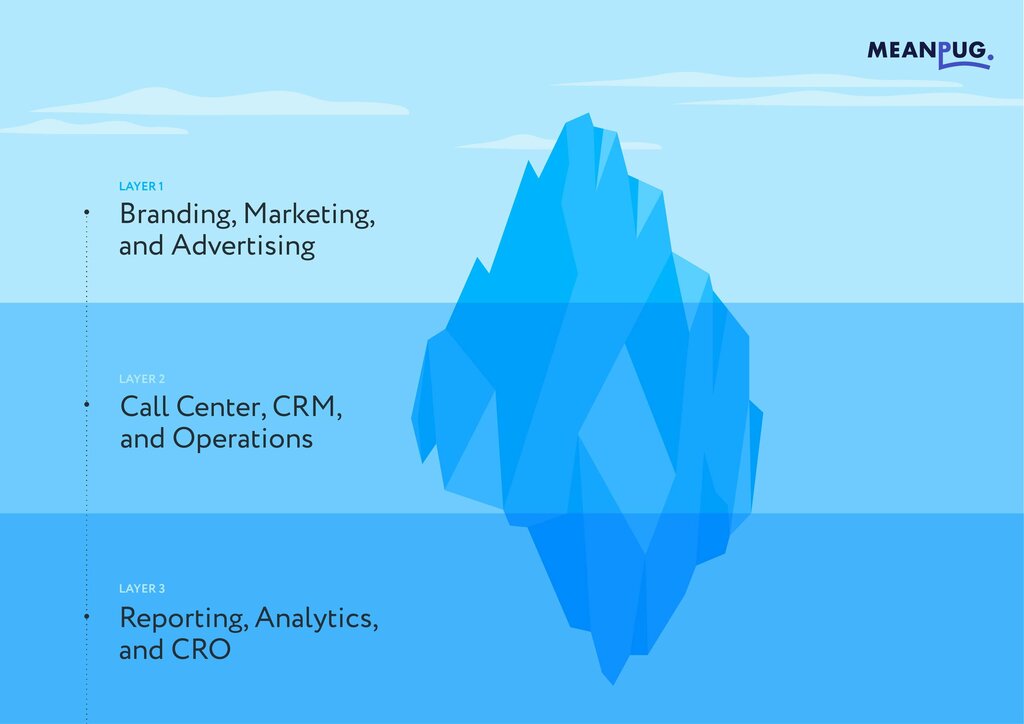
Insights into consumer behavior help businesses:
-
Develop Better Products: By understanding what customers truly need, companies can design products and services that solve real problems. If research shows customers value portability, a company might focus on making a lighter laptop.
-
Create Effective Marketing: Knowing what influences your customers helps you craft the right message. If your target audience relies on expert reviews, you'd focus on getting your product reviewed by trusted sources. If they are price-sensitive, you might lead with a promotion.
-
Improve Customer Engagement: Understanding the post-purchase experience is key to building loyalty. A company might follow up with helpful setup tips or ask for feedback, turning a one-time buyer into a long-term fan.
Understanding buyer behavior and psychographic boundaries helps marketers better meet consumer demand and increase their profitability.
Ultimately, studying consumer behavior allows businesses to connect with people on a more human level, offering the right solutions at the right time in the right way.
Which of the following best defines consumer behavior?
You are comparing three different smartphone models based on their camera quality, battery life, and price. Which stage of the consumer decision-making process are you in?
By grasping these core ideas, you can start to see the hidden forces that guide our decisions in the marketplace every day.