Consumer Behavior and Market Research Mastery
Consumer Behavior Basics
The Buyer's Journey
Every purchase, from a pack of gum to a new car, follows a surprisingly similar path. Marketers call this the buyer decision process. It's a five-stage journey that consumers travel, sometimes in a few seconds and other times over several months.
1. Need Recognition: It all starts with a problem or a need. Maybe your old phone's battery dies too quickly, or you see an ad for a vacation and suddenly feel the need for a getaway. This is the trigger.
2. Information Search: Once you recognize the need, you start looking for solutions. You might search online, ask friends for recommendations, or read customer reviews. The goal is to gather information about your options.
3. Evaluation of Alternatives: With information in hand, you begin to weigh your choices. You compare features, prices, and brand reputations. A $1,000 phone might have a better camera, but is it worth the extra $300 compared to a mid-range model?
4. Purchase Decision: After evaluating, you make your choice. This stage is more than just picking a product; it also includes deciding where and when to buy it. A surprise sale or a helpful salesperson can influence this final step.
5. Post-Purchase Behavior: The journey isn't over after you buy. You'll evaluate your decision. If the product exceeds your expectations, you're satisfied and might become a loyal customer. If it disappoints, you might experience "buyer's remorse" and return the item or leave a negative review. This final stage is crucial because it influences your future decisions and the recommendations you give to others.
The 'Why' and 'How' of Choosing
Beneath the surface of the decision-making process, powerful psychological forces are at work. Two of the most important are motivation and perception. They explain why we feel a need in the first place and how we interpret the world of products around us.
Motivation
noun
The driving force within individuals that impels them to action. It's the 'why' behind our behavior.
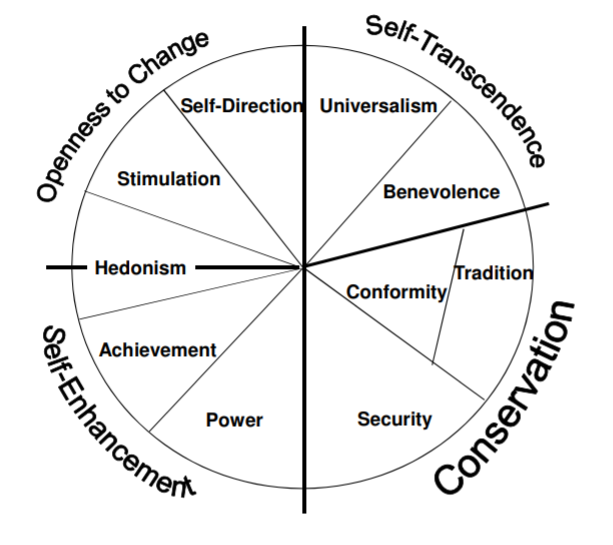
Motivation often stems from a gap between our current state and our desired state. You buy food when you're hungry, a warm coat when you're cold, and a movie ticket when you're bored. These are basic needs. But motivation also drives us toward more complex goals, like buying a luxury watch to signal success or choosing an eco-friendly brand to align with our personal values.
Perception is how we select, organize, and interpret information to create a meaningful picture of the world. It’s a filter. Two people can see the exact same advertisement but have completely different reactions because their perceptions are unique.
Think about it: we're exposed to thousands of marketing messages every day. We can't possibly pay attention to all of them. Our brains use shortcuts:
- Selective Attention: We tend to notice things that relate to a current need. If you're thinking about buying a new car, you'll suddenly start seeing car ads everywhere.
- Selective Distortion: We interpret information in a way that fits our existing beliefs. If you believe a certain brand is the best, you'll likely view its ads more favorably than a competitor's.
- Selective Retention: We remember information that supports our attitudes and beliefs. You'll remember the good points about a product you like and forget the good points about one you don't.
Marketers don't just sell a product. They sell an idea, a feeling, or a solution that they hope will cut through the noise and align with a consumer's perception of the world.
The Influence of Others
We are not islands. Our decisions are profoundly shaped by the people and culture surrounding us. These external factors provide a framework for how we live, what we value, and, ultimately, what we buy.
Culture is the most fundamental influence. It's the set of basic values, perceptions, and behaviors that a person learns from their family and society. Culture dictates what's considered normal, from the food we eat to the clothes we wear. For example, a marketing campaign that is successful in one country might fail completely in another if it doesn't respect cultural norms.
Understand the market dynamics, language, cultural aspects, and purchasing habits of the target market.
Within a broader culture, we're also influenced by smaller social groups:
-
Family: This is the most important consumer buying organization in society. Your habits around spending, saving, and brand preferences were likely shaped by your family from a young age.
-
Reference Groups: These are groups we look to for guidance, like friends, coworkers, or even online influencers. A recommendation from a trusted friend often carries more weight than a flashy advertisement.
-
Social Roles and Status: Each person plays different roles in life—employee, parent, friend. Each role carries a certain status, and people often choose products that reflect their role and status in society. A corporate executive might buy suits to fit her professional role, while a musician might buy stage equipment for his.
Understanding these psychological and social layers is key. They provide the context for every choice a consumer makes, turning a simple purchase into a reflection of who they are and what they care about.