Consumer AI Explained
Introduction to Consumer AI
What Is Consumer AI?
Artificial intelligence isn't just for scientists and giant corporations. When AI is designed for everyday people to use in their daily lives, it's called consumer AI. Think of the smart features baked into your phone, your favorite apps, and the websites you visit. That's consumer AI at work.
It’s the technology that helps you find the fastest route to work, suggests a new song you might love, or answers a question you ask your smart speaker. It’s built into products and services with the goal of making them more helpful, personal, and convenient for you, the consumer.
Essentially, consumer AI is the bridge between complex artificial intelligence systems and our everyday tasks and entertainment.
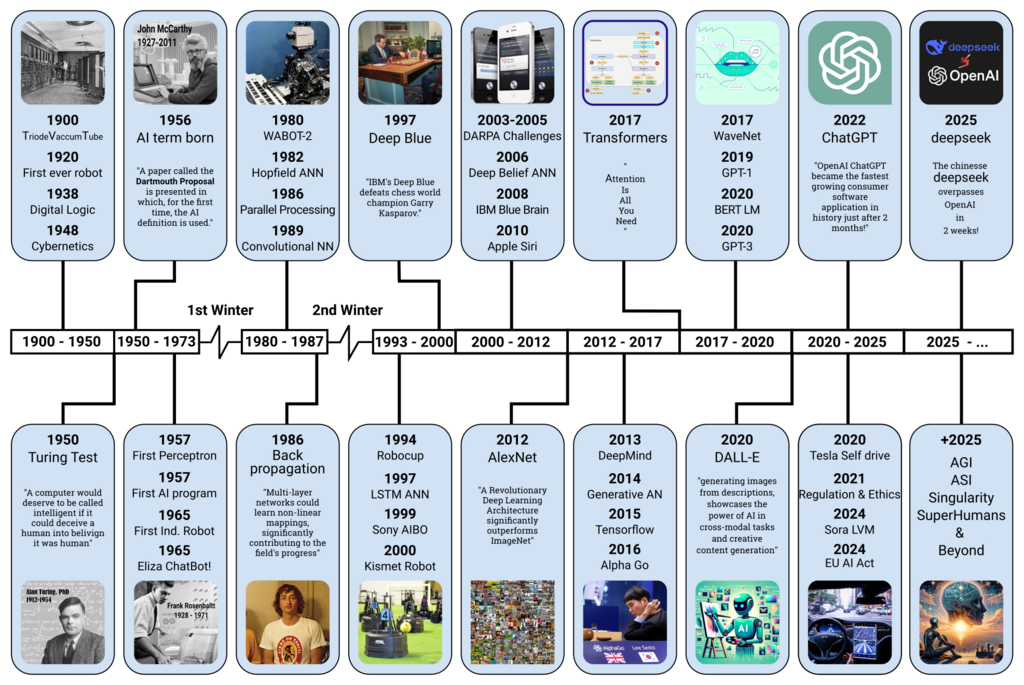
A Quick Look Back
Consumer AI didn't appear overnight. Its roots go back to simpler technologies. Early email spam filters were a basic form of AI, learning to identify and block junk messages based on certain words and patterns. The classic "Customers who bought this also bought..." feature on e-commerce sites was another early step, using simple data analysis to make recommendations.
Over time, as computers became more powerful and more data became available, consumer AI evolved. The leap from simple recommendations to complex personal assistants like Siri and Alexa was huge. These new tools could understand natural language and perform a wide range of tasks. Social media feeds also became more sophisticated, transforming from simple chronological lists into highly personalized streams of content curated just for you.
AI in Your Daily Life
You probably use consumer AI more often than you realize. It works behind the scenes in many of the tools you rely on every day. Here are a few of the most common applications.
Recommendation System
noun
An AI-powered feature that predicts what a user might like and presents it to them.
When Netflix suggests a movie or Spotify creates a personalized playlist for you, that's a recommendation system in action. These systems analyze your past behavior—what you've watched, listened to, or purchased—to predict what you'll enjoy next. They're designed to keep you engaged by constantly serving up fresh, relevant content.
Personal assistants like Amazon's Alexa and Apple's Siri use AI to understand spoken commands. They can set timers, play music, answer trivia questions, and even control smart home devices like lights and thermostats.
Customer service is another area where AI is common. Many companies now use AI-powered chatbots on their websites to provide instant support. These bots can answer frequently asked questions, help you track an order, or guide you to the right human agent if your problem is too complex for them to solve.
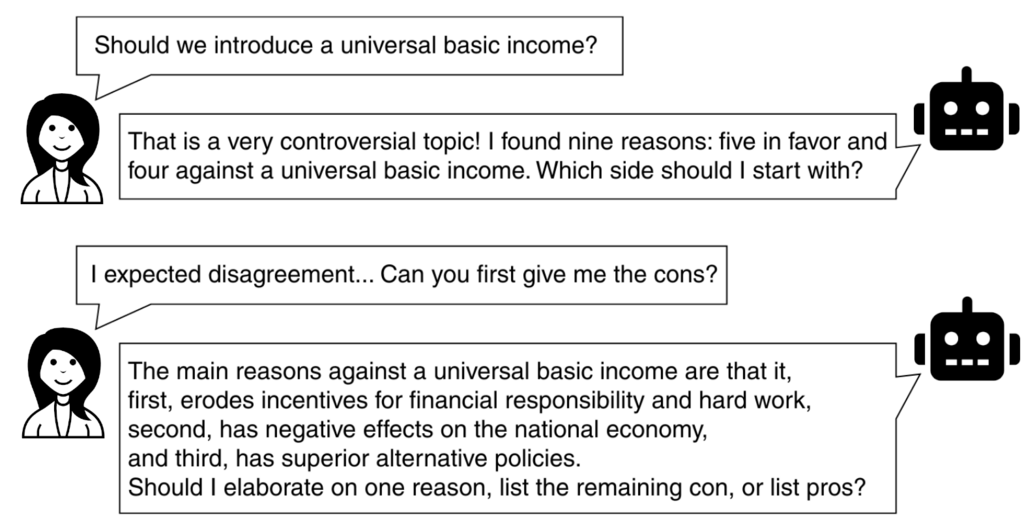
These examples highlight the main goal of consumer AI: to personalize our experiences and simplify tasks. By learning our preferences and habits, these technologies can anticipate our needs and offer helpful shortcuts, saving us time and effort.
Time for a quick check-in. Let's see what you've learned.
What is the primary goal of consumer AI?
Which of the following is an example of an early form of consumer AI?
Consumer AI is all about making technology more intuitive and responsive to our needs. It's the silent partner that helps organize, entertain, and inform us as we navigate our digital lives.