Construction Project Management Essentials
Introduction to Construction Project Management
The Blueprint for Building
Every building you see, from a towering skyscraper to your local coffee shop, started as an idea. But how does an idea become a physical structure? That's where construction project management comes in. It's the art and science of turning a vision into reality, on time and on budget.
Construction project management is the comprehensive coordination, planning, and oversight of a construction project from inception to completion.
The construction industry is massive, involving architects, engineers, contractors, and skilled laborers. It’s a complex dance of many moving parts. A construction project manager (CPM) is the choreographer, ensuring every step is planned, every performer knows their role, and the final production is a success.
The Project Manager's Role
A construction project manager is the central point of contact for a project. They are leaders, communicators, and problem-solvers who guide a project from start to finish. Their main job is to balance the project's constraints: scope (what's being built), time (the schedule), and cost (the budget).
Key responsibilities include:
- Planning: Creating a detailed roadmap for the entire project.
- Coordinating Resources: Managing people, materials, and equipment.
- Budgeting: Tracking all costs to prevent overspending.
- Communication: Keeping all stakeholders informed and aligned.
- Ensuring Quality and Safety: Making sure the work is done well and everyone stays safe.
Think of them as the captain of a ship. They don't build the ship themselves, but they are responsible for steering it through calm and stormy seas to its final destination.
The Project Lifecycle
Construction projects aren't chaotic. They follow a structured path called the project lifecycle, which is typically broken down into five distinct phases. Each phase has its own goals and activities, moving the project logically from beginning to end.
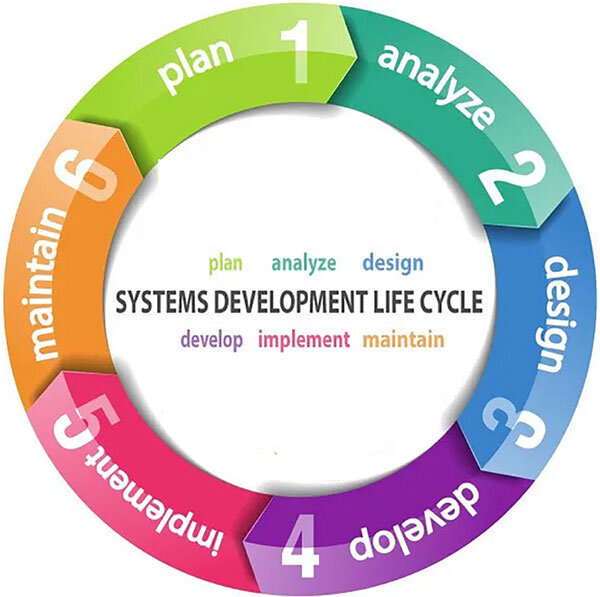
1. Initiation: This is the starting line. An idea or need is identified, like a community needing a new school. The project's goals are defined, and a feasibility study is done to see if it's even possible. If it gets the green light, a project charter is created, officially authorizing the project.
2. Planning: This is where the blueprint for success is drawn up. The project manager develops a detailed plan covering the project scope, schedule, budget, resources, and communication strategy. This plan will be the guide for the entire project.
3. Execution: The hammers start swinging. This is the phase where the physical construction takes place. The project manager coordinates the teams, manages resources, and ensures the work is happening according to the plan.
4. Monitoring and Control: This phase runs in parallel with execution. The project manager tracks progress, compares it to the plan, and makes adjustments as needed. It’s all about keeping the project on track and managing any changes or problems that arise.
5. Closure: The finish line. The building is complete. This phase involves handing over the finished project to the owner, closing out all contracts, paying final bills, and conducting a post-project review to learn lessons for the future.
How Projects are Structured
Not all projects are organized the same way. The relationship between the project owner, the designer (architect), and the builder (contractor) can be structured in a few different ways, known as project delivery methods. Let's look at three common ones.
| Method | Description | Key Feature |
|---|---|---|
| Design-Bid-Build (DBB) | A traditional, linear process. The owner hires a designer to create the plans, then contractors bid on the job. The lowest bidder usually wins. | Separate contracts for design and construction. |
| Design-Build (DB) | The owner hires a single company that is responsible for both designing and building the project. | One contract for both design and construction. |
| CM at Risk (CMAR) | A Construction Manager (CM) is hired early to consult on the design. They then act as the general contractor and commit to a guaranteed maximum price. | CM provides input during design and accepts financial risk. |
Choosing the right delivery method depends on the project's complexity, budget, and timeline. A simple warehouse might use Design-Bid-Build, while a complex hospital that needs close collaboration between designers and builders might opt for Design-Build or CMAR.
A crucial part of any project is managing stakeholders. These are all the people or groups who have an interest in the project, from the client and investors to the local community and government regulators. A good project manager identifies these stakeholders early and communicates with them effectively throughout the project.
Understanding these core concepts—the role of the PM, the project lifecycle, and how projects are structured—forms the foundation of successful construction project management. Now, let's test your knowledge.