Construction Project Management Essentials
Introduction to Construction Management
The World of Construction
From skyscrapers that touch the clouds to the homes we live in, construction shapes our world. The construction industry is a massive and complex field responsible for building, renovating, and maintaining the physical infrastructure around us. It's not just about bricks and mortar; it's a carefully coordinated effort involving many different people and processes.
Construction project management is the comprehensive coordination, planning, and oversight of a construction project from inception to completion.
Think of any large construction project as a temporary company created for a single purpose. It brings together a unique team to achieve a specific goal, like building a new hospital or a bridge. Once the project is finished, the team disbands. Managing this temporary organization is the core challenge of construction management.
Key Players on the Field
Every construction project has three primary stakeholders, each with a distinct role. Their relationship forms the foundation of the project's structure.
Stakeholder
noun
A person, group, or organization with an interest or concern in a project. Stakeholders can affect or be affected by the project's actions, objectives, and policies.
1. The Owner: This is the individual or organization that commissions and funds the project. The owner has a need to be filled—a new office building, a renovated school, an expanded highway. They are the ones who initiate the project and ultimately accept the finished product.
2. The Designer: This team, typically led by an architect or engineer, is responsible for translating the owner's vision into a detailed plan. They create the blueprints, specifications, and design documents that guide the construction process.
3. The Contractor: Also known as the builder, the contractor is responsible for the physical construction of the project. They hire subcontractors (like plumbers and electricians), manage the job site, and ensure the work is completed according to the designer's plans.
Choosing the Right Game Plan
Just as a sports team chooses a strategy before a game, a construction project needs a "delivery method." This is the contractual framework that defines how the stakeholders will work together. The chosen method impacts cost, schedule, and risk.
| Method | Description | Best For |
|---|---|---|
| Design-Bid-Build (DBB) | A traditional, linear process. The owner hires a designer to create plans, then solicits bids from contractors. The lowest bidder is typically hired. | Public projects or when design and cost certainty are paramount before construction begins. |
| Design-Build (DB) | The owner hires a single entity (a design-build firm) to handle both design and construction under one contract. | Projects where speed is critical. It allows construction to start before the design is 100% complete. |
| Construction Mgmt at Risk (CMAR) | The owner hires a construction manager (CM) during the design phase to act as a consultant. The CM provides cost estimates and scheduling advice, then assumes the risk of building the project for a guaranteed maximum price. | Complex projects where the owner wants early input from a builder on cost and constructability. |
The Construction Manager's Role
The construction project manager (CPM) is the owner's primary representative, tasked with steering the project to a successful conclusion. They are the central point of communication and coordination, ensuring the project is delivered on time, within budget, and to the required quality standards. Their responsibilities span the entire project, from initial planning to final handover.
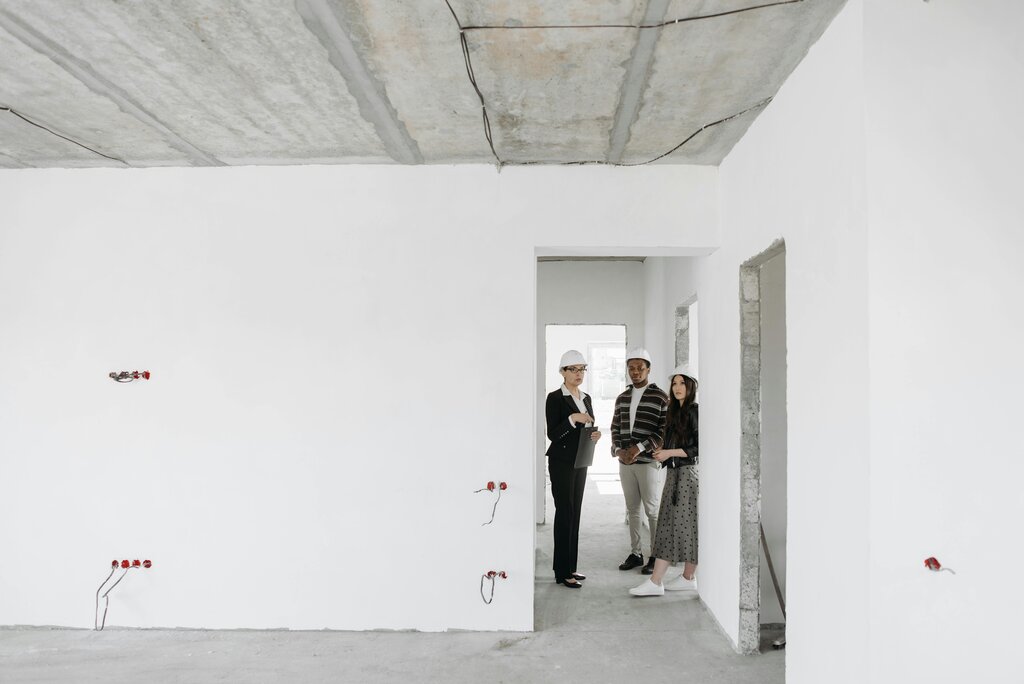
A CPM's duties are extensive. They manage the budget, create and maintain the project schedule, oversee safety protocols on the job site, manage contracts, and communicate with all stakeholders. They are problem-solvers, planners, and leaders all rolled into one.
Essentially, the CPM is the conductor of the project orchestra, ensuring all the different parts—design, labor, materials, and equipment—work in harmony.
The Project Lifecycle
Every construction project follows a similar path from idea to reality. This journey is known as the project lifecycle, which is typically broken down into five distinct phases.
1. Conception: The project begins as an idea. The owner identifies a need and defines the project's goals, scope, and feasibility.
2. Design & Planning: Architects and engineers develop detailed drawings and specifications. The construction manager creates a more detailed budget and schedule.
3. Bidding & Procurement: The owner solicits bids from contractors to perform the work. Contracts are awarded, and materials and equipment are procured.
4. Construction: The physical building process takes place. This is often the longest and most resource-intensive phase.
5. Closeout: The project is completed. This involves final inspections, paperwork, and handing over the finished building to the owner. It also includes evaluating the project's overall success.
To get ready for a quiz on these foundational topics, review the key terms in the flashcards below.
Now, let's test your understanding of these core concepts.
Who is responsible for translating the owner's vision into detailed plans and blueprints?
Which phase of the construction lifecycle involves soliciting bids from contractors and awarding contracts?
Understanding these fundamental pieces—the industry, the players, the methods, and the lifecycle—is the first step in mastering the complex and rewarding field of construction management.