Construction Project Management Essentials
Introduction to Project Management
What Is Project Management?
At its core, project management is the process of guiding a project from start to finish. Think of it as the art and science of turning an idea into a reality. A project isn't just routine work; it's a temporary effort to create something unique, like a new building, a bridge, or a renovated public park. Project management provides the structure to ensure this effort is successful.
Without it, projects can easily go off the rails. Costs can spiral, deadlines can be missed, and the final quality might not meet expectations. In the construction world, where projects are complex and involve many different teams, materials, and regulations, effective management is what separates a successful build from a costly failure.
Effective management helps ensure that projects are completed within the planned timeframe, within the allocated budget, and meet the desired quality standards.
The Project Lifecycle
Every project, regardless of size or complexity, moves through a series of phases. This sequence is known as the project lifecycle. Understanding these five distinct stages helps organize the work and provides clear checkpoints to ensure everything is on track.
1. Initiation: This is the starting line. The project is defined at a high level. Key questions are answered: What is the goal of this project? Why is it important? Who is involved? The outcome is a project charter or a similar document that officially green-lights the project.
2. Planning: Once the project is approved, it's time to create a detailed roadmap. The project manager and team figure out the scope, set a budget, create a schedule, and identify potential risks. This plan is the blueprint for the entire project.
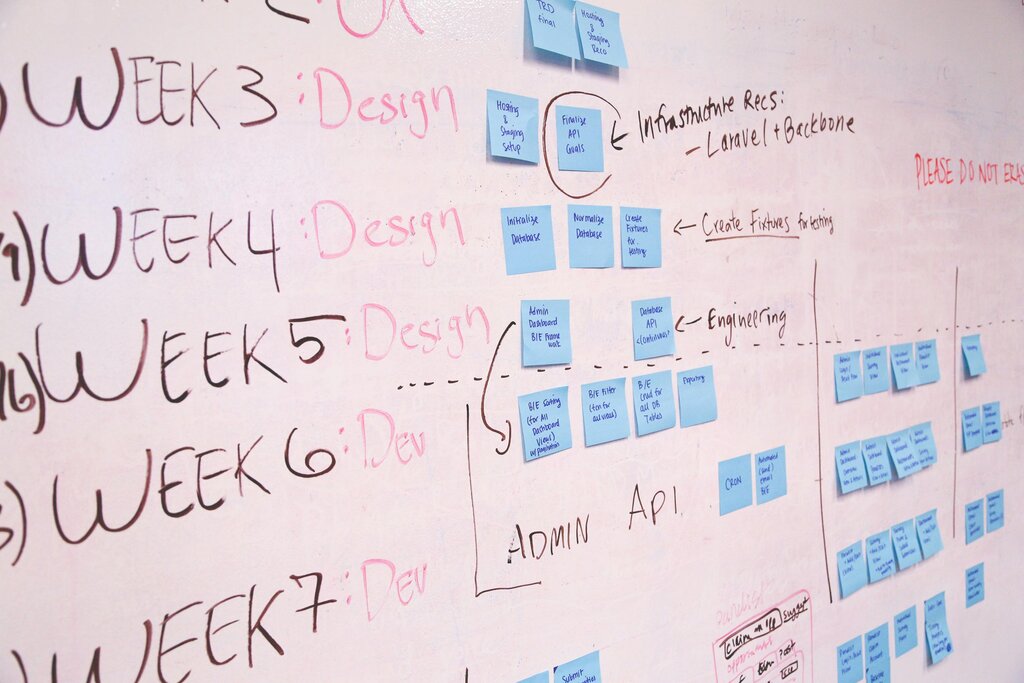
3. Execution: This is where the plan is put into action. The construction crew starts building, materials are delivered, and tasks are completed. The project manager's job is to coordinate the team and resources to keep the work moving forward according to the plan.
4. Monitoring and Controlling: This phase happens at the same time as execution. The project manager tracks progress, compares it to the original plan, and makes adjustments as needed. This involves managing the budget, schedule, and any changes to the project's scope to prevent things from getting off track.
5. Closure: The project is complete. This final phase involves handing over the finished building or structure to the client, completing all paperwork, releasing the project team, and reviewing the project's successes and failures to learn for the future.
Choosing an Approach
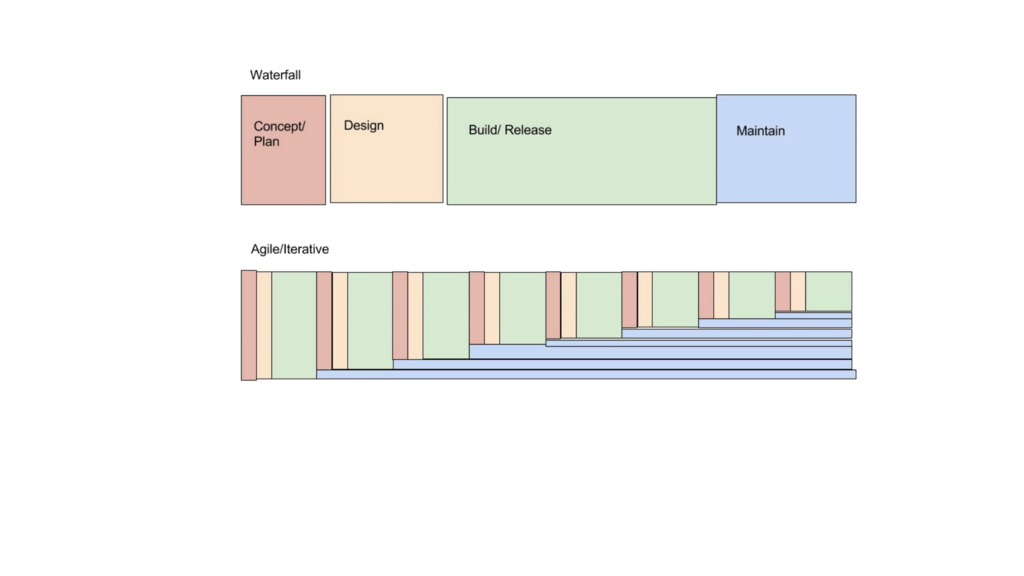
Not all projects are managed the same way. Different methodologies offer different frameworks for navigating the project lifecycle. Two of the most common are Waterfall and Agile.
| Characteristic | Waterfall | Agile |
|---|---|---|
| Process | Linear, sequential phases. You must finish one before starting the next. | Iterative, cyclical. Work is done in small bursts called sprints. |
| Flexibility | Inflexible. Changes are difficult and costly to implement. | Highly flexible. Changes can be made easily between sprints. |
| Best for... | Projects with clear, fixed requirements, like most construction projects. | Projects where requirements may change, common in software development. |
In construction, the Waterfall method is traditionally favored because the steps are logical and sequential. You can't put up walls before the foundation is poured. However, some elements of Agile, like daily team check-ins, are often incorporated to improve communication and adapt to minor on-site challenges.
The Construction Project Manager
The project manager is the central hub of the project, responsible for guiding it through each phase of its lifecycle. They don't swing a hammer, but they ensure that everyone else can do their jobs effectively. Key responsibilities include planning, organizing resources, managing budgets, and communicating with all stakeholders.
Stakeholders are anyone with an interest in the project. This includes the client, architects, engineers, contractors, suppliers, and government regulators.
Construction project management has its own unique challenges. Managers must navigate complex regulations and permit processes, ensure strict safety standards are met on-site, and coordinate a wide array of specialized trades and suppliers. A great construction PM is a master communicator, a problem-solver, and a strong leader who can keep a complex, multi-faceted operation running smoothly.
Ready to check your understanding? This quiz will test you on the core concepts of project management we've just covered.
Which phase of the project lifecycle involves defining the project at a high level, determining its goals, and getting official approval to begin?
The Monitoring and Controlling phase happens concurrently with which other project phase?
By understanding these fundamentals, you have a solid base for exploring the more detailed aspects of managing construction projects effectively.