Construction Fundamentals
Introduction to Construction Management
The Art of Building
Every building you see, from a towering skyscraper to your local library, started as an idea. But how does an idea become a physical structure? That's where construction management comes in. It's the process of planning, coordinating, and overseeing a building project from its earliest concept to its final completion.
At the heart of this process is the Construction Manager, or CM. Think of them as the director of a movie. They don't pour the concrete or install the windows themselves, but they ensure every part of the production—from the script (the blueprints) to the cast and crew (the workers)—comes together to create a successful final product. They are the central point of contact, managing the project's schedule, cost, quality, and safety.
The Manager's Many Hats
A construction manager juggles a wide range of critical responsibilities. They are problem-solvers, communicators, and meticulous planners, all rolled into one.
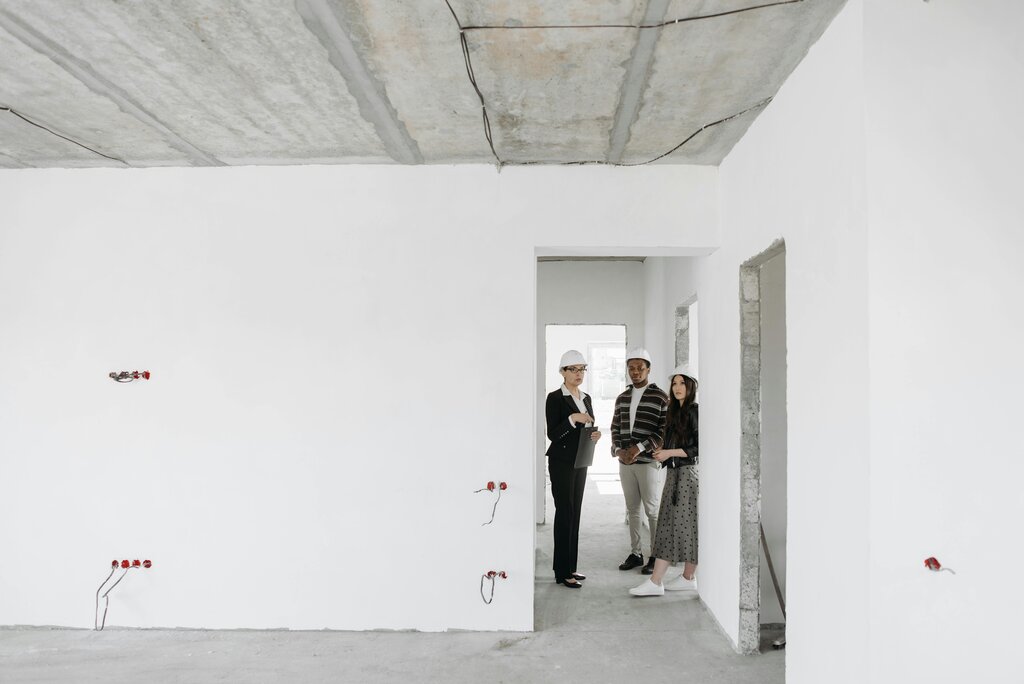
Key duties include:
- Planning and Scheduling: The CM develops the master plan. This involves setting realistic timelines for each stage of the project and coordinating the different teams to ensure a smooth workflow.
- Cost Management: From the initial estimate to the final nail, the CM manages the project's budget. They track all expenses, handle contracts, and work to prevent cost overruns.
- Quality and Safety: Construction sites are complex and potentially dangerous. The CM is responsible for enforcing safety protocols to protect workers. They also ensure that all work meets the required quality standards and building codes.
- Communication: A CM is the communication hub. They liaise between the project owner, architects, engineers, and the various contractors to make sure everyone is aligned and informed.
Without effective management, even the best-designed project can fail due to delays, budget issues, or poor quality.
From Idea to Reality
A construction project unfolds in a series of distinct phases, like chapters in a book. Each phase has its own goals and challenges, guiding the project from a simple concept to a finished building.
1. Conception: This is the starting point. The owner has a need or an idea for a building. The main goal here is to determine if the project is feasible by looking at the high-level goals, budget, and location.
2. Design: Once the project gets a green light, the design phase begins. Architects and engineers work together to create detailed blueprints and specifications. The construction manager often joins during this phase to offer advice on buildability and cost.
3. Procurement: With a design in hand, it's time to hire the team. The CM helps the owner select contractors through a bidding process. This phase also involves ordering all the necessary materials and equipment.
4. Construction: This is the phase where the building comes to life. The CM is on-site daily, managing schedules, overseeing work, conducting safety checks, and resolving any issues that arise. It's the longest and most complex phase of the project.
5. Closeout: The building is complete. The final phase involves inspections, completing any last-minute fixes (the "punch list"), training the owner on how to operate the building systems, and finalizing all payments and paperwork. Once everything is done, the keys are handed over.
Effective leadership is fundamental for construction project managers.
By understanding these roles and phases, you can see how construction management provides the structure and discipline needed to navigate the complexities of building. It ensures that projects are not just completed, but completed on time, within budget, and to the highest standards of quality.