Consistency Over Motivation
Understanding Motivation
What Drives Us?
Motivation is the reason we do things. It's the 'why' behind getting out of bed, studying for a test, or learning a new skill. Think of it as the engine that powers your actions, pushing you toward a goal.
Motivation
noun
The process that initiates, guides, and maintains goal-oriented behaviors. It is what causes you to act, whether it is getting a glass of water to reduce thirst or reading a book to gain knowledge.
At its core, motivation explains why we start a behavior, why we continue it, and why we stop. It’s not just about wanting something; it’s about what gets you to take the steps to achieve it.
The Two Flavors of Motivation
Psychologists generally split motivation into two main types: intrinsic and extrinsic. Understanding the difference is key to understanding what truly drives you.
Intrinsic motivation comes from within. You do something because you find it personally rewarding, enjoyable, or interesting. The activity itself is the reward.
Think about hobbies. You might paint, play guitar, or solve puzzles simply for the joy and satisfaction it brings. No one has to pay you or praise you to do it; the drive is internal.
Extrinsic motivation comes from the outside. This is when you do something to earn a reward or avoid a punishment. The focus is on the outcome, not the process.
Working at a job you don't love just for the paycheck is a classic example. Other examples include studying to get good grades, or cleaning your room to avoid being grounded. The motivation isn't the task itself, but the external factor attached to it.
| Feature | Intrinsic Motivation | Extrinsic Motivation |
|---|---|---|
| Source | Internal (satisfaction, curiosity) | External (rewards, praise, money) |
| Focus | The enjoyment of the task itself | The outcome or reward from the task |
| Example | Reading a book for pleasure | Reading a book for a class grade |
| Sustainability | Tends to be long-lasting | Can fade once the reward is gone |
Intrinsic motivation is a powerful driver of learning, as it makes the process more enjoyable and sustainable.
Why We Feel Motivated (Or Don't)
Several theories help explain the complex puzzle of human motivation. One of the most famous is Maslow's Hierarchy of Needs. This theory suggests that we are motivated to fulfill basic needs before we can move on to more advanced ones.
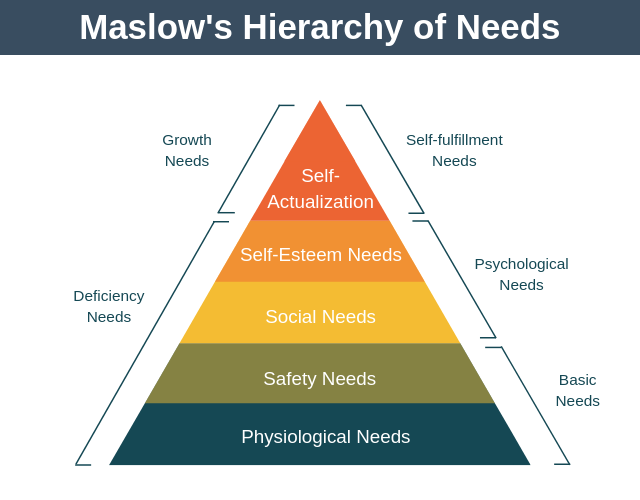
According to Maslow, you can't be motivated by a desire for personal growth (self-actualization) if you're worried about where your next meal is coming from (physiological needs) or if you feel unsafe. Our focus naturally shifts up the pyramid as lower-level needs are met.
Another powerful framework is Self-Determination Theory (SDT). It proposes that all humans, regardless of culture, have three innate psychological needs that drive our behavior and well-being.
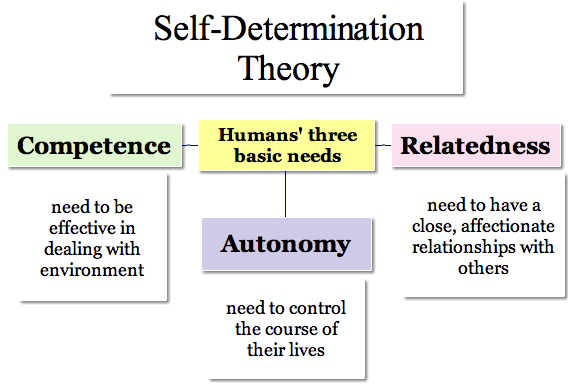
The three needs are:
- Autonomy: The need to feel in control of your own behaviors and goals. You want to feel that your actions are your own choice.
- Competence: The need to feel capable and effective. You want to master challenges and build your skills.
- Relatedness: The need to feel a sense of belonging and connection with others. You want to care for others and feel cared for.
When these three needs are satisfied, our intrinsic motivation thrives. We feel more engaged, creative, and fulfilled. But when they are thwarted, our motivation can plummet.
Motivation in Action
Motivation is the force that turns a goal from a simple wish into an achievable reality. It directly impacts our behavior and performance by influencing our effort, persistence, and choices.
When you are highly motivated to achieve something, you're more likely to:
- Start a task quickly instead of procrastinating.
- Put in more effort and work with greater intensity.
- Persist through obstacles and setbacks.
- Focus your attention on activities that are relevant to your goal.
For instance, an athlete motivated by a desire to win a championship (extrinsic) and a love for the sport (intrinsic) will train harder and push through fatigue more than an athlete who is just going through the motions. Their motivation is the critical ingredient that fuels their performance when things get tough.
According to the provided text, motivation primarily explains...
Which of the following is the best example of intrinsic motivation?
Understanding what drives you—whether it's an internal passion or an external reward—is the first step toward harnessing your motivation more effectively.