Conquering the Compulsion to Revert
Understanding Self-Sabotage
The Enemy Within
Have you ever set a goal, felt excited about it, and then found yourself doing everything except what you need to do to achieve it? You want to get in shape, but you keep skipping the gym. You need to finish a project, but you spend hours scrolling online instead. This is self-sabotage in action.
Self-sabotage
noun
Any behavior, thought, or action that holds you back from achieving your goals and reaching your full potential.
It’s a strange paradox. We consciously want one thing, but our subconscious actions pull us in the opposite direction. These behaviors aren't random. They are patterns that get in the way of our well-being and success. Common forms include procrastination, negative self-talk, and avoiding opportunities or difficult conversations.

Why We Do It
Self-sabotage isn't about being lazy or wanting to fail. It's usually a misguided form of self-protection rooted in deep-seated fears.
Fear of failure is a big one. If you never truly try, you can’t really fail. Procrastinating on a project until the last minute gives you a built-in excuse: “I would have done better if I had more time.”
Less obvious is the fear of success. Success brings new challenges, higher expectations, and more responsibility. Sabotaging a great opportunity might feel safer than facing the pressure that comes with achieving it.
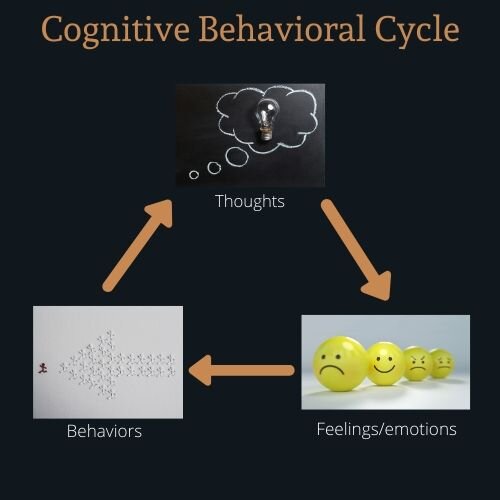
Sometimes, it's about control. When life feels unpredictable, controlling your own failure can feel strangely comforting. You know the outcome because you created it. These behaviors often happen automatically, driven by beliefs we're not even aware of.
Sabotage in Daily Life
Self-sabotage shows up in subtle ways. Ever wake up after a full eight hours of sleep with a pressing urge to crawl back under the covers and ignore the day? That can be a form of avoidance, a way to sidestep responsibilities or anxieties that await you.
Other examples are more direct. You might start an argument with your partner right before a romantic weekend, or eat an entire pizza the night before a health check-in. You might turn down a promotion because you tell yourself you're not qualified, without even exploring the possibility.
These acts aren't isolated incidents. They are symptoms of an underlying conflict between what you say you want and what you subconsciously feel you deserve or can handle.
The impact of these patterns goes beyond missed goals. Chronic self-sabotage can erode your self-esteem and lead to feelings of frustration, anxiety, and depression. Physically, the constant stress of working against yourself can disrupt sleep, weaken your immune system, and contribute to unhealthy habits. Recognizing these patterns is the first, most crucial step toward changing them.