Conquering Stress and Burnout with CBT
Understanding Stress
What Is Stress?
Stress is your body's natural response to any demand or threat. When you sense danger, whether it's real or imagined, your body's defenses kick into high gear in a rapid, automatic process known as the "fight-or-flight" reaction. This is your body protecting you.
Not all stress is bad. Positive stress, sometimes called eustress, can help you stay focused and energetic. It’s what keeps you sharp during a presentation or what motivates you to finish a project on time. But when stress becomes overwhelming and prolonged, it can harm your health and well-being. The key difference lies in how long it lasts. We can break stress down into two main types: acute and chronic.
acute stress
noun
A short-term stress response to an immediate perceived threat. It's the intense feeling you get when you slam on the brakes to avoid an accident or get into an argument.
Acute stress is your body's most common form of stress. It comes and goes quickly. In small doses, it can even be exciting. But overdoing it can be exhausting.
chronic stress
noun
Stress that is constant and persists over an extended period. It can be caused by long-term problems like financial troubles, an unhappy job, or a difficult relationship.
Your body isn't designed to be in a constant state of high alert. Chronic stress occurs when the source of stress is unrelenting, leaving your body without a clear signal to return to normal functioning. This is the type of stress that can silently wear you down and lead to serious health issues.
How Stress Affects You
When your brain perceives a threat, it signals your body to release a flood of hormones, primarily cortisol and adrenaline. Adrenaline increases your heart rate and elevates your blood pressure. Cortisol, the primary stress hormone, increases sugars in the bloodstream and enhances your brain's use of glucose. This whole process gives you the burst of energy you need to handle the situation.
This system is brilliant for short-term emergencies. But when stressors are always present, that fight-or-flight reaction stays turned on.
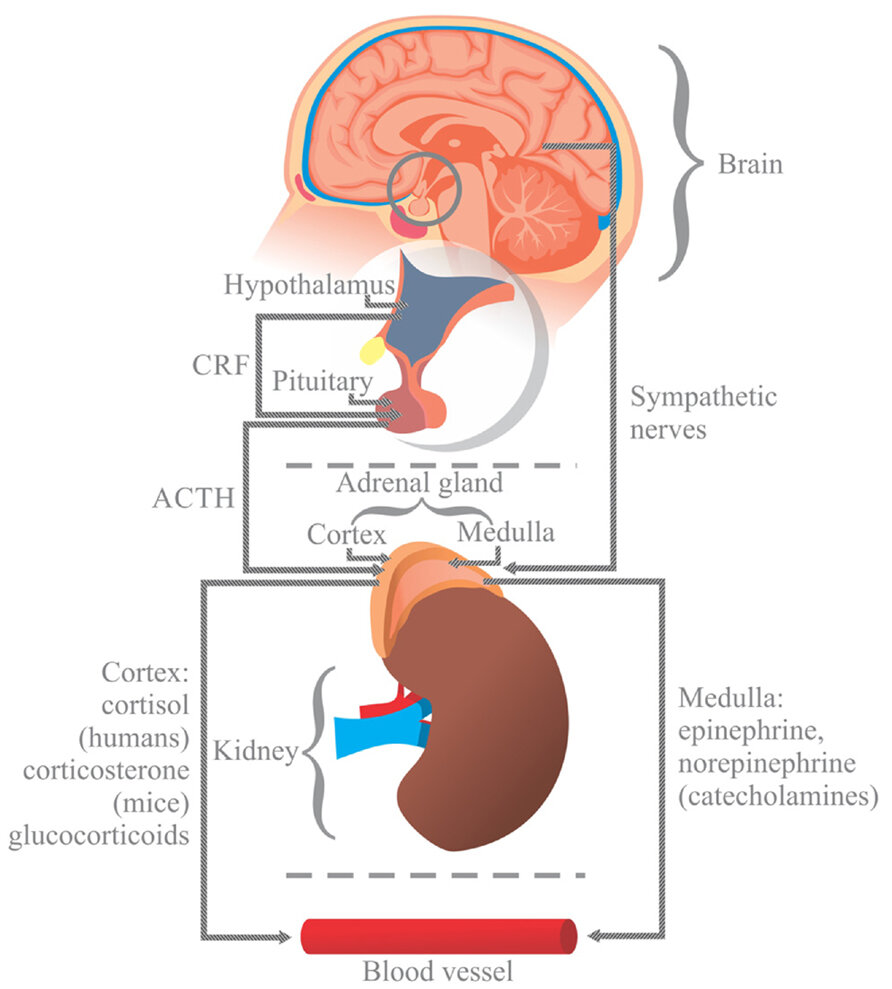
The long-term activation of the stress response system can disrupt almost all your body's processes. Psychologically, you might feel anxious, irritable, or depressed. It can become difficult to concentrate or make decisions. You might have trouble sleeping or feel constantly fatigued. Physically, you could experience headaches, muscle tension, stomach problems, or a weakened immune system.
From Stress to Burnout
The workplace is a common source of chronic stress. Heavy workloads, tight deadlines, long hours, and conflict with coworkers can all contribute. A lack of control over your work or feeling that your contributions are undervalued can also be major stressors.
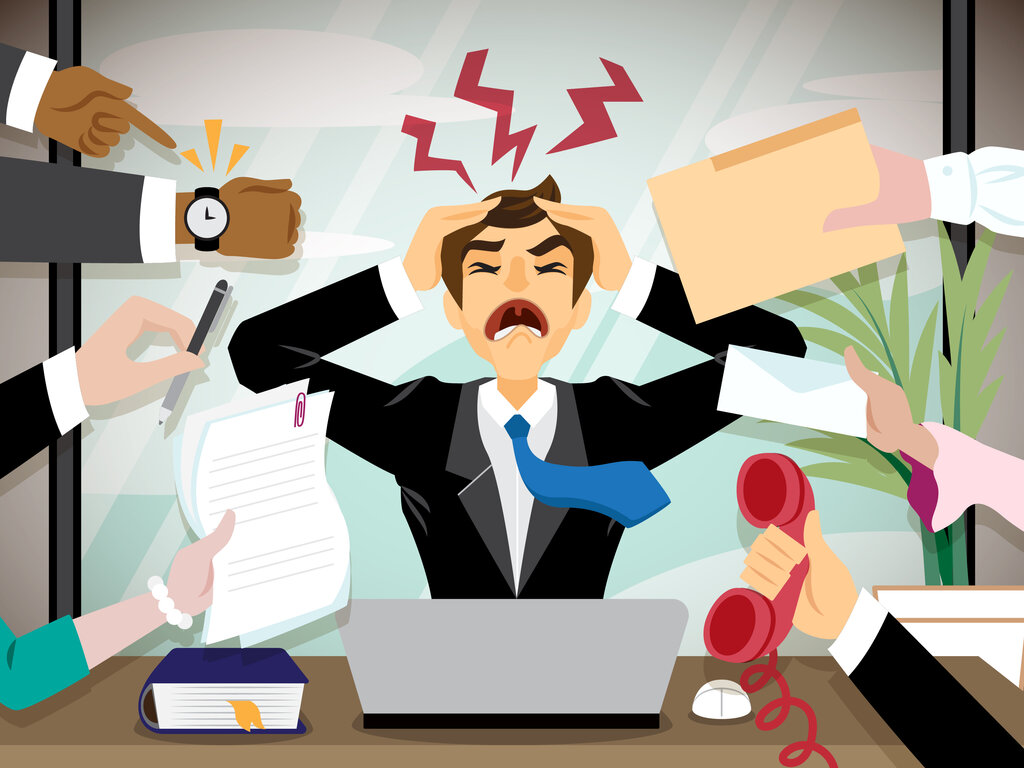
When chronic workplace stress is not managed effectively, it can lead to burnout. Burnout is a state of emotional, physical, and mental exhaustion. It's more than just feeling tired; it's a sense of being completely drained and disengaged from your work.
Recognizing the signs early is key. Symptoms often build up over time. You might notice you're more cynical or critical at work. You could be dragging yourself to the office and have trouble getting started. Other signs include:
- Feeling tired and drained most of the time
- A sense of failure and self-doubt
- Headaches, stomach, or bowel problems
- Feeling detached and alone in the world
- Losing motivation
- Increased irritability or impatience with colleagues
- Reduced satisfaction from your achievements
Burnout isn't a sign of failure or weakness. It's a signal that the demands placed upon you have exceeded your resources to cope.
Understanding what stress is, how it affects you, and when it's crossing the line into a chronic problem is the first step toward taking control.