Conquering Stress and Burnout with CBT
Understanding Stress
The Body's Alarm System
Stress isn't just a feeling. It’s a physical response hardwired into our biology. When your brain perceives a threat—whether it's a looming deadline or a near-miss in traffic—it triggers an internal alarm system. This is often called the "fight-or-flight" response.
This system's command center is the hypothalamus, a tiny region at the base of your brain. It sends signals through the nervous system and to the pituitary gland, which in turn signals the adrenal glands, located on top of your kidneys. This chain reaction is known as the hypothalamic-pituitary-adrenal (HPA) axis.
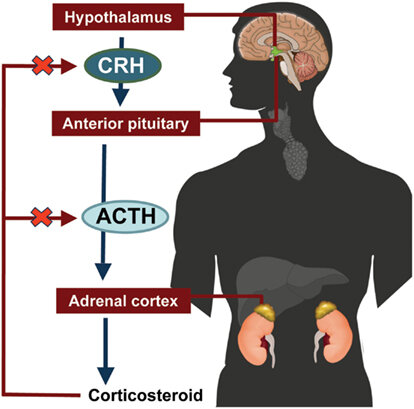
Once activated, your adrenal glands release a surge of hormones, including adrenaline and cortisol. Adrenaline increases your heart rate and blood pressure, boosting energy supplies. Cortisol, the primary stress hormone, increases sugars (glucose) in the bloodstream, enhances your brain's use of glucose, and curbs functions that would be nonessential in a fight-or-flight situation. It's an amazing system for handling immediate, short-term threats.
Cortisol
noun
A steroid hormone that regulates a wide range of processes throughout the body, including metabolism and the immune response. It also has a very important role in helping the body respond to stress.
When the Alarm Stays On
The stress-response system is designed to be self-regulating. Once the perceived threat passes, hormone levels return to normal. Your heart rate slows, your blood pressure drops, and other systems resume their regular activities. But what happens when the stressors don't go away?
When you experience constant workplace pressure, financial worries, or relationship troubles, that alarm system can stay switched on. This is chronic stress, and it means the body is continuously flooded with cortisol and other stress hormones. Over time, this constant activation can disrupt almost all your body's processes.
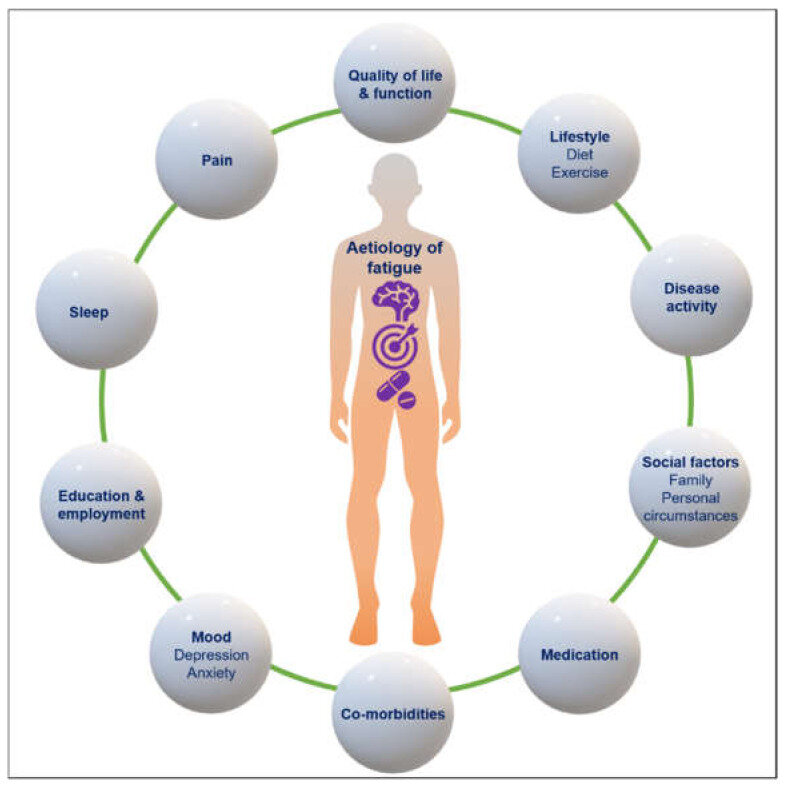
The long-term effects of chronic stress are serious. It can weaken your immune system, making you more vulnerable to infections. It can cause digestive problems, headaches, and muscle tension. Psychologically, it can lead to anxiety, depression, and sleep problems. This ongoing strain depletes your physical and emotional resources, setting the stage for more severe conditions.
From Stress to Burnout
The workplace is a common source of chronic stress. While our bodies are built to handle a single high-stakes presentation, they aren't designed for months of overwhelming workloads, unclear job expectations, or a toxic office culture. These are psychological stressors, but our bodies react to them just as they would to a physical threat.
Common workplace stressors include:
- Excessive workload: Feeling like you constantly have too much to do and not enough time.
- Lack of control: Having little say in decisions that affect your job, such as your schedule or assignments.
- Unclear expectations: Not knowing what is expected of you or the scope of your responsibilities.
- Dysfunctional dynamics: Dealing with a workplace bully, a micromanager, or unsupportive colleagues.
- Work-life imbalance: The inability to disconnect from work and dedicate time to personal life.

When these stressors persist without relief, they can lead to burnout. Burnout isn't just feeling tired; it's a state of emotional, physical, and mental exhaustion. It's characterized by feelings of cynicism and detachment from your job, a sense of ineffectiveness, and a lack of accomplishment. You feel drained, start to resent your work, and find it harder to be productive.
Understanding this pathway—from a stress trigger to a full-blown physical response, and from chronic stress to burnout—is the first step in learning how to manage it.
Let's check what you've learned about the mechanics of stress.
What is the command center of the body's stress response system, often called the 'internal alarm system'?
Which hormone is described as the primary stress hormone, responsible for increasing glucose in the bloodstream and curbing nonessential functions?
Now that you have a handle on what stress is and how it affects you, you're ready to explore tools and techniques to manage it effectively.