Conquering Stress and Burnout with CBT
Understanding Stress
What is Stress?
Stress is the body's natural reaction to any demand or threat. When you sense danger, whether it’s real or imagined, the body's defenses kick into high gear in a rapid, automatic process known as the "fight-or-flight" reaction. This is your body protecting you.
But not all stress is bad. It comes in two main flavors: eustress and distress.
Eustress is positive stress. It's the kind that motivates you, focuses your energy, and feels exciting. Think of the rush you get before a big game or the focus you have when facing a fun challenge.
Distress is negative stress. This is what we typically mean when we say we're "stressed out." It can feel overwhelming and lead to anxiety, and it's caused by things like conflict, constant worry, or too much pressure.
The Body's Alarm System
Your body has a built-in alarm system for handling stress. When your brain perceives a threat, it triggers a cascade of hormones to prepare you for action. This system is called the hypothalamic-pituitary-adrenal (HPA) axis.
First, the hypothalamus, a small region at the base of your brain, signals the pituitary gland. The pituitary gland then tells the adrenal glands, which sit on top of your kidneys, to release stress hormones like cortisol and adrenaline.
These hormones are the reason your heart pounds, your breath quickens, and your muscles tense up during a stressful event. They're diverting energy and resources to where you'll need them most to either fight the threat or run from it.
Psychologically, this state of high alert can cause anxiety, irritability, and trouble focusing. In the short term, this is incredibly useful. It helps you swerve to avoid a car accident or meet a tight deadline. The problems begin when the alarm system never shuts off.
When Stress Sticks Around
Chronic stress occurs when the source of stress is constant and your body stays in a state of high alert. The HPA axis keeps firing, and cortisol and adrenaline levels remain elevated. This long-term activation can disrupt almost all your body's processes, putting you at increased risk for health problems.
This is where burnout comes in. Burnout is a specific type of work-related stress. It’s a state of physical, emotional, or mental exhaustion combined with doubts about your competence and the value of your work. It's the result of long-term, unresolved job stress.
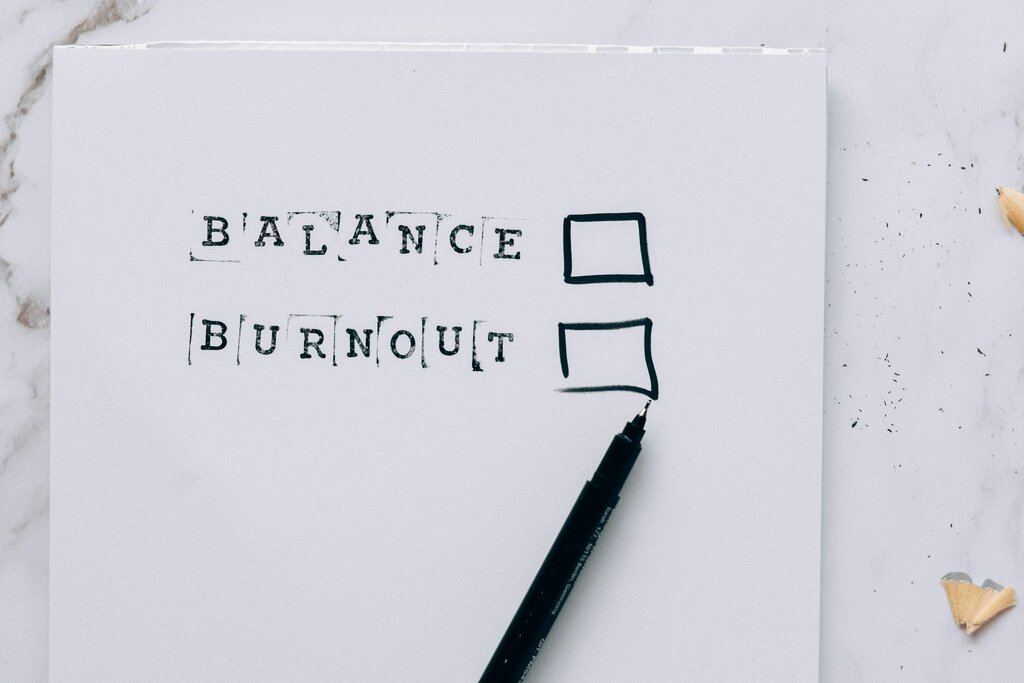
Think of it like this: acute stress is like sprinting to catch a bus. It's intense, but it's over quickly, and you recover. Chronic stress is like running a marathon you never trained for, with no finish line in sight. Eventually, you just run out of energy. That exhaustion is burnout.
Spotting the Signs
Recognizing the symptoms of stress and burnout is the first step toward addressing them. The signs can be subtle at first but become more pronounced over time. They can affect your body, your thoughts and feelings, and your behavior.
| Symptom Type | Common Signs of Stress | Common Signs of Burnout |
|---|---|---|
| Physical | Headaches, muscle tension, fatigue, upset stomach, sleep problems. | Chronic fatigue, frequent illness, changes in appetite or sleep habits. |
| Emotional | Anxiety, irritability, restlessness, lack of motivation, feeling overwhelmed. | Feeling helpless or trapped, detachment, cynicism, a sense of failure. |
| Behavioral | Angry outbursts, social withdrawal, changes in appetite, procrastination. | Withdrawing from responsibilities, isolating from others, skipping work. |
Notice the overlap. Burnout is an escalation of stress symptoms, often accompanied by a deep sense of cynicism and detachment specifically related to one's job.
Recognising psychological stress symptoms is the first step in managing stress effectively.
Now, let's check your understanding of these core concepts.
What is the correct sequence of activation in the hypothalamic-pituitary-adrenal (HPA) axis, the body's primary stress response system?
The feeling of your heart pounding right before a big presentation is primarily caused by the release of which hormones?
By learning to identify what stress feels like for you, you can begin to understand its impact and why managing it is so important for your overall well-being.