Conquering Imposter Syndrome in New Roles
Understanding Imposter Syndrome
The Feeling of Being a Fraud
You got the job. You earned the promotion. You successfully launched a project. Everyone is congratulating you, but a nagging voice in your head whispers, "They're all mistaken. I just got lucky. Any minute now, they'll find out I don't belong here."
This feeling is the core of imposter syndrome. It's a psychological pattern where you doubt your skills, talents, and accomplishments, holding a persistent, internalized fear of being exposed as a fraud. It's not about a lack of confidence; people experiencing imposter syndrome are often highly accomplished. The issue is that they can't internalize their own success.
Instead of celebrating their achievements, people with imposter syndrome often explain them away with reasons like luck, timing, or tricking others into thinking they are more competent than they believe themselves to be.
This creates a constant state of anxiety. The praise you receive from others feels unearned, and every new task feels like another chance to be exposed.
Who Experiences This?
If this sounds familiar, you're in good company. Studies suggest that up to 70% of people experience imposter syndrome at some point in their lives. It's especially common among high-achievers and professionals navigating career changes. Starting a new job, taking on more responsibility, or switching to a completely different industry are prime triggers.
When you're in a new environment, you're surrounded by unknowns. You don't know the company culture, the unwritten rules, or the specific expectations of your role. It’s natural to feel like you're finding your footing.
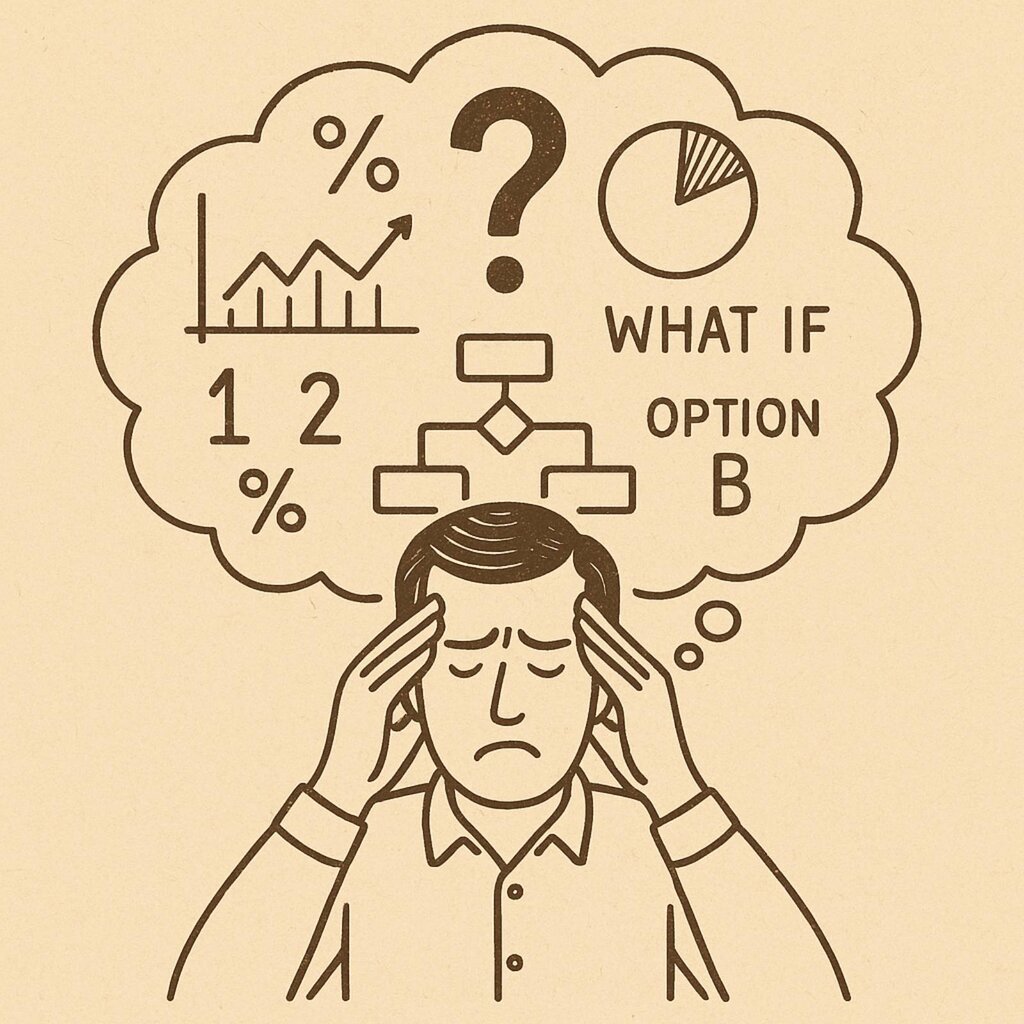
The problem arises when this normal period of adjustment morphs into a persistent belief that you are fundamentally incapable and don't deserve your position. This feeling isn't a sign of weakness or inability; it's often a direct result of stepping into a challenging new situation.
Impostor syndrome is a reasonable reaction to the challenge of changing careers.
Triggers and Consequences
Beyond career changes, many situations can trigger feelings of being an imposter. Being assigned a difficult project, getting a promotion, or even just receiving public praise can activate that sense of fraudulence. The mind starts racing, comparing your perceived internal shortcomings with the seemingly flawless competence of everyone around you.
This cycle of self-doubt has real consequences. Professionally, it can lead to burnout from over-preparing, or procrastination from the fear of failure. You might avoid new opportunities because you're afraid you won't measure up. Psychologically, the constant stress and anxiety take a toll.
As this cycle repeats, the feeling of being an imposter becomes more entrenched. Each success, instead of building confidence, becomes further proof that you've managed to fool everyone once again.
Recognizing that these feelings are a common psychological pattern—and not a reflection of your actual abilities—is the first step. Understanding what imposter syndrome is and what triggers it for you helps demystify the experience.
What is the core characteristic of imposter syndrome?
True or False: Imposter syndrome is a rare condition experienced by only a few high-achievers.