Conquering Imposter Syndrome in New Roles
Understanding Imposter Syndrome
The Feeling of Being a Fraud
Have you ever felt like you don't deserve your success? That any moment, someone will tap you on the shoulder and expose you as a fake? This feeling is surprisingly common. It's often called imposter syndrome, and it's not a formal mental health diagnosis, but rather a persistent psychological pattern.
When you’re experiencing imposter phenomenon, you live your life feeling that at any moment, the world will realize you’re not as smart, successful, or competent as they think you are.
People experiencing imposter syndrome doubt their abilities and feel like a fraud, despite evidence of their competence. These feelings are particularly common during times of transition, like starting a new job or taking on more responsibility. When you're stepping into unfamiliar territory, it's natural to question whether you belong.
Impostor syndrome is a reasonable reaction to the challenge of changing careers.
It affects people across all professions and experience levels. High achievers are often the most susceptible. The more you accomplish, the more you might feel the pressure to live up to expectations, fueling the fear of being found out.
What's Happening in Your Head
Imposter syndrome isn't about a lack of skill. It's about a skewed perception of your own abilities. This is often driven by cognitive distortions, which are habitual ways of thinking that are inaccurate or negatively biased. For example, you might get ninety-nine positive comments on a project and one piece of criticism, but you only focus on the negative one. This is a cognitive distortion called filtering.
| Distortion | Description |
|---|---|
| All-or-Nothing Thinking | Seeing things in black and white. If your performance falls short of perfect, you see it as a total failure. |
| Discounting the Positive | Dismissing positive experiences by insisting they "don't count." You might attribute a success to luck rather than your own skill. |
| Catastrophizing | Automatically expecting disaster. You might worry that a small mistake at work will lead to you being fired. |
Perfectionism is another major driver. When you set impossibly high standards for yourself, any small mistake feels like proof of your inadequacy. This creates a cycle: you work incredibly hard to avoid being exposed, and when you succeed, you don't feel relief. Instead, you worry that you won't be able to replicate that success next time.
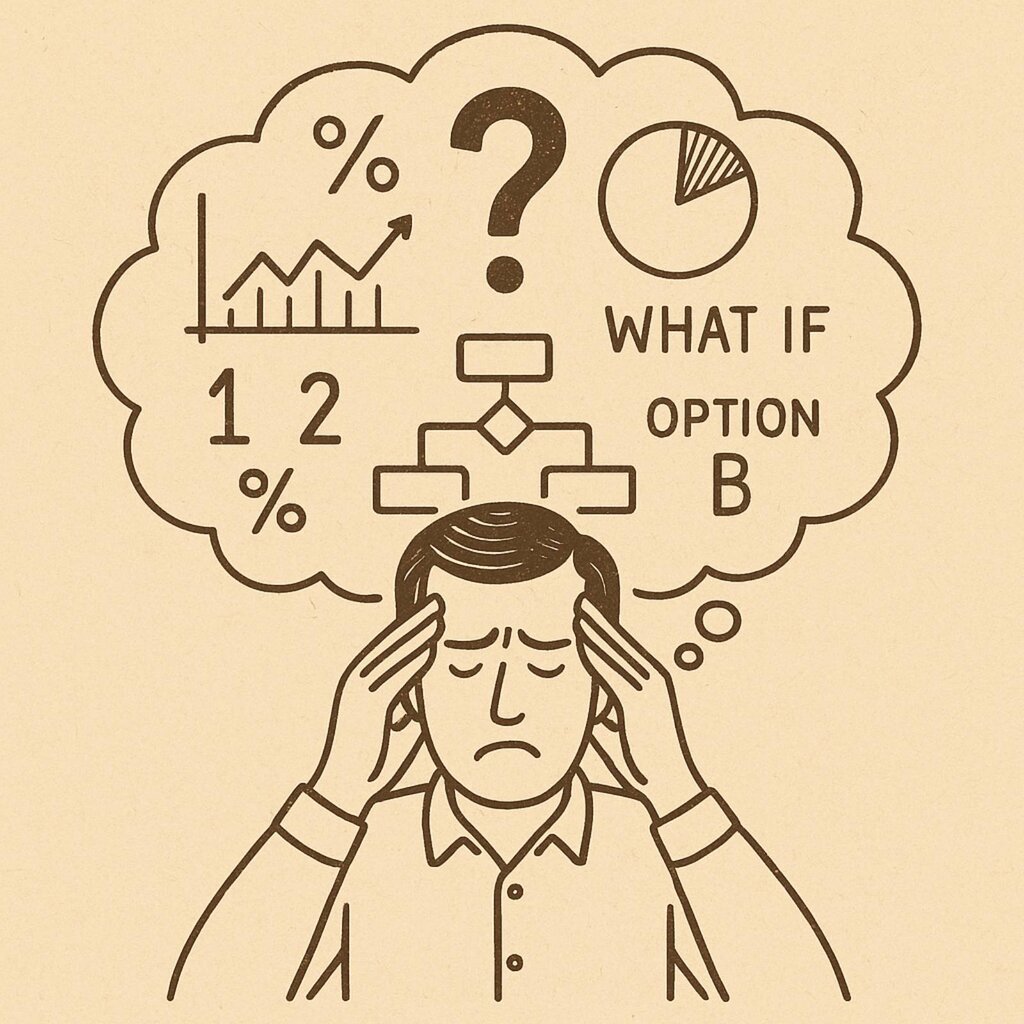
This cycle is often self-perpetuating. The anxiety caused by these thought patterns can actually hinder your performance, which then reinforces your belief that you are an imposter.
The Ripple Effect
Living with the constant fear of being exposed takes a toll. Professionally, it can lead to burnout. You might overprepare for every task or work longer hours than necessary to prove your worth. This isn't sustainable and can lead to exhaustion and decreased productivity over time.
It can also make you shy away from new opportunities. If you feel like a fraud, you're less likely to apply for a promotion, ask for a raise, or take on a challenging project. You might think you're not ready, even when you are. This self-doubt can hold you back from reaching your full potential.
Imposter syndrome can create a significant barrier to career growth by fostering a fear of failure and risk avoidance.
The mental health impact is just as significant. The chronic stress, anxiety, and self-doubt associated with imposter syndrome can contribute to conditions like depression. It isolates you, making you feel like you're the only one who feels this way, which can make it hard to seek support.
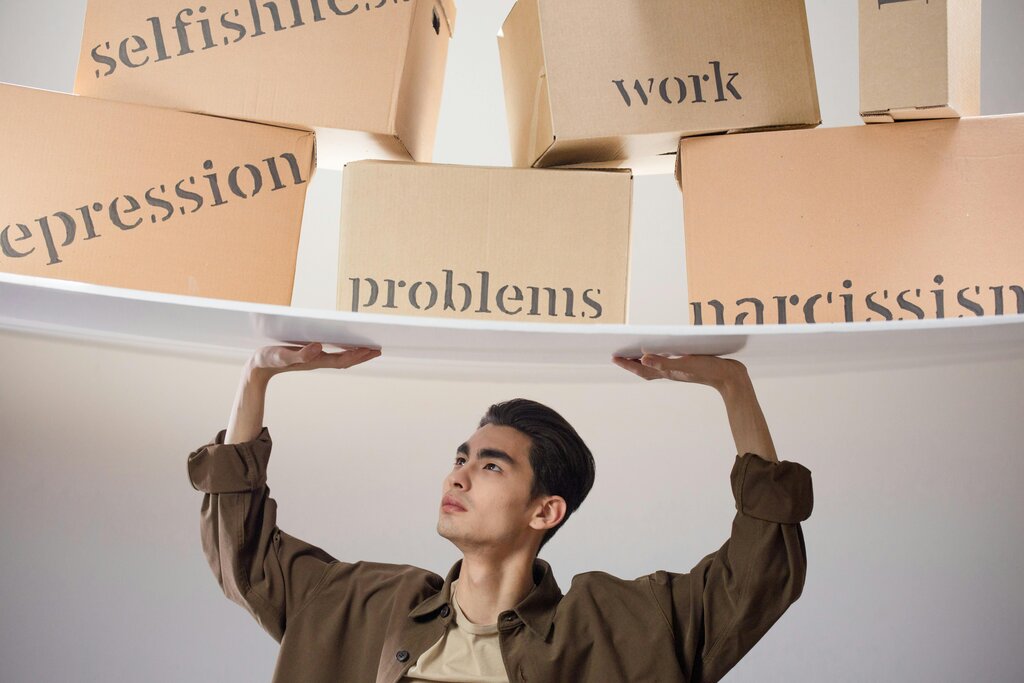
Understanding that these feelings are a recognized psychological pattern is the first step. It's not a personal failing, but a common experience rooted in specific thought patterns. Recognizing these patterns is crucial before you can begin to address them.
Let's check your understanding of these core ideas.
What is the most accurate description of imposter syndrome?
True or False: High-achievers are often the most susceptible to feeling like an imposter.