Conquering Imposter Syndrome in New Roles
Understanding Imposter Syndrome
The Feeling of Being a Fraud
Have you ever felt like you don't deserve your success? That any moment, someone will discover you're not as smart or capable as they think you are? This persistent feeling of being a phony, despite evidence of your accomplishments, has a name: imposter syndrome.
Imposter syndrome is the nagging feeling that you’re not good enough or that your achievements are just a fluke.
The term was first coined in 1978 by psychologists Pauline Rose Clance and Suzanne Imes. They observed high-achieving women who believed they were not intelligent and had fooled anyone who thought otherwise. Since then, research has shown this experience is incredibly widespread, affecting people of all genders, backgrounds, and professions. It's not a formal psychiatric diagnosis but a psychological pattern of thought.
Who Gets It?
It might feel isolating, but imposter syndrome is extremely common. Studies suggest that up to 70% of people will experience these feelings at some point in their lives. It's especially prevalent among high-achievers and people in creative fields.
These feelings often surface during times of transition. Starting a new job, taking on a challenging project, or changing careers can trigger intense self-doubt. You're stepping into the unknown, and your brain might interpret inexperience as inadequacy.
Impostor syndrome is a reasonable reaction to the challenge of changing careers.
When you're surrounded by new colleagues who seem to know everything, it's easy to feel like you don't belong. This is a normal part of the learning curve, not a sign that you're an imposter.
What It Looks Like
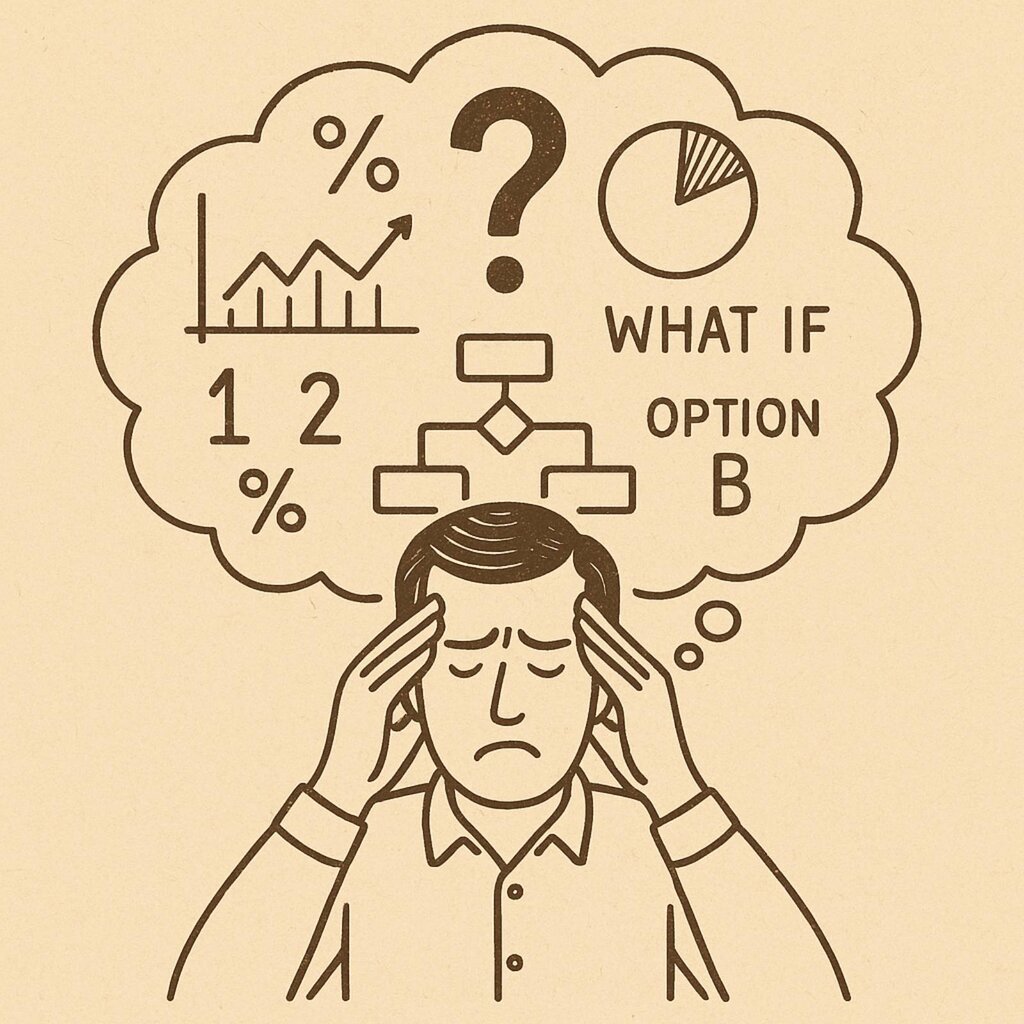
Imposter syndrome can manifest in several ways. Recognizing the signs is the first step toward understanding its influence on your thoughts and behaviors. Common symptoms include:
- Chronic Self-Doubt: Constantly questioning your skills and knowledge, even in areas where you are experienced.
- Attributing Success to Luck: Believing your achievements are the result of good fortune, timing, or other external factors, rather than your own abilities.
- Discounting Praise: Difficulty accepting compliments or positive feedback, often dismissing them as others just being nice.
- Fear of Failure: An intense anxiety about not meeting expectations, which can lead to procrastination or, conversely, over-preparing.
- Setting Unrealistic Goals: Creating impossibly high standards for yourself, then feeling like a failure when you can't meet them perfectly.
The Impact on Your Career
Left unchecked, imposter syndrome can significantly affect your professional life and mental well-being. It can hold you back from taking risks that are essential for growth. For example, you might avoid applying for a promotion because you feel unqualified, or you might stay silent in meetings for fear of saying the wrong thing.
This constant self-doubt can lead to burnout. People experiencing imposter syndrome often work harder and longer than necessary to 'prove' their worth, which is an unsustainable and exhausting way to work. The chronic stress can also contribute to anxiety and depression, impacting your health both inside and outside the workplace.
When you’re experiencing imposter phenomenon, you live your life feeling that at any moment, the world will realize you’re not as smart, successful, or competent as they think you are.
Understanding what imposter syndrome is and how it shows up is a crucial first step. It allows you to see these thoughts not as facts, but as a common psychological pattern you can learn to navigate.