Conquering Imposter Syndrome in a New Role
Understanding Imposter Syndrome
What is Imposter Syndrome?
Have you ever felt like you've tricked everyone into thinking you're smarter and more capable than you really are? If so, you've experienced imposter syndrome. It's not a formal diagnosis, but a psychological pattern that can affect anyone, regardless of their success or status.
Imposter syndrome is the persistent feeling that you don't deserve your accomplishments and that you'll soon be exposed as a fraud.
People experiencing this feeling often discount their own achievements. They might get a promotion, ace an exam, or receive praise for their work, but internally they believe it was just luck, good timing, or a mistake. They live with a quiet anxiety that someone will pull back the curtain and reveal their perceived incompetence to the world.
Who Feels Like an Imposter?
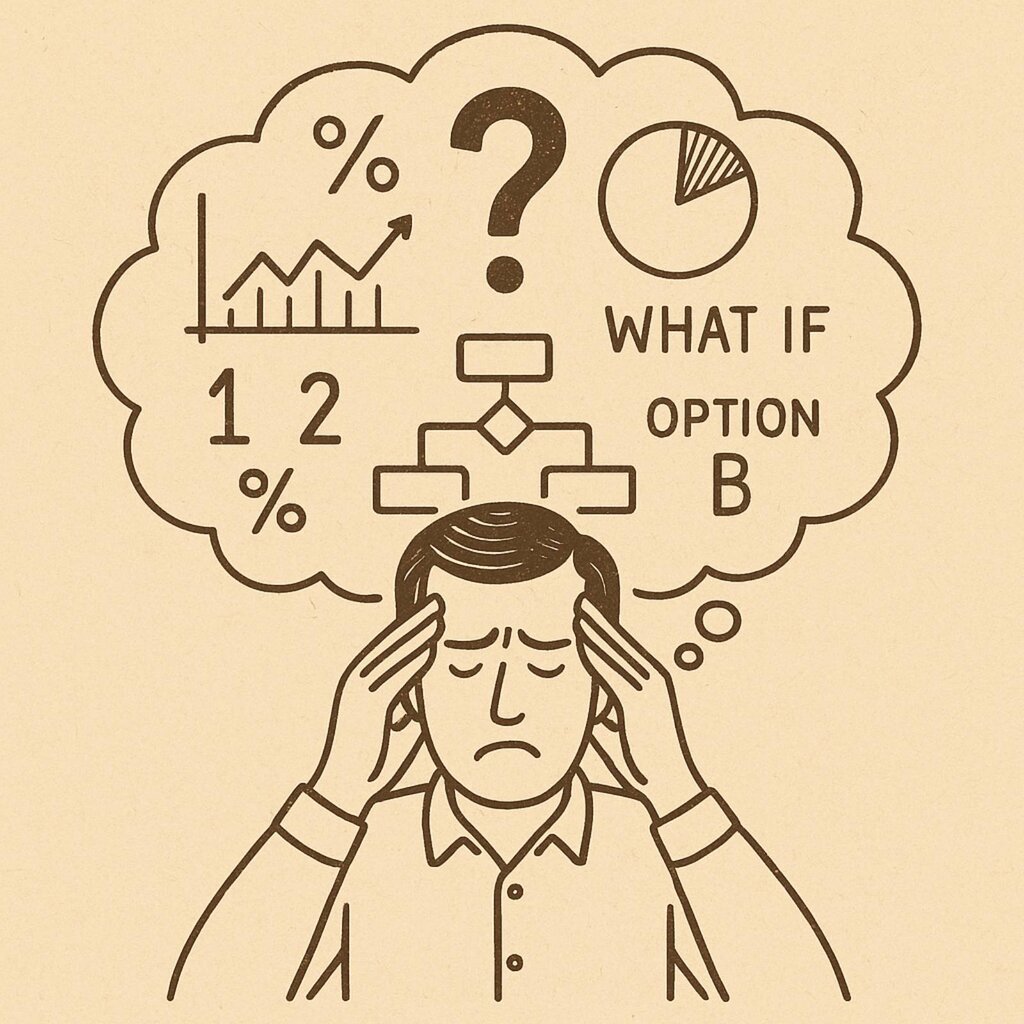
If this sounds familiar, you're in good company. Studies suggest that up to 70% of people will experience these feelings at some point in their lives. It's particularly common during times of transition, when you're stepping into a new environment and haven't yet found your footing.
New employees often feel it. They're surrounded by colleagues who seem to know all the acronyms, unwritten rules, and procedures. It's easy to feel like you're the only one who's lost. The same is true for career changers. Moving into a new field can feel like starting over, triggering powerful doubts about whether you truly belong.
Impostor syndrome is a reasonable reaction to the challenge of changing careers.
High-achievers are also surprisingly susceptible. The more you accomplish, the higher the expectations—both from others and from yourself. This pressure can fuel the fear that you won't be able to replicate past successes, reinforcing the feeling that your achievements were a fluke.
Signs and Symptoms
Recognizing imposter syndrome is the first step toward understanding its impact. The feelings manifest in several ways, often creating a cycle of doubt and anxiety that can be hard to break. Here are a few common signs:
| Symptom | Description |
|---|---|
| Attributing Success to Luck | Believing your achievements are due to external factors, not your own skills or hard work. You might say, "I just got lucky," or "Anyone could have done it." |
| Fear of Failure | An intense dread of being unsuccessful, which can lead to procrastination or, conversely, over-preparing for tasks. The fear isn't just about failing, but about being exposed as a failure. |
| Perfectionism | Setting impossibly high standards for yourself. Even minor mistakes are seen as proof of your inadequacy. This can lead to burnout as you constantly strive for an unattainable level of performance. |
| Overworking | Compensating for perceived inadequacies by working much harder than necessary. You might stay late or take on extra projects to prove you're worthy of your role, even when you're already meeting expectations. |
| Downplaying Praise | Difficulty accepting compliments or positive feedback. When someone praises your work, you might feel uncomfortable or dismiss it, believing you don't deserve it. |
These patterns can take a toll. Professionally, they can cause you to shy away from new challenges, avoid asking for promotions, or burn out from constant overwork. On a personal level, the chronic stress and anxiety can impact your mental well-being, eroding your confidence and sense of self-worth over time.
What is the core belief of someone experiencing imposter syndrome?
True or False: Imposter syndrome is a rare condition that only affects people in entry-level positions.
Understanding what imposter syndrome is and how it shows up is a crucial skill for navigating your career. By recognizing these feelings, you can begin to see them for what they are: a common psychological pattern, not a reflection of your actual abilities.