Conquering Fear
Understanding Fear
What Is Fear?
It’s a powerful and primal human emotion. It alerts us to the presence of danger and was fundamental to the survival of our ancestors. While we may not be escaping saber-toothed tigers anymore, fear still plays a crucial role in our lives, protecting us from threats and helping us make safer choices.
Fear
noun
An unpleasant emotion caused by the belief that someone or something is dangerous, likely to cause pain, or a threat.
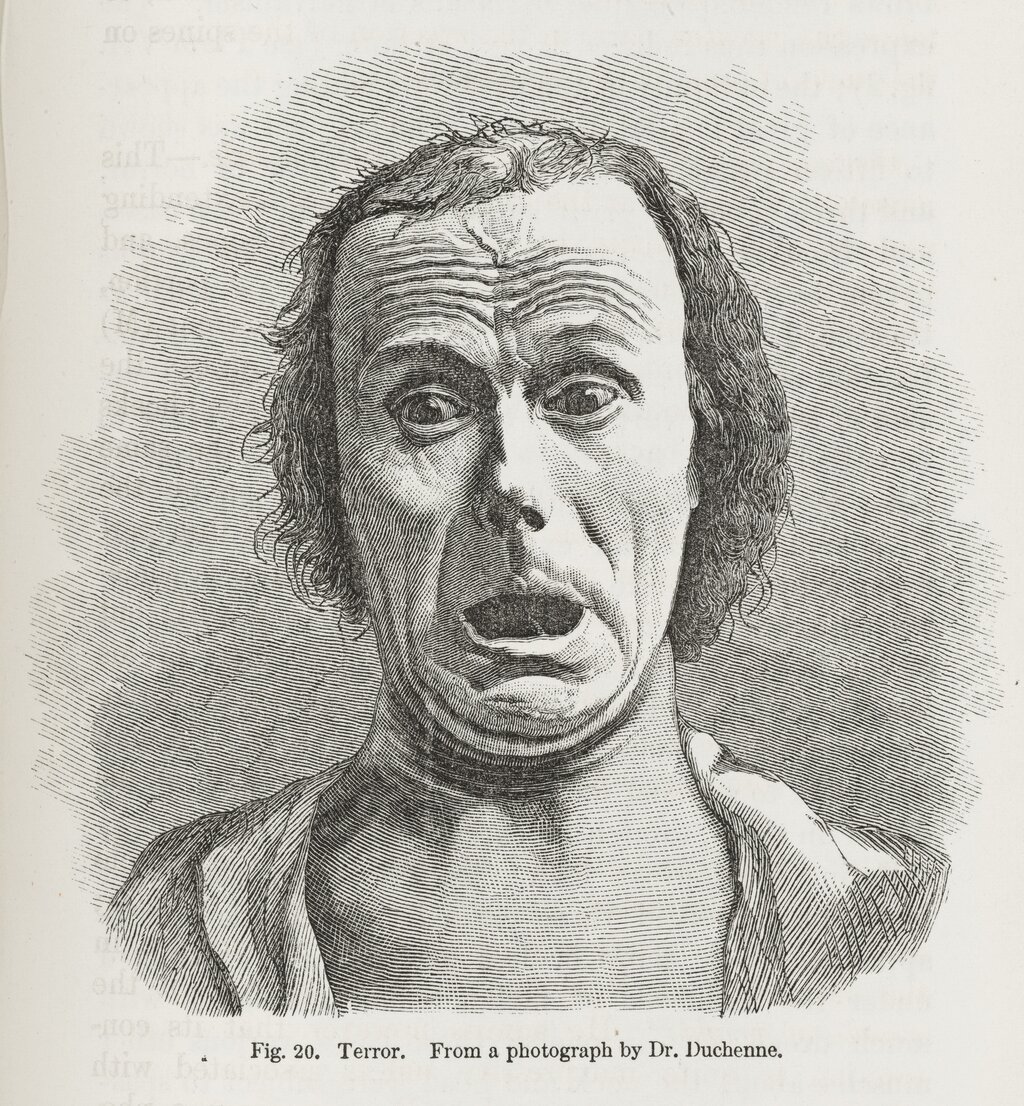
At its core, fear is a chain reaction in the brain that starts with a stressful stimulus and ends with a release of chemicals that cause a racing heart, fast breathing, and energized muscles. This response is entirely automatic. We don't choose to feel it; our bodies take over to prepare us for a potential emergency.
The Mind's Interpretation
Fear begins in the mind. The psychological component involves how we perceive and interpret a situation. Your brain is constantly scanning your environment for potential threats. When it spots one, it makes a rapid judgment call: Is this dangerous? This process, known as cognitive appraisal, happens in an instant.
Imagine walking alone at night and hearing footsteps behind you. Your brain quickly appraises the situation. It pulls from past experiences and knowledge. The thought, "I might be in danger," is the psychological spark that ignites the feeling of fear. Your focus narrows, you become hyper-aware of your surroundings, and your mind races through possibilities and escape routes. This intense mental state is designed to help you analyze the threat and react quickly.
Fear isn't just about what's happening. It's about what we think might happen next.
The Body's Alarm System
Once the brain signals a threat, the body's alarm system kicks into high gear. This physiological response is commonly known as the fight-or-flight response. It’s an ancient survival mechanism that prepares your body to either confront the danger or run away to safety.
The process starts in a part of the brain called the amygdala, which acts like a threat detector. When triggered, it sends a signal to the hypothalamus, the brain's command center. The hypothalamus then activates the sympathetic nervous system, prompting the adrenal glands to release a flood of hormones, most notably adrenaline.
This hormonal surge is what causes the familiar physical sensations of fear. Your heart pounds to pump more blood to your muscles. Your breathing quickens to increase oxygen intake. Your muscles tense up, ready for action. Your pupils dilate to let in more light, and non-essential functions like digestion slow down to conserve energy. Every part of this response is designed to maximize your chances of survival.
Fear's Impact on Behavior
Fear is a powerful motivator. It can drive us to take immediate, decisive action. If you see a car speeding toward you, fear compels you to jump out of the way without a second thought. This is the evolutionary purpose of fear in action: it protects us.
However, fear can also cause us to freeze, another common reaction to overwhelming threats. This response, sometimes called tonic immobility, is seen across the animal kingdom. A deer caught in headlights isn't just stunned; it's experiencing an involuntary fear response.
In our daily lives, fear influences many of our decisions. It might lead us to avoid certain places, people, or activities. We might study harder for an exam because we fear failure, or we might lock our doors at night out of fear of intruders. While it can sometimes hold us back, fear is ultimately a tool that helps us navigate a world filled with potential risks.
Ready to test your knowledge? Let's see what you've learned about the fundamentals of fear.
Which part of the brain acts as the primary 'threat detector' that initiates the fight-or-flight response?
The rapid, often unconscious, process of evaluating a situation to determine if it's dangerous is known as ______.
Understanding fear helps us understand a fundamental part of what makes us human. It's a complex interplay between our mind and body, honed by evolution to keep us safe.