Conquering Compulsive Overeating
Understanding Impulsive Overeating
The Urge to Eat
Sometimes, the desire to eat has little to do with an empty stomach. Impulsive overeating is the act of consuming food, often in large amounts, as a reaction to feelings rather than physical hunger. It’s a sudden urge that can feel difficult to control, driven by emotions like stress, sadness, boredom, or even happiness.
Unlike planned meals, impulsive eating is spontaneous and often involves high-calorie, comforting foods. The key distinction is the trigger: emotion, not hunger.
Psychological Triggers
Our minds play a significant role in driving impulsive eating. When we struggle to manage difficult emotions, food can become a temporary escape. This is a concept known as emotional dysregulation. Instead of sitting with an uncomfortable feeling, we might turn to eating to numb, distract, or soothe ourselves.
Stress is a major contributor. The stress hormone cortisol can increase appetite and motivation, especially for foods high in fat and sugar. This creates a powerful feedback loop: you feel stressed, you eat to feel better, and for a short time, you do. But the relief is fleeting, and the underlying stress remains.
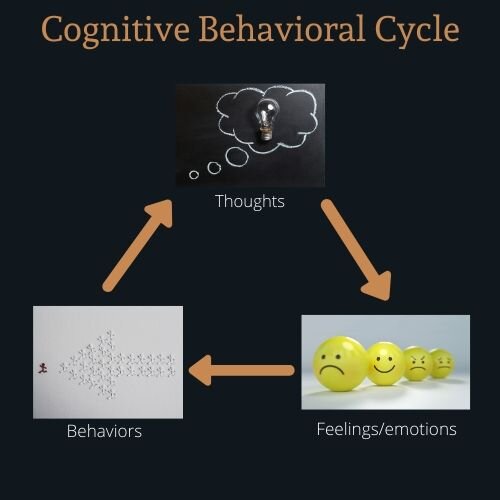
Environmental cues also play a part. Seeing an advertisement for a snack, walking past a bakery, or even just seeing food on the counter can trigger a sudden craving. These external signals can bypass our logical thinking and tap directly into the brain's reward centers.
The Body's Response
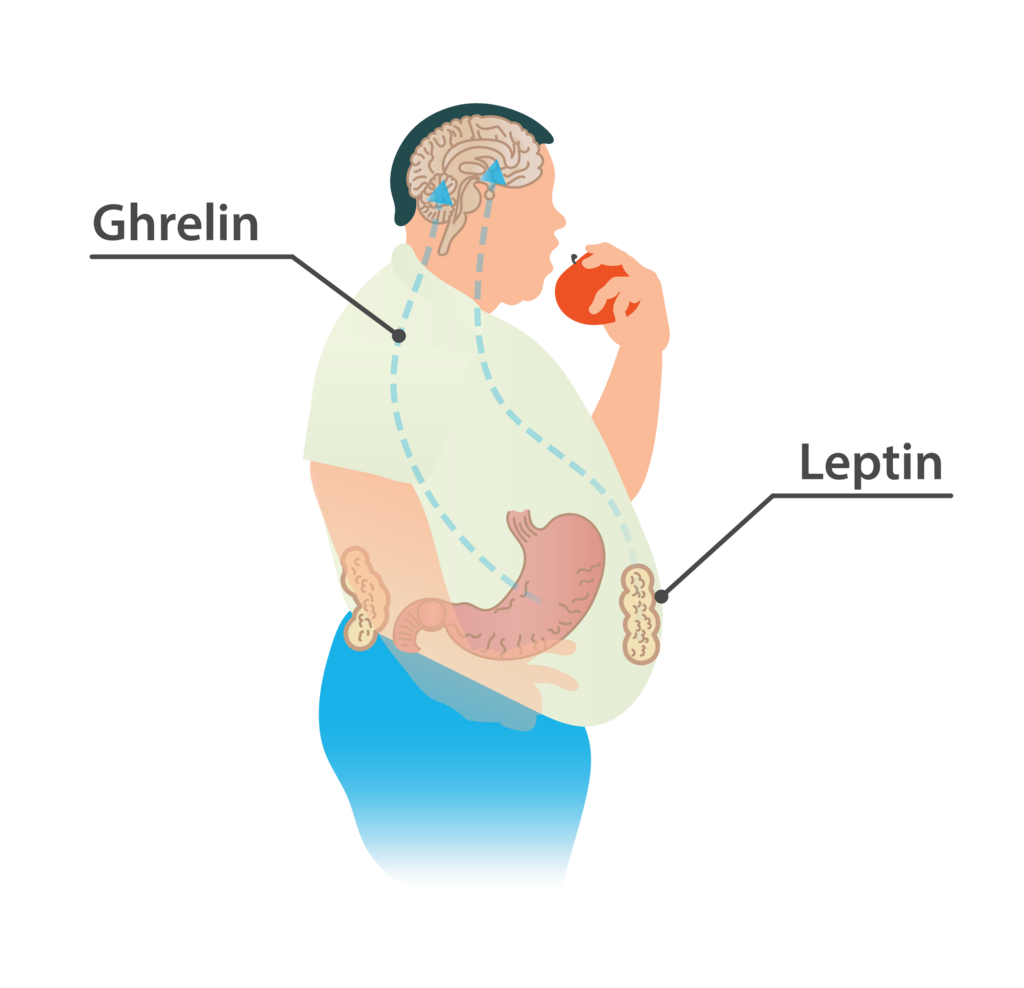
Physiology underpins these impulses. Your body has a complex system for regulating hunger, involving hormones like ghrelin, which signals hunger, and leptin, which signals fullness. Stress and poor sleep can disrupt the balance of these hormones, leading to increased hunger signals and diminished feelings of satiety, making it harder to resist the urge to eat.
Furthermore, highly palatable foods—those rich in sugar, salt, and fat—activate the dopamine pathways in our brain. Dopamine is a neurotransmitter associated with pleasure and reward. When you eat these foods, your brain releases dopamine, creating a feeling of pleasure. This reinforces the behavior, making you more likely to seek out the same foods the next time you feel down or stressed. Over time, the brain can come to depend on this source of reward, strengthening the habit of impulsive eating.
Impact on Well-Being
The consequences of regular impulsive overeating extend beyond physical health. While it can lead to weight gain and increase the risk for conditions like heart disease and type 2 diabetes, the impact on mental well-being is often more immediate.
After an episode of overeating, it's common to experience feelings of guilt, shame, and self-criticism. This can create a damaging cycle: you feel bad, so you eat to cope, and then you feel worse because you've eaten. This pattern can erode self-esteem and contribute to anxiety and depression.
This cycle can also affect your quality of life. You might start avoiding social situations that involve food or feel self-conscious about your body. The mental energy spent battling food urges and dealing with the emotional aftermath can be exhausting, leaving less room for positive experiences and relationships.
Now, let's review the key concepts we've covered.
Ready to test your knowledge?
Impulsive overeating is primarily a response to which of the following?
The stress hormone cortisol can create a feedback loop by increasing appetite, especially for foods high in __________.
Understanding the 'why' behind impulsive overeating is the first step. By recognizing the emotional, environmental, and physiological drivers, you can begin to see the behavior not as a personal failing, but as a complex response that can be understood.