Conquering Chronic Stress and Burnout with CBT
Understanding Stress and Burnout
The Nature of Stress
Stress is your body's natural response to any demand or threat. Think of it as an internal alarm system. When you face a challenge, like a looming deadline or a difficult conversation, your brain triggers a 'fight-or-flight' response. This isn't just a feeling; it's a physical event.
Your adrenal glands release hormones, primarily cortisol and adrenaline. Your heart pounds faster, muscles tighten, blood pressure rises, and your senses become sharper. These changes help you deal with the threat by giving you a burst of energy and focus. In short bursts, this system is incredibly useful for navigating life's challenges.
The key takeaway is that stress itself isn't inherently bad. It's a survival mechanism designed to protect you.
Acute vs. Chronic Stress
The duration of stress is what separates the helpful from the harmful. There are two main types: acute and chronic.
Acute stress is short-term. It's the pressure you feel before an important presentation or while trying to avoid a traffic accident. It comes on quickly and, once the situation is resolved, your body returns to its normal state. This type of stress can be exciting and even motivating, pushing you to perform at your best.
Chronic stress is a different story. It’s long-term and persistent, stemming from situations that feel endless, like a toxic work environment, financial worries, or an unmanageable workload. When the stress alarm stays on day after day, your body never gets a clear signal to return to normal. This constant state of activation begins to wear you down.
| Feature | Acute Stress | Chronic Stress |
|---|---|---|
| Duration | Short-term, temporary | Long-term, constant |
| Cause | Specific, immediate events (e.g., a deadline) | Ongoing situations (e.g., heavy workload) |
| Effect | Can be motivating, enhances focus | Draining, leads to exhaustion and health problems |
| Resolution | Ends when the event is over | Feels inescapable, continues indefinitely |
From Stress to Burnout
When chronic stress goes unmanaged, it can lead to burnout. Burnout is a state of emotional, physical, and mental exhaustion. It's more than just feeling tired; it’s a sense of being completely drained and having nothing left to give.
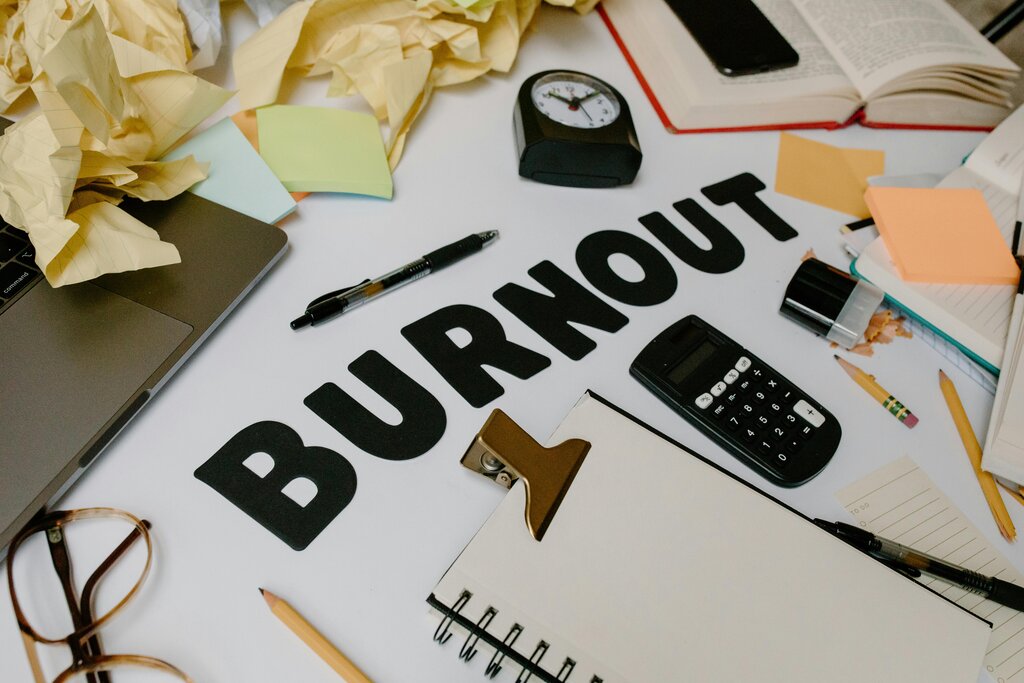
Psychologists identify three main signs of burnout:
- Exhaustion: A profound sense of physical and emotional depletion. You might feel tired all the time, regardless of how much you sleep.
- Cynicism and Detachment: Feeling negative, irritable, and distant from your job and colleagues. You might lose enjoyment in your work and feel resentful.
- Reduced Professional Efficacy: A feeling of incompetence and a lack of achievement. You start to doubt your abilities and may feel like your contributions don't matter.
Recognising psychological stress symptoms is the first step in managing stress effectively.
A Widespread Issue
Burnout isn't limited to a few high-pressure professions. While common in fields like healthcare and emergency services, it affects people across all industries, from tech and finance to education and retail. The impact is significant, affecting not only an individual's health but also their productivity and engagement at work.
Unchecked, burnout can contribute to serious health issues, including anxiety, depression, and heart disease. Recognizing the early signs in yourself and others is crucial. It’s a signal that something needs to change, either in your environment or in your approach to managing stressors.
Now that you understand the key differences between stress and burnout, let's test your knowledge.
What is the primary function of the body's 'fight-or-flight' response?
Which of the following best describes the difference between acute and chronic stress?