Conquer Your Debt
Understanding Personal Debt
What Is Debt?
Debt is money you owe to someone else. When you borrow money, whether it's to buy a house, pay for college, or cover a purchase on a credit card, you're taking on debt. You agree to pay back the amount you borrowed, usually with an extra fee called interest.
It’s easy to think of debt as a bad thing, but it’s more neutral than that. It’s a financial tool that can help you achieve major goals you couldn't afford otherwise. A mortgage helps you buy a home, and a student loan can open the door to education. The key is understanding and managing it.
Debt is not inherently harmful; it is a tool.
Common Forms of Debt
Personal debt comes in many shapes and sizes. Each type has its own purpose, terms, and rules.
Credit Card Debt: This is one of the most common forms of debt. When you swipe a credit card, the card issuer pays the merchant for you. You then owe that money back to the issuer. If you don't pay the full balance by the due date, interest charges are added, which can grow quickly.
Student Loans: These are loans taken out to pay for higher education expenses, like tuition, books, and living costs. They can come from the government or private lenders and are a major investment in your future earning potential.
Mortgages: A mortgage is a long-term loan used to buy a home or other real estate. The property itself serves as collateral, meaning the lender can take possession of it if you fail to make payments. For most people, a mortgage is the largest debt they will ever have.
Personal Loans: These are versatile loans from a bank, credit union, or online lender that can be used for almost anything—consolidating other debts, financing a large purchase, or covering an unexpected expense. They can be secured with collateral or unsecured, which usually means a higher interest rate.

Why Debt Happens
People take on debt for many reasons. Sometimes it's a planned decision, and other times it's a necessity. Major life investments, like buying a home or attending college, are common and often sensible reasons to borrow money.
Unexpected emergencies can also lead to debt. A sudden medical bill, a major car repair, or a job loss can force you to borrow money to get by. These situations are often unavoidable and highlight the importance of having an emergency fund.
Lifestyle choices play a role, too. Spending more than you earn, often called lifestyle inflation, can lead to a reliance on credit cards to fill the gap. While society often encourages consumption, it's important to align spending with your actual income.
The Weight of Debt
Carrying debt can have a significant impact on your life, affecting both your finances and your well-being. Financially, a large portion of your income may go toward debt payments instead of savings or other goals. High interest rates can make it feel like you're barely making a dent in the principal amount you owe, trapping you in a cycle of payments.
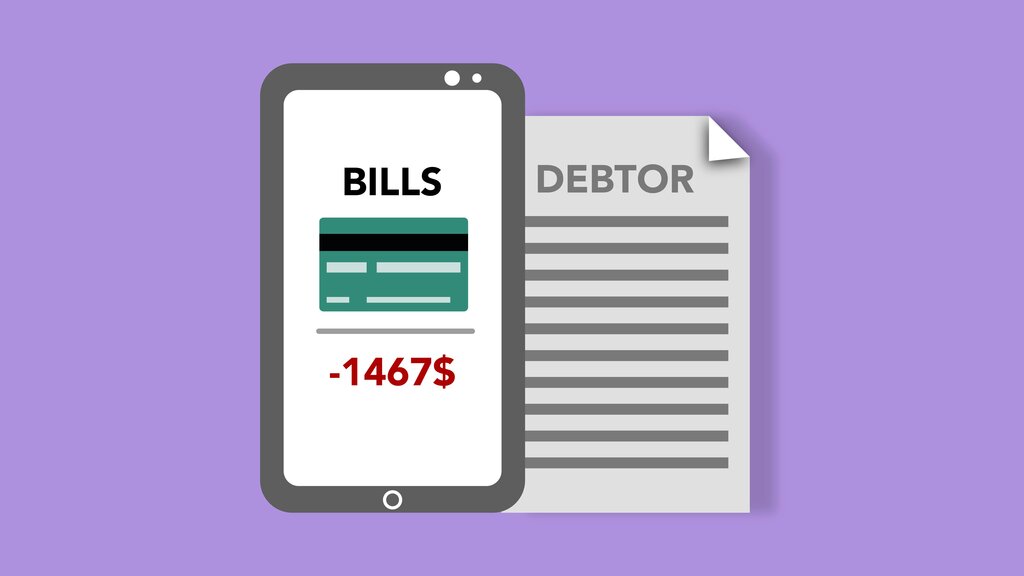
The psychological effects can be just as serious. Worrying about money is a major source of stress and anxiety. It can strain relationships and affect your mental health, making it hard to focus on other areas of your life. This financial stress is a heavy burden to carry every day.
Society's view on debt is often contradictory. On one hand, borrowing is presented as normal and necessary for big purchases. On the other, being in debt can carry a sense of shame or failure. Understanding that many people have debt can help remove this stigma.
The first step to managing debt is simply acknowledging it. You can't fix a problem until you understand its full scope.
Ready to check your understanding of the basics of personal debt?
What is the extra fee, typically a percentage of the amount borrowed, that you pay for the service of using someone else's money?
Which of the following is a type of debt that is typically secured by the property it is used to purchase?
Knowing what debt is, where it comes from, and how it affects you is the foundation for building a healthier financial future.