Conquer Your Clutter
Understanding Clutter
More Than Just Mess
We often think of clutter as a stack of old magazines or a closet bursting with clothes. That’s certainly part of it, but clutter is more than just physical stuff. It's anything that gets in the way of the life you want to live. It's the excess that complicates, distracts, and weighs you down.
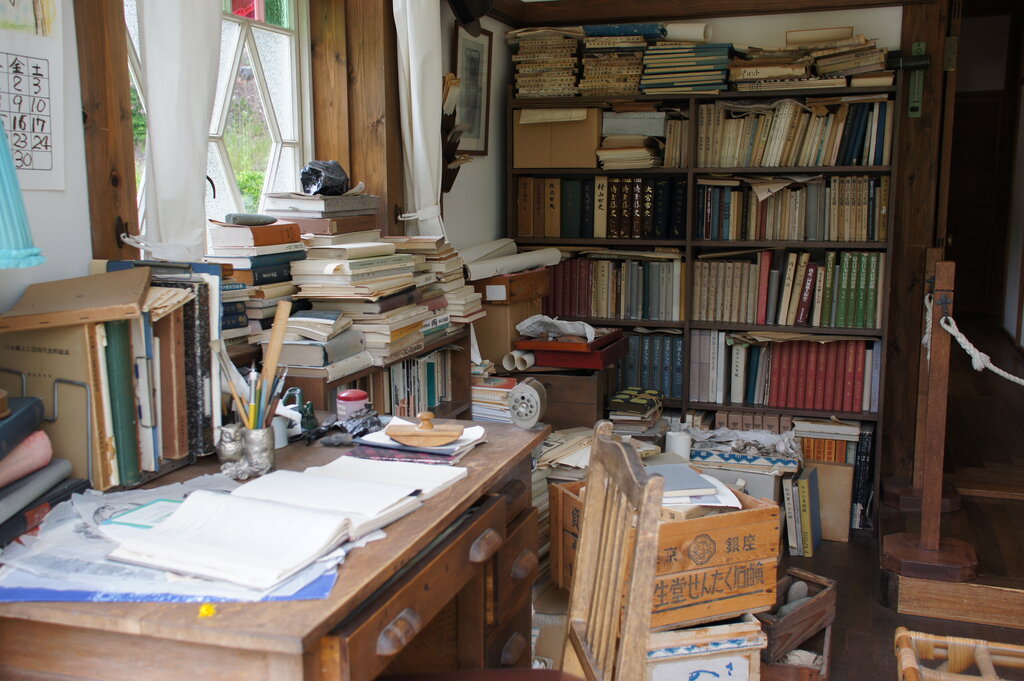
This excess shows up in three main areas.
Physical Clutter: This is the most visible kind. It's the pile of mail on the counter, the unworn shoes in the hallway, and the kitchen gadgets you never use. It's any object that takes up space without adding value.
Digital Clutter: Your computer desktop is covered in random files. Your phone is full of apps you don't use. Your email inbox has thousands of unread messages. This digital mess can be just as distracting and stressful as a messy room.
Emotional Clutter: This type is invisible. It consists of worries about the future, regrets about the past, and mental to-do lists that never seem to end. It's the baggage that clutters our minds and keeps us from feeling clear and focused.
Clutter isn’t just a physical problem; it’s also a psychological one.
Why We Hold On
If clutter causes problems, why do we let it build up? The reasons are often tied to our emotions and thought patterns. We're not lazy or disorganized; we're human.
One major reason is sentimental attachment. An item might remind us of a special person or a happy memory. We're afraid that letting go of the object means letting go of the memory, even though the memory lives in us, not the thing itself.
Another common cause is the “just in case” mindset. We hang on to things we don’t currently need because we think we might need them someday. This is rooted in a fear of scarcity or a desire to be prepared for any possible future. We imagine a scenario where that old phone charger or half-empty bottle of paint will be exactly what we need, so it stays.
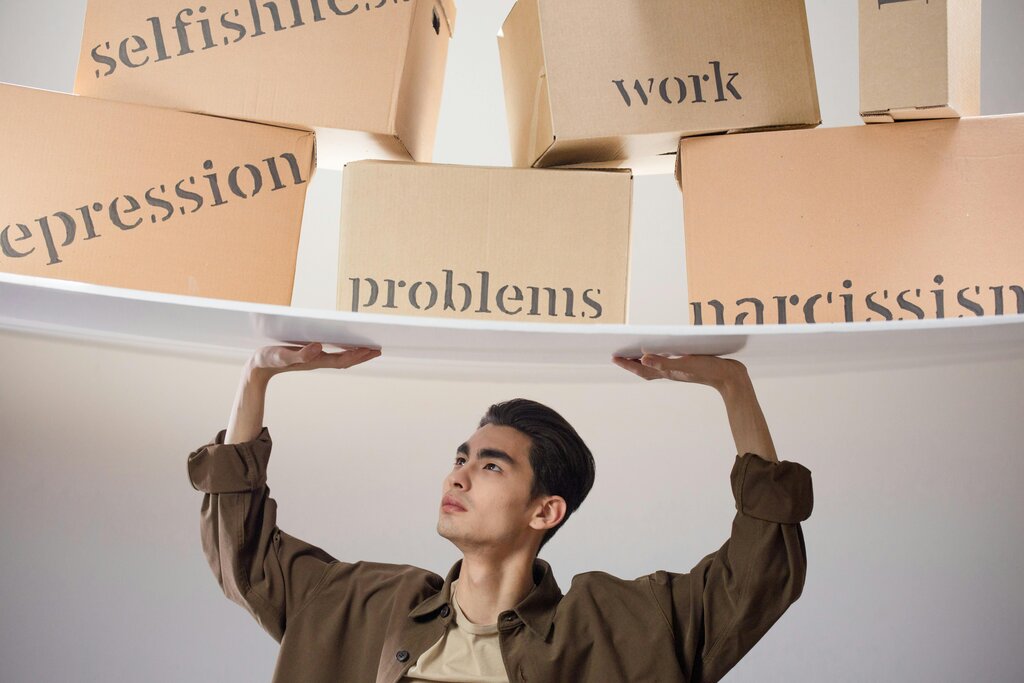
Sometimes, our possessions become tied to our identity. You see yourself as an avid reader, so you keep every book you've ever owned, even the ones you didn't like. Or you identify as a crafter, so you accumulate supplies for projects you may never start. The stuff reinforces who we believe we are, or who we aspire to be.
Finally, there's simple decision fatigue. Every item we own requires a decision: keep it, toss it, or find a proper home for it. When we’re already tired from making choices all day, it feels easier to just put something down on the nearest flat surface and avoid the decision altogether.
The Daily Toll
Living with clutter has real, measurable effects on our daily lives. It's not just about aesthetics; it impacts our minds, our time, and our wallets.
A cluttered environment constantly bombards our brains with stimuli. This makes it difficult to focus on a single task, leading to distraction and reduced productivity. Your brain has to work harder to filter out irrelevant information, which can be mentally exhausting.
Clutter overwhelms your brain with too much information, which reduces focus, increases stress, and triggers decision fatigue.
This constant low-grade chaos can increase levels of cortisol, the stress hormone. You might feel a subtle but persistent sense of being overwhelmed, anxious, or even guilty about the state of your space. The mess becomes another item on your endless to-do list, creating a cycle of stress.
Practically speaking, clutter costs us time and money. We waste precious minutes every day looking for lost keys, phones, or important documents. We also end up buying duplicates of things we already own but can't find. All of this adds unnecessary friction to our daily routines.
By understanding what clutter is and why it appears, we can start to see it not as a personal failing, but as a common challenge with clear causes and effects.