Conquer Stress With Daily Meditation
Understanding Chronic Stress
The Never-Ending Alarm
Your body has a built-in alarm system. When you face a threat, like a car swerving into your lane, your hypothalamus sends out signals. This triggers a flood of hormones, including adrenaline and cortisol. Your heart pounds, your muscles tighten, and your senses sharpen. This is the classic “fight-or-flight” response. It’s designed to help you survive immediate danger. Once the threat passes, your systems are supposed to return to normal.
But what if the alarm never turns off? This is chronic stress. It happens when the situations that cause stress are constant and you don't get a chance to recover. Unlike the jolt of nearly getting into an accident, chronic stressors are often more subtle and persistent. They can be things like a high-pressure job, financial worries, or a difficult relationship.
stressor
noun
An event, condition, or stimulus that causes a stress response.
With chronic stress, your body stays in a state of high alert. The constant activation of your stress response system, day after day, can disrupt almost all your body's processes. It’s not about one big event, but the slow, steady drip of pressure that wears you down over time.
The Body on High Alert
The main pathway for the stress response is the hypothalamic-pituitary-adrenal (HPA) axis. Think of it as the command center. When your brain perceives a stressor, the HPA axis is activated and tells your adrenal glands to release cortisol, the primary stress hormone.
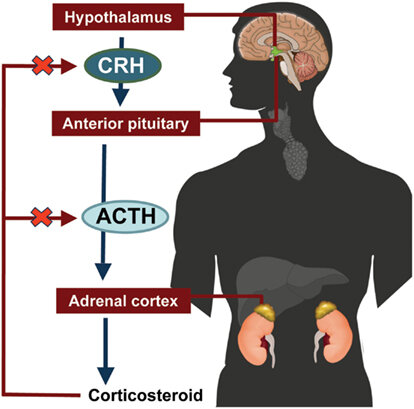
In a healthy response, cortisol levels rise to meet a challenge and then fall back to baseline. But with chronic stress, the HPA axis can become dysregulated. This leads to a sustained high level of cortisol, which can have damaging effects throughout the body.
A constantly elevated cortisol level can suppress the immune system, making you more susceptible to infections and colds. It can upset your digestive system, leading to problems like stomachaches, heartburn, or irritable bowel syndrome. Over time, it also increases your risk for more serious health issues, including high blood pressure, heart disease, diabetes, and obesity.
When Your Mind Can't Rest
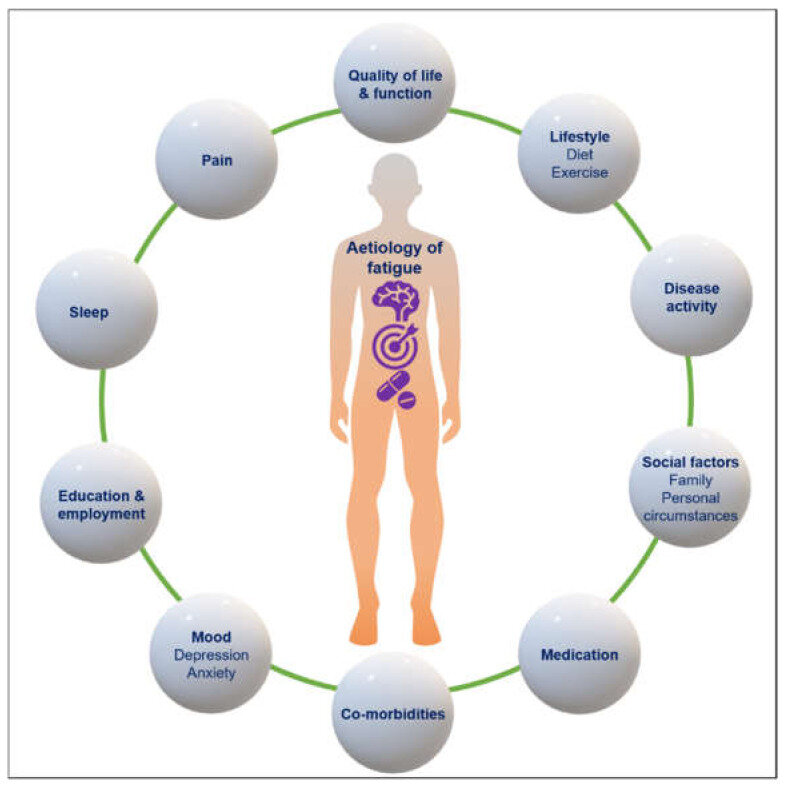
Chronic stress doesn't just affect your physical health; it takes a significant toll on your mind. The constant feeling of being under pressure can lead to persistent anxiety, irritability, and a sense of being overwhelmed. You might find yourself snapping at people or feeling constantly on edge.
It can also contribute to more serious mental health conditions like depression. The brain regions responsible for mood and memory, such as the hippocampus, can be negatively affected by long-term exposure to cortisol. This can make it difficult to concentrate, learn new things, or make decisions. You might feel forgetful or
It's not just a feeling. Chronic stress can physically alter your brain's structure and function.
The psychological burden is immense. Living with chronic stress often means dealing with a constant stream of worry. Sleep problems are common, as racing thoughts can make it hard to wind down. This lack of restorative sleep only worsens the cycle, leaving you feeling exhausted and less equipped to handle the next day's stressors.
A Modern Problem
The sources of chronic stress are woven into the fabric of modern life. Common causes include:
- Work pressure: Demanding jobs, long hours, and job insecurity.
- Financial problems: Debt, unexpected expenses, and the struggle to make ends meet.
- Relationship difficulties: Conflict with a partner, family members, or friends.
- Major life changes: Events like moving, divorce, or the death of a loved one.
- Systemic issues: Discrimination, social isolation, and living in an unsafe environment.
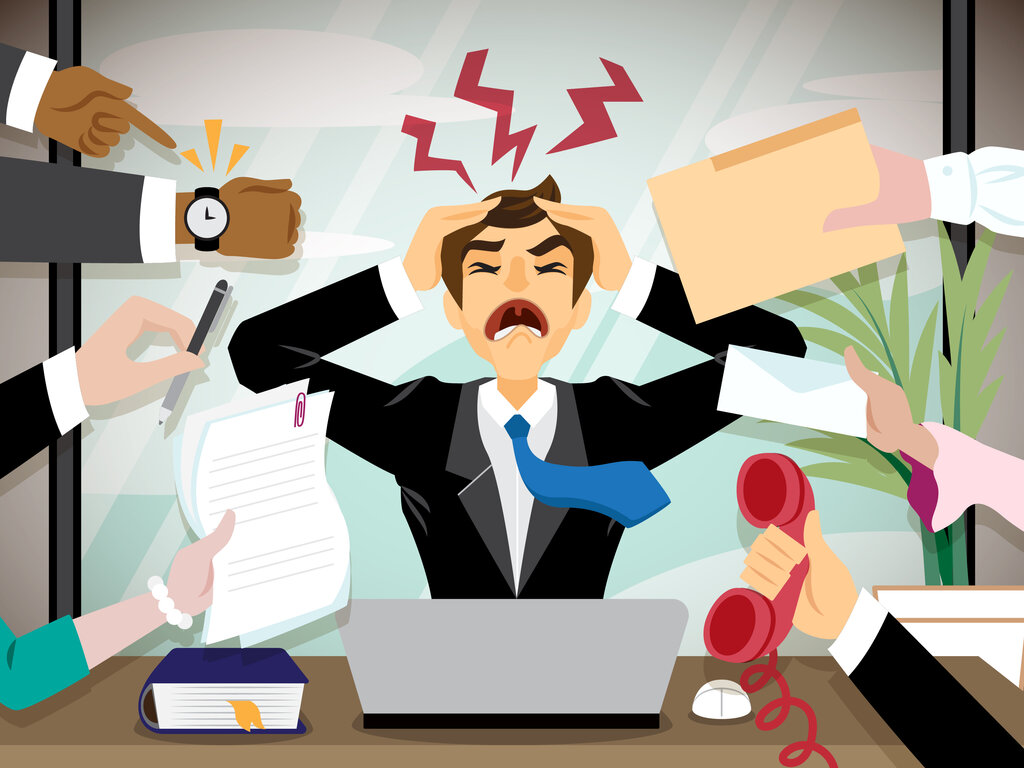
Because these stressors are often ongoing, they can feel inescapable. In today's fast-paced, always-on culture, it’s increasingly common for people to feel like they are constantly juggling too much. The expectation to be productive and available 24/7, fueled by technology, adds another layer of pressure. This has made chronic stress a widespread health concern, affecting people across all ages and demographics.
What is the primary difference between the body's acute "fight-or-flight" response and chronic stress?
Which of the following is NOT described as a potential physical consequence of long-term elevated cortisol levels?
Understanding what chronic stress is and how it impacts you is the first step. It’s not just a bad day or a tough week; it's a prolonged state that can have serious consequences for your well-being.