Conquer Stress Through Daily Meditation
Understanding Stress
What is Stress?
Stress is your body's natural response to demands or threats. Think of it as an internal alarm system. When you face a challenge, like swerving to avoid a car or speaking in public, this system kicks in. This short-term, immediate reaction is called acute stress. It can be helpful, sharpening your focus and boosting your energy to handle the situation.
But what happens when the alarm system never shuts off? That's chronic stress. It’s not caused by a single event, but by long-term exposure to stressors. This could be anything from a demanding job and financial worries to relationship troubles or persistent loneliness. The body stays in a state of high alert, and over time, this constant strain takes a toll.
Stressor
noun
An event, situation, or stimulus that causes a stress response.
The Body Under Pressure
When you perceive a threat, your brain's hypothalamus sets off that alarm. This triggers a cascade of nerve and hormone signals, famously known as the "fight-or-flight" response. Your adrenal glands release hormones, including adrenaline and cortisol.
Adrenaline increases your heart rate, elevates your blood pressure, and boosts energy supplies. Cortisol, the body’s primary stress hormone, increases sugars (glucose) in the bloodstream, enhances your brain's use of glucose, and curbs functions that would be nonessential in a fight-or-flight situation. It alters immune system responses and suppresses the digestive system, the reproductive system, and growth processes.
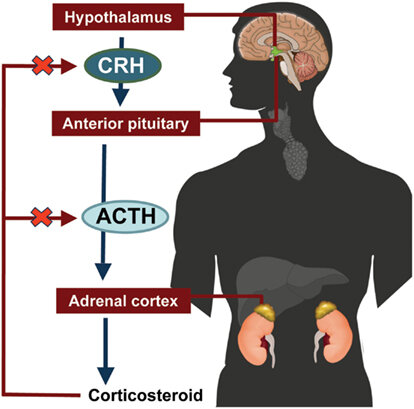
This system is brilliant for handling short-term emergencies. But with chronic stress, the ongoing activation of this response can disrupt almost all your body's processes. This puts you at increased risk for many health problems, including:
- High blood pressure
- Heart disease
- Digestive issues
- Weakened immune system
- Headaches
- Sleep problems
The Mind on Overload
Chronic stress doesn't just affect your body; it wears down your mind, too. The constant flood of stress hormones can leave you feeling mentally exhausted and emotionally raw. It rewires the brain, making you more vulnerable to anxiety and depression.
You might find it hard to concentrate or make decisions. Memory can become fuzzy, and you may feel irritable or moody for no clear reason. This mental fog and emotional volatility are direct consequences of a brain that's been running a marathon without a finish line.
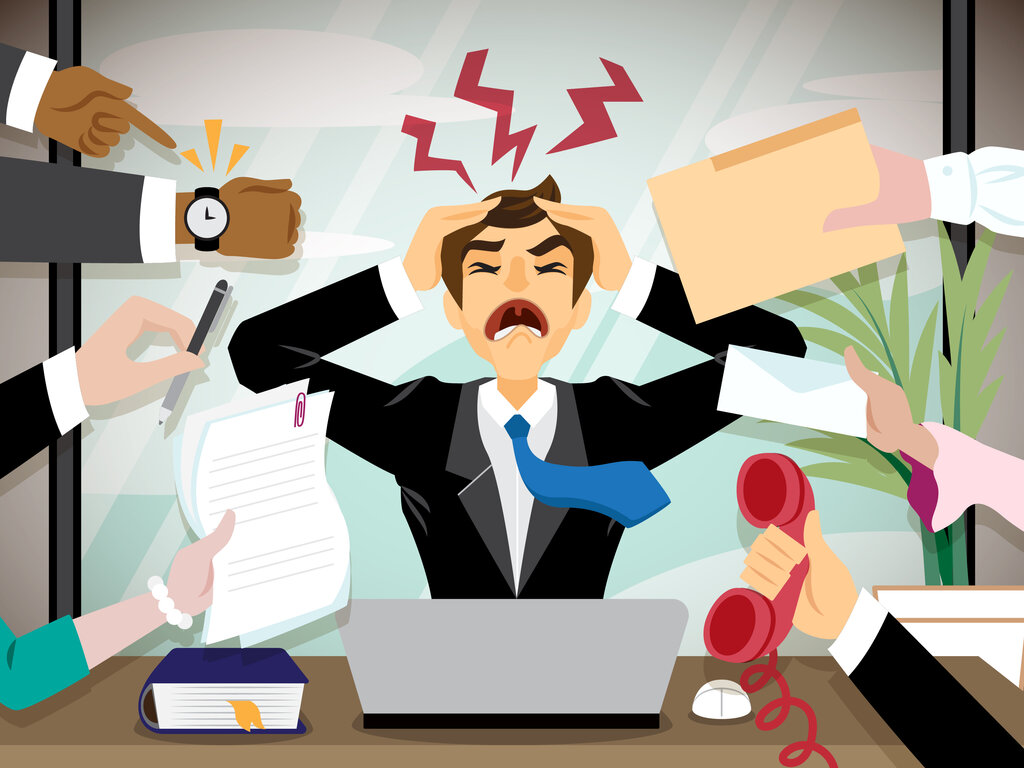
This creates a vicious cycle. The psychological effects of stress, like poor concentration and irritability, can make it harder to deal with the very stressors causing the problem. Feeling overwhelmed makes it difficult to manage a heavy workload, which in turn creates more stress.
Why Stress Management Matters
Understanding how chronic stress impacts your body and mind is the first step toward taking control. Managing stress isn't about eliminating it entirely—that's impossible. Instead, it’s about learning to counteract its harmful effects and prevent it from running your life.
Developing coping mechanisms helps reset your internal alarm system. It allows your body and mind to recover from the constant state of high alert. Effective stress management is crucial for long-term health, improving not just your mood but your physical resilience as well.
Taking steps to manage your stress levels and maintaining healthy habits like eating a well-balanced diet, exercising, and getting enough sleep, are some things that may help.
Let's review what we've covered about the nature of stress.
What is the key difference between acute and chronic stress?
During the "fight-or-flight" response, what is the primary role of the hormone cortisol?
By recognizing the signs of chronic stress, you can begin to address its root causes and build healthier responses. This foundation is key to improving your overall well-being.