Conquer Stress and Burnout with CBT
Understanding Stress and Burnout
The Body's Alarm System
Stress is your body's natural reaction to a challenge or demand. When you perceive a threat, whether it's a looming deadline or a near-miss in traffic, your nervous system jumps into action. This is often called the "fight-or-flight" response.
Your brain's hypothalamus signals your adrenal glands to release a surge of hormones, including adrenaline and cortisol. Adrenaline increases your heart rate and blood pressure, boosting energy supplies. Cortisol, the primary stress hormone, increases sugars in the bloodstream and enhances your brain's use of glucose. This system is designed to help you survive dangerous situations.
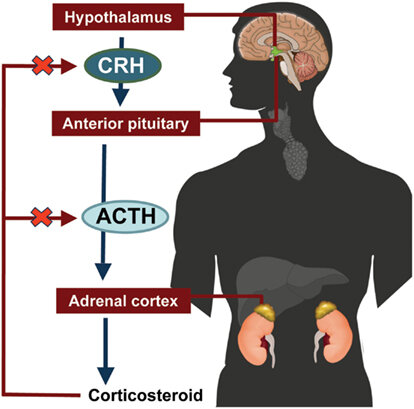
In the short term, this response is incredibly useful. It can sharpen your focus and help you perform under pressure. The trouble begins when the alarm system doesn't shut off. This persistent activation leads to a state known as chronic stress.
Chronic exposure to stress, from workplace pressures to personal challenges, can persistently elevate cortisol levels, disrupting the body's most basic functions and leading to long-term health consequences.
What is Burnout?
Burnout is a specific type of work-related stress. It's a state of physical, emotional, or mental exhaustion combined with doubts about your competence and the value of your work. It's not just about having a few bad days; it's a gradual process that occurs over a long period of time.
Think of it this way: if chronic stress is like revving a car's engine for too long, burnout is when the engine finally gives out.
The World Health Organization recognizes burnout as an "occupational phenomenon." It isn't classified as a medical condition, but it is a significant factor impacting health. Researchers often point to three main dimensions of burnout:
| Dimension | Description |
|---|---|
| Exhaustion | Feeling drained and depleted of emotional and physical energy. |
| Cynicism | Developing a negative or detached attitude toward your job. |
| Inefficacy | A sense of lacking accomplishment and professional competence. |
These feelings don't just stay at the office. They can spill over into your personal life, affecting relationships and your overall well-being.

Causes and Consequences
While any job can lead to burnout, certain factors increase the risk. A heavy workload and long hours are common culprits. However, the causes often go deeper.
A lack of control or autonomy over your work, unclear job expectations, and a dysfunctional workplace dynamic can all contribute. Working in a role that doesn't align with your personal values or receiving insufficient social support from colleagues and supervisors can also pave the way for burnout.
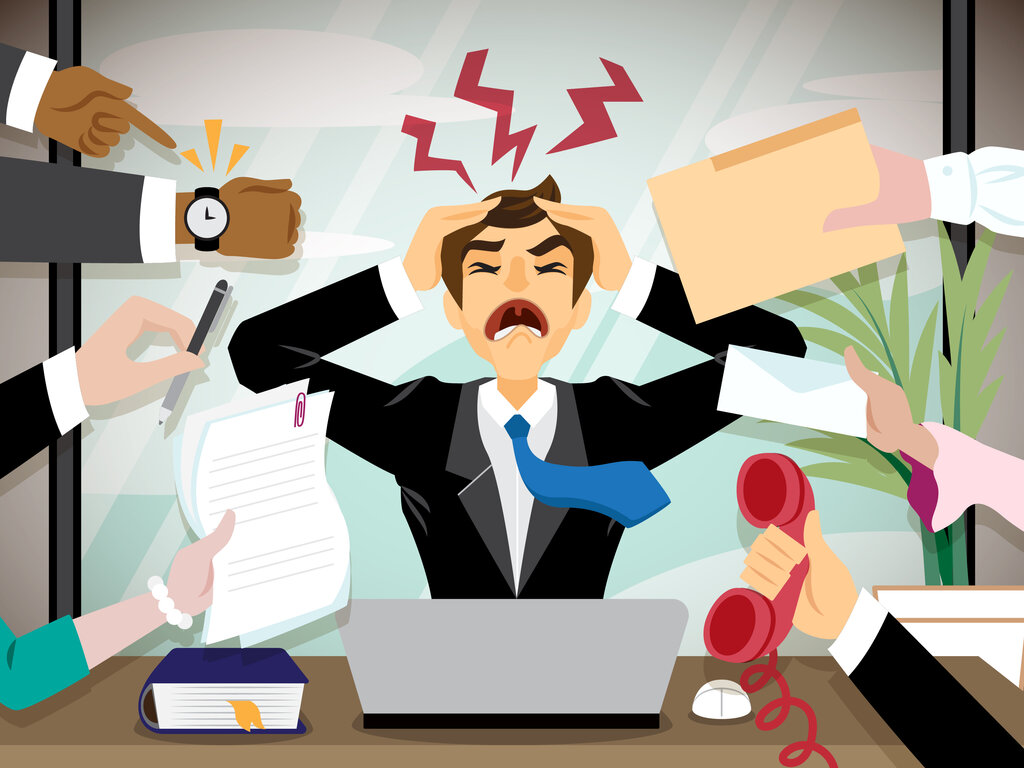
The consequences of unchecked stress and burnout are serious. Physically, they can lead to fatigue, insomnia, headaches, and increased susceptibility to illness. Mentally, they are linked to anxiety, depression, and a loss of enjoyment in activities you once loved. This isn't just an individual problem; it has a broad societal impact, leading to reduced productivity, increased healthcare costs, and high employee turnover across many industries.
Now, let's test your understanding of these concepts.
What is the primary stress hormone responsible for increasing sugars in the bloodstream and enhancing the brain's use of glucose during a 'fight-or-flight' response?
According to the World Health Organization, burnout is officially classified as a medical condition.