Conquer Imposter Syndrome
Understanding Imposter Syndrome
What Is Imposter Syndrome?
Have you ever felt like you don't deserve your success? Or that any moment, someone will discover you're not as smart or capable as they think? If so, you've experienced a taste of imposter syndrome.
imposter syndrome
noun
A psychological pattern in which an individual doubts their skills, talents, or accomplishments and has a persistent internalized fear of being exposed as a fraud.
It’s not a formal mental health diagnosis, but rather a persistent feeling of intellectual phoniness. People who experience it are often high-achievers who find it impossible to accept their own accomplishments. No matter how much external proof there is of their competence, they remain convinced that they are frauds and do not deserve the success they have achieved.
The core of imposter syndrome is the feeling that you've fooled everyone into overestimating your abilities, and you live in fear of being found out.
Common Signs and Symptoms
Imposter syndrome can manifest in several ways. While it looks different for everyone, some common patterns emerge. Recognizing them is the first step to understanding the experience.
One major sign is attributing success to external factors. You might believe you only got the job because you got lucky, or that you passed the exam because it was easy, not because you were prepared. It’s a constant discounting of your own skills and efforts.
This often leads to a cycle of self-doubt and over-preparation. To prevent anyone from discovering you're a "fraud," you might spend hours perfecting a project, far beyond what is necessary. This perfectionism isn't about striving for excellence; it's rooted in anxiety about being good enough.
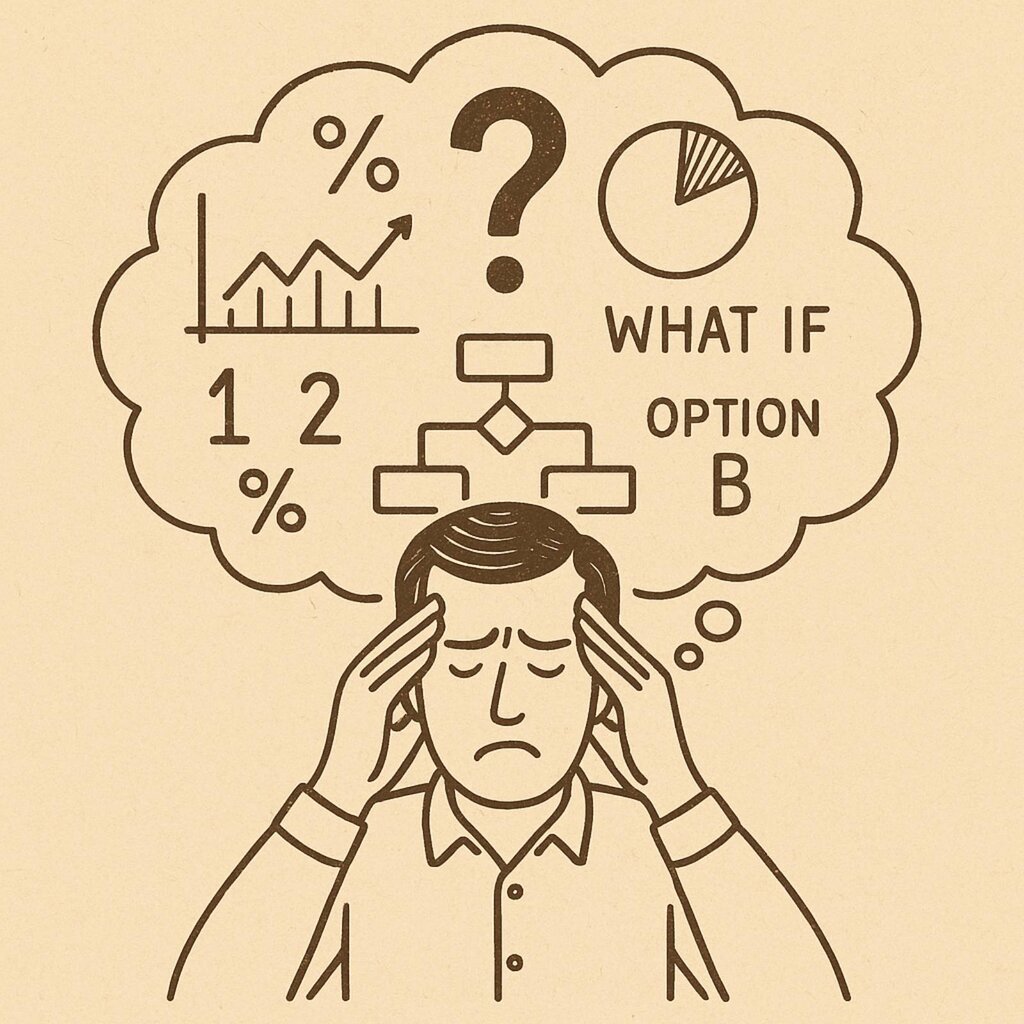
Other common characteristics include:
- Fear of failure: An intense worry about not being able to meet expectations.
- Downplaying success: Saying things like, “Oh, it was nothing,” when praised for an achievement.
- Difficulty accepting praise: Feeling uncomfortable or dismissive when receiving positive feedback.
- Comparing yourself to others: Believing that everyone else is more intelligent or capable than you are.
Who Does It Affect?
Imposter syndrome can affect anyone, from students to C-level executives. It doesn't discriminate based on profession, background, or level of expertise. In fact, it is often the most accomplished people who feel it most acutely.
It is particularly common during times of transition. Starting a new job, getting a promotion, or switching careers can trigger these feelings of inadequacy. When you're in a new environment, it's easy to feel like you don't belong or that you aren't prepared for the challenges ahead.
Impostor syndrome is a reasonable reaction to the challenge of changing careers.
Certain environments can also foster imposter syndrome. Highly competitive fields or workplaces that lack psychological safety can amplify feelings of self-doubt. When everyone around you seems to have it all together, it's easy to feel like you're the only one who is struggling.
The Professional and Psychological Impact
Living with the constant fear of being exposed takes a toll. Psychologically, it can lead to chronic stress, anxiety, and even depression. The pressure to maintain the "facade" is exhausting and can lead to burnout as you continually push yourself to over-prepare and overachieve.
Professionally, imposter syndrome can hold you back. It might prevent you from speaking up in meetings, applying for a promotion, or taking on new challenges. You might turn down opportunities because you feel unqualified, even when you have the skills to succeed. This self-imposed limitation can stifle career growth and prevent you from reaching your full potential.
Ultimately, it robs you of the ability to enjoy your own success. Instead of feeling pride in your accomplishments, you feel relief that you weren't found out—this time.

Understanding these feelings is not about finding a flaw in yourself. It's about recognizing a common psychological pattern that many successful people navigate. Acknowledging its presence is the starting point for addressing its impact.