Conquer Army SFAS as a First Lieutenant
SFAS Overview
The Gateway to Special Forces
The Special Forces Assessment and Selection (SFAS) course is not a school where you learn skills. It’s a 24-day job interview. The goal is simple: to find soldiers who have the raw attributes needed to succeed in the Special Forces Qualification Course and, ultimately, as a Green Beret. It is a grueling physical and mental test designed to see who has the right stuff when pushed to their absolute limits.
SFAS is designed to weed people out, not to build them up. Candidates are expected to arrive with everything they need to succeed.
The entire course is an evaluation. Cadre, the instructors and evaluators, are always watching. They observe how candidates perform when they are tired, hungry, cold, and uncertain. The environment is intentionally stressful to simulate the pressures of special operations missions.
What They're Looking For
SFAS evaluates candidates across several key domains. Evaluators are looking for the "whole man," a candidate who demonstrates a blend of critical attributes rather than excelling in just one area.
Key Assessment Areas:
- Physical Endurance: The ability to perform consistently under heavy physical loads for long durations.
- Mental Resilience: Grit, determination, and the capacity to function effectively under high stress and ambiguity.
- Intelligence: Practical problem-solving skills and the ability to think clearly when fatigued.
- Leadership & Teamwork: The capacity to lead, follow, and work collaboratively with others toward a common goal, often without designated leaders.
These attributes are not assessed in isolation. A land navigation exercise, for example, tests physical endurance, mental resilience, and individual problem-solving all at once. A team event measures physical strength, but more importantly, it reveals a candidate's interpersonal skills and leadership potential under duress.
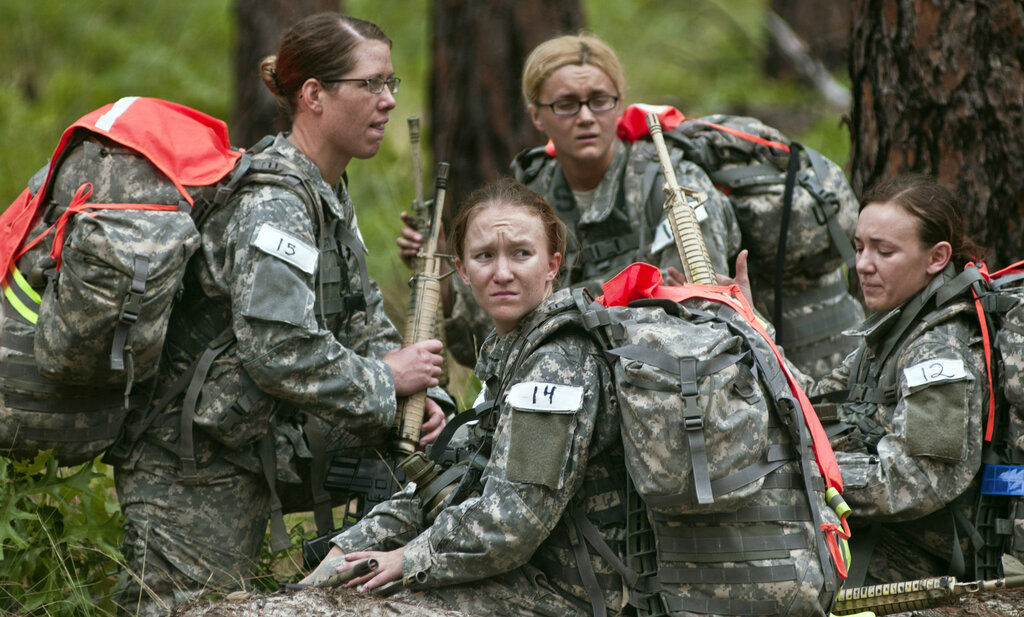
Key Course Events
While the exact schedule and events can change, the SFAS course is built around several core components designed to test candidates thoroughly.
Candidates begin with a battery of standard fitness tests. These are just the entry ticket; the real test is maintaining a high level of physical output for the entire 24 days.
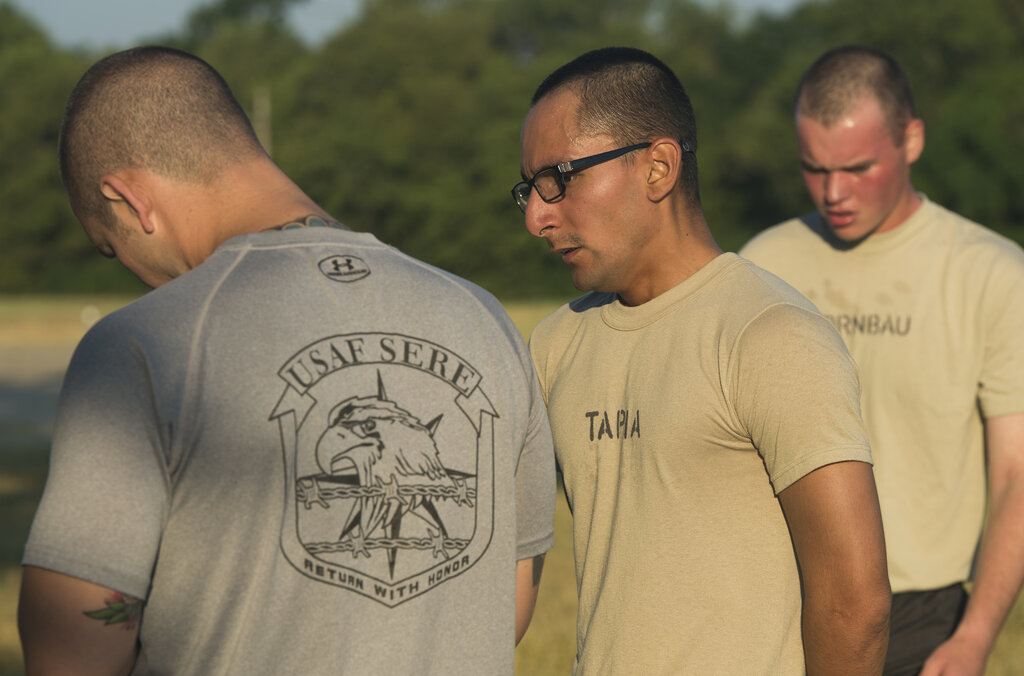
A significant portion of SFAS is dedicated to land navigation. Candidates must navigate from point to point, alone, over rough terrain, carrying a heavy rucksack. They do this day and night, often with tight time limits. This phase is notorious for testing a soldier's resilience and ability to stay calm and think clearly under pressure.
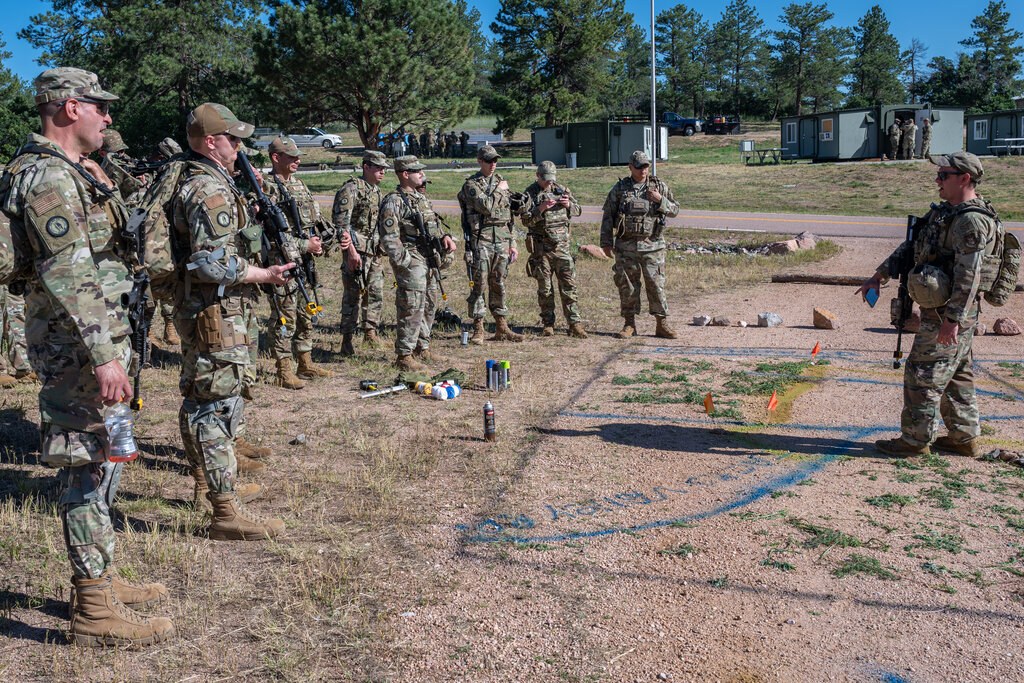
Team events are another critical component. Small groups of candidates are given a difficult problem to solve, like moving a heavy object over an obstacle. These events are often designed to be frustrating and may have no clear solution. The cadre are watching to see who emerges as a leader, who contributes positively, and who breaks down under the strain. There are no assigned leaders; it is up to the candidates to organize themselves.
These tasks assess teamwork and leadership in a leaderless environment, a key indicator of a candidate's potential to operate on a small Special Forces team.
Throughout the course, individual tasks and psychological assessments round out the evaluation. The final decision to select a candidate is based on a comprehensive view of their performance across every event.
What is the primary purpose of the Special Forces Assessment and Selection (SFAS) course?
During SFAS team events, how is leadership typically determined?