Conquer AI Hackathons
Understanding AI Hackathons
The Innovation Sprint
Imagine a marathon for builders, but instead of running, you're creating. A hackathon is an invention sprint where people with different skills—like programmers, designers, and project managers—collaborate intensely over a short period to build something new. It could be a website, an app, or a robot. The goal is to go from a rough idea to a working prototype in just a day or two.
Hackathon
noun
An event, typically lasting several days, in which a large number of people meet to engage in collaborative computer programming.
An AI hackathon adds a specific twist: every project must use artificial intelligence at its core. These events are buzzing with creative energy. Teams work against the clock to tackle a specific challenge, like building an AI tool to help doctors diagnose diseases faster or creating a system that helps farmers monitor crop health. It's less about polished, perfect products and more about clever ideas and rapid problem-solving.
Anatomy of a Hackathon
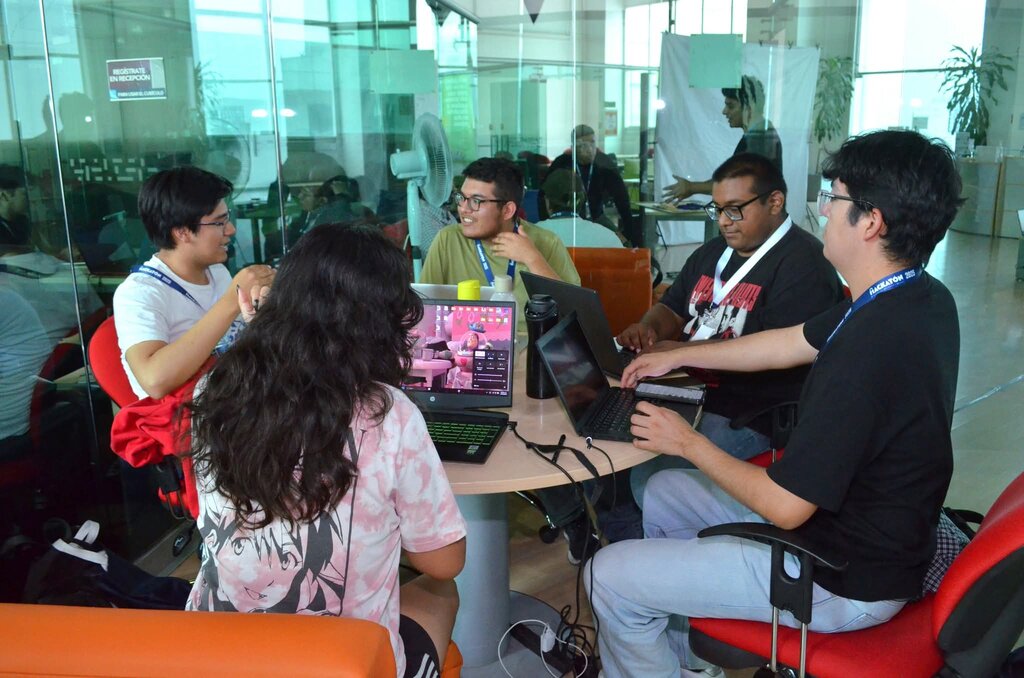
While every hackathon has its own unique flavor, most follow a similar structure. They're organized sprints designed to take teams from zero to a functional prototype in a compressed timeframe. It's a high-energy journey with distinct phases.
The event kicks off with an introduction to the theme or problem. Then comes one of the most crucial parts: forming a team. After that, it’s a whirlwind.
- Ideation: Teams brainstorm solutions. This phase is all about creativity. The best ideas are often simple, innovative, and directly address the hackathon's challenge.
- Development: This is the longest phase, where the building happens. Teams write code, design interfaces, and piece together their prototype. The focus is on creating a minimum viable product (MVP)—a basic version that demonstrates the core idea.
- Presentation: In the final hours, teams polish their project and prepare a short pitch. They present their work to a panel of judges, explaining the problem they solved, how their solution works, and why it matters. This is their moment to shine.
In a single weekend, you can learn more than in a month of classes. The hands-on, high-pressure environment forces you to learn and apply new skills on the fly.
Keys to Success
Winning a hackathon isn't just about technical skill. The most successful teams balance creativity with pragmatism. They share a few key traits.
Encourage collaboration between data scientists, software engineers, and domain experts to:
Align Goals: Ensure AI solutions address real-world problems. Enhance Communication: Use tools and practices that promote transparency and teamwork. Leverage Expertise: Incorporate insights from diverse fields to build more comprehensive solutions.
First, they define a clear, achievable objective. Instead of trying to build a massive, complex system, they focus on a single, core feature and execute it well. A small, working prototype is always more impressive than a grand but broken idea.
Second, they build diverse teams. A team of only coders might struggle with design or storytelling. A great team has a mix of skills: someone to code, someone to design the user experience, and someone to shape the narrative and present the final pitch. This synergy is often the secret ingredient.
Finally, they manage their time relentlessly. With the clock always ticking, it's vital to break the project into small, manageable tasks. Teams that plan their work, delegate tasks, and regularly check their progress are the ones that make it to the finish line with a project they're proud of.
What is the primary goal of a hackathon?
What is the defining characteristic of an AI hackathon?
Hackathons are a powerful way to innovate, learn, and connect with others in the tech community. They offer a unique, hands-on environment to turn ideas into reality.