ConPLex Protein Modeling with Chemprop
Introduction to Protein Language Models
The Language of Life
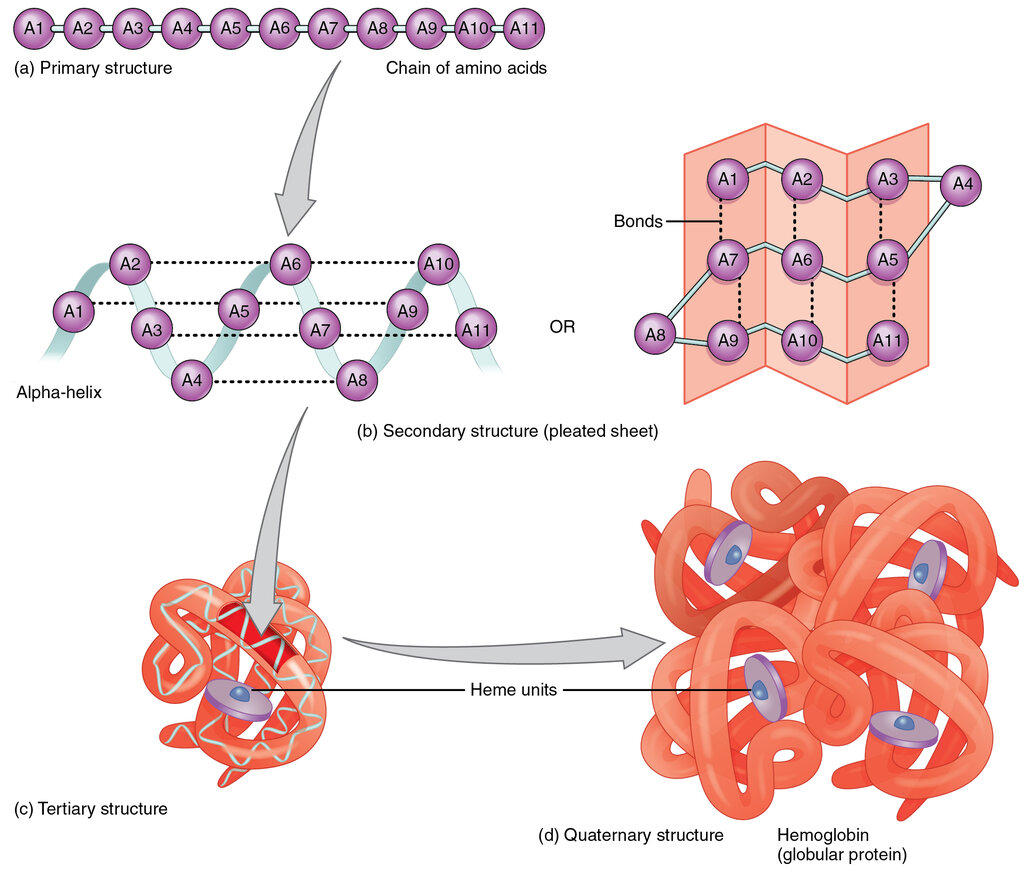
Think of a protein as a long, complex sentence. The letters that make up this sentence are called amino acids. There are 20 different kinds of amino acids, and the specific order they're in—the protein's sequence—determines what the sentence means. In biology, this meaning translates to the protein's shape and, ultimately, its job in the body.
Just as a language model like ChatGPT learns the rules of English by reading billions of sentences, a protein language model (PLM) learns the rules of biology by reading billions of protein sequences. Its goal is to understand the "grammar" of proteins: which amino acids are likely to appear together, how they form structures, and what those structures do.
A protein language model is a type of AI trained to understand the patterns and relationships within protein sequences, just like a human language model learns to understand text.
How to Teach a Machine Biology
Training a PLM starts with data—a massive amount of it. Scientists have collected enormous databases containing the sequences of millions of proteins from all forms of life, from tiny bacteria to giant whales. The model is fed these sequences, one after another.
The training process often works like a fill-in-the-blank game. The model is shown a protein sequence with some amino acids masked out. Its task is to predict the missing ones. By doing this millions of times, it starts to learn the underlying rules. It figures out which amino acids are interchangeable and which combinations create stable, functional structures.
Through this process, the model doesn't just memorize sequences. It develops a deep, numerical understanding of each protein. This is called a representation or an "embedding." This embedding is a dense list of numbers that captures the protein's essential biochemical properties in a way a computer can use for other tasks.
From Language to Function
Once a PLM is trained, its learned representations become incredibly useful. We can use them to tackle some of the hardest problems in biology without spending years in a wet lab.
One major application is predicting a protein's 3D structure from its amino acid sequence. Because the model understands the "grammar" of folding, it can infer the final shape. This is crucial, as a protein's function is almost entirely dictated by its structure.
Another key use is predicting protein function and interactions. By comparing the numerical representations of two different proteins, we can predict if they are likely to interact, or bind, with each other. This is fundamental to understanding cellular processes and designing new drugs. If a disease is caused by a faulty protein, we can search for other proteins or molecules that might interact with it and fix the problem.
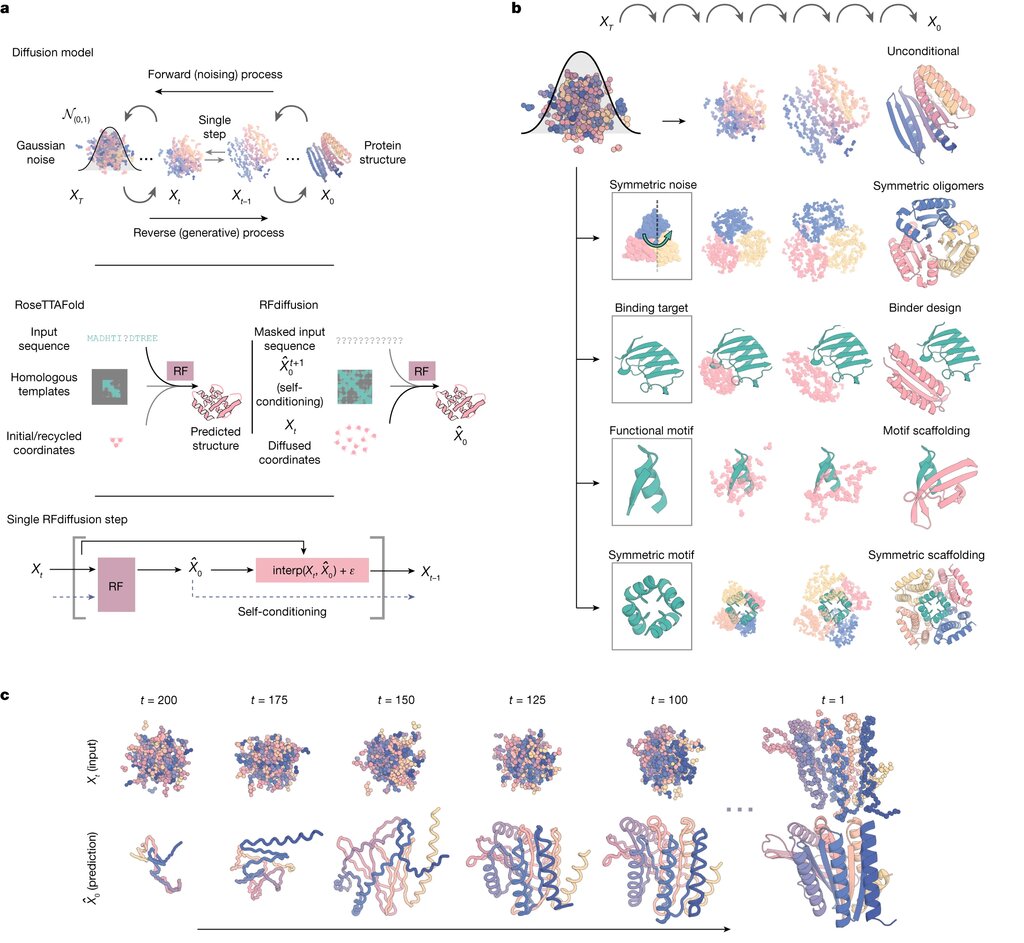
By treating biology as a language, these powerful models give us a new way to read, understand, and even write the building blocks of life. This foundation is key to developing more advanced tools that can predict how drugs and proteins interact on a massive scale.
What is the primary analogy used to explain how a Protein Language Model (PLM) understands proteins?
What is the direct output a PLM creates for a given protein sequence that is then used for downstream tasks like structure prediction?