Conplex Architecture Explained
Introduction to Construction Industry
The World Builders
Look around you. The home you live in, the roads you travel on, the office you work in, and the stores where you shop all have one thing in common: they were all built. The construction industry is the engine of the modern world, turning plans on paper into the physical structures that shape our daily lives.
It's a massive and vital part of the global economy, responsible for creating the infrastructure that supports everything we do. From towering skyscrapers to underground tunnels, construction projects are complex undertakings that require immense coordination, skill, and resources.
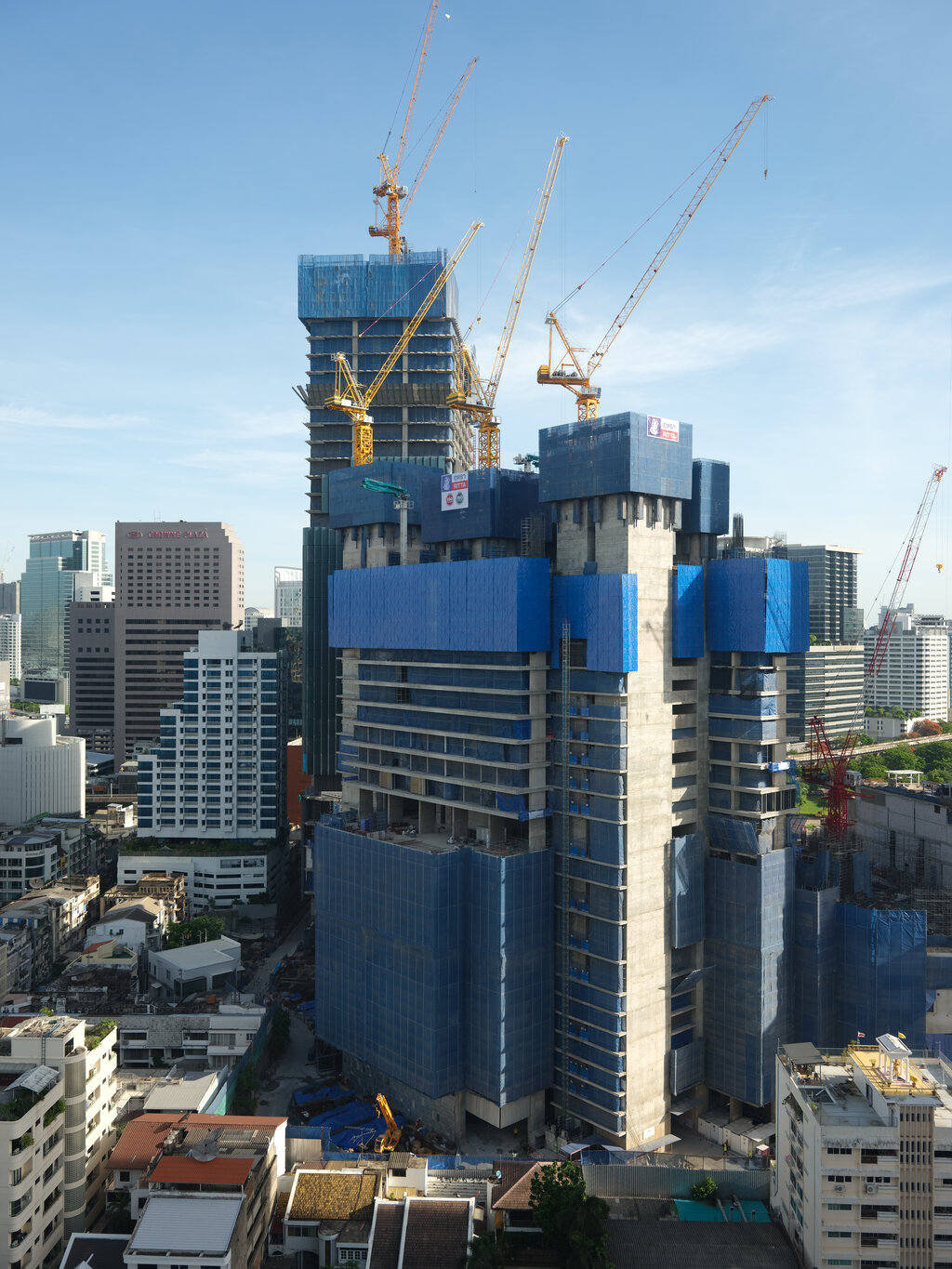
The Four Pillars of Construction
While we often see construction as one big industry, it's actually made up of distinct sectors, each with its own focus and challenges. Understanding these helps clarify the purpose behind different types of projects.
| Sector | Focus | Examples |
|---|---|---|
| Residential | Where people live. | Single-family homes, apartment buildings, townhouses. |
| Commercial | Where business happens. | Office buildings, retail stores, warehouses, hotels. |
| Industrial | Where things are made or processed. | Factories, power plants, manufacturing facilities, refineries. |
| Infrastructure | Public works that serve communities. | Roads, bridges, airports, dams, water treatment systems. |
Each sector requires specialized knowledge. Building a family home is very different from constructing a suspension bridge, and the skills, materials, and regulations involved vary significantly. However, no matter the sector, every project relies on a core team of key players.
The Project Team
A successful construction project is a collaborative effort. Think of it like a movie production: you have producers, a director, screenwriters, and actors all working together. In construction, these key roles are the stakeholders, each with a specific responsibility.
The main stakeholders are the owner, the design team (architects and engineers), and the contractor.
The Owner: This is the individual or organization that commissions the project and pays for it. The owner has the initial vision and the ultimate need for the finished structure. They could be a family wanting a new house, a company needing a new headquarters, or a government funding a new highway.
The Design Team: This group translates the owner's vision into a detailed plan.
- Architects focus on the design, aesthetics, and functionality of the space. They create the blueprints that define the look and feel of the building.
- Engineers ensure the structure is safe, sound, and functional. They handle the technical aspects, like structural integrity, electrical systems, and plumbing.
The Contractor: Also known as the builder, the contractor takes the design team's plans and brings them to life. They hire the workers (subcontractors), manage the construction site, source the materials, and oversee the day-to-day operations to ensure the project is built correctly, on time, and within budget.
These stakeholders must work in close communication. A clear vision from the owner, a precise plan from the designers, and skilled execution from the contractor are all essential for turning an idea into a tangible reality.
Who is the primary stakeholder responsible for commissioning and financing a construction project?
In the design team, which role focuses primarily on the aesthetics and functionality of a space, creating the blueprints that define its look and feel?
Together, these sectors and stakeholders form the backbone of an industry that builds the world we inhabit.