Confident Meeting Participation
Understanding Shyness and Fear
Shyness and Social Fear
Shyness is more than just being quiet. It’s a feeling of apprehension, discomfort, or awkwardness in social situations, especially with unfamiliar people. It often stems from a fear of what others might think.
It's important not to confuse shyness with introversion. An introvert might prefer a quiet evening with a book to a large party because they find social events draining. Their choice isn't driven by fear. A shy person, on the other hand, might avoid the party because they're anxious about the interactions, even if they secretly wish they could go and connect with others.
shyness
noun
The tendency to feel awkward, worried, or tense during social encounters, especially with unfamiliar people.
The Roots of Apprehension
The fear of intense social engagement, particularly at work, has deep psychological roots. For many, it's a fear of negative evaluation. We worry about being judged, criticized, or rejected. Will they think my idea is stupid? Will I say the wrong thing? This internal monologue can be paralyzing.
Past experiences also play a major role. A negative incident during a presentation or a critical comment from a previous boss can linger, making us wary of similar situations. The professional world can also feel like a high-stakes environment where every interaction could impact our career, which only amplifies the pressure.

This constant state of apprehension can significantly affect professional performance. When you're preoccupied with fear, it's hard to focus, contribute your best ideas, or build strong working relationships. Shyness might cause someone to avoid networking events, pass up opportunities to lead a project, or hesitate to ask for a raise. Over time, these missed chances can limit career growth.
Common Triggers
Certain situations are common triggers for engagement anxiety at work. Recognizing them is the first step toward understanding your own reactions.
Public speaking, networking events, meetings with senior management, and performance reviews are frequent sources of workplace social anxiety.
Each of these events involves a degree of performance and the potential for judgment. In a presentation, you are the center of attention. At a networking event, you have to initiate conversations with strangers. In a performance review, your work is being explicitly evaluated. These situations challenge our sense of social safety and can easily provoke fear or shyness.
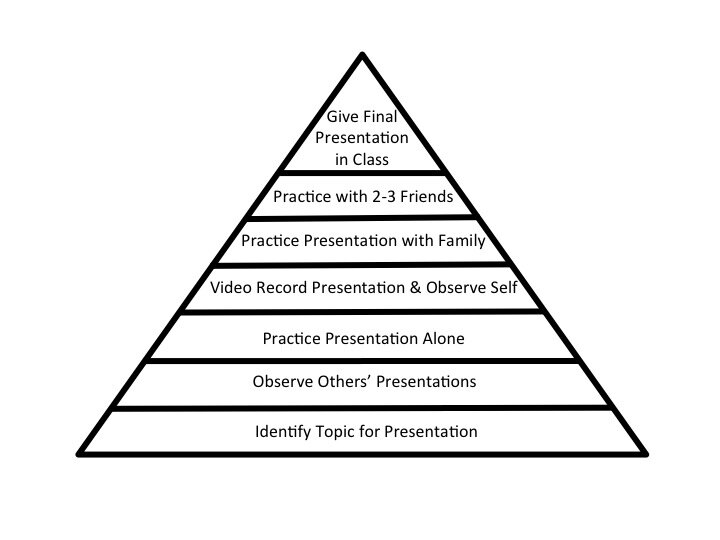
Understanding that these specific, high-pressure moments are common triggers helps to normalize the experience. It's not a personal failing to feel anxious before a big presentation; it's a very human reaction to a stressful situation.
Now, let's check your understanding of these core ideas.
What is the key difference between shyness and introversion?
According to the text, a primary psychological root of intense social anxiety at work is a...
By defining shyness and identifying its causes and triggers in a professional context, you can begin to see it not as a fixed trait, but as a response that can be understood and navigated.