Confident Communication with Women
Understanding Communication Fundamentals
The Art of Listening
We often think of communication as talking, but that's only half the equation. True communication begins with listening. Not just waiting for your turn to speak, but actively working to understand what the other person is saying and feeling.
This is called active listening. It's the difference between hearing sounds and comprehending a message. When you listen actively, you make the other person feel valued and respected. This simple shift can transform a basic exchange into a genuine connection.
To practice active listening, try this:
- Pay Full Attention: Put your phone away. Make eye contact. Show the speaker they have your undivided attention.
- Reflect and Clarify: Briefly summarize what you heard. Phrases like, “So, what you’re saying is…” or “It sounds like you’re feeling…” show you're engaged and give them a chance to correct any misunderstanding.
- Ask Open Questions: Instead of questions that get a simple “yes” or “no,” ask things that encourage them to share more, like “How did that affect you?” or “What happened next?”
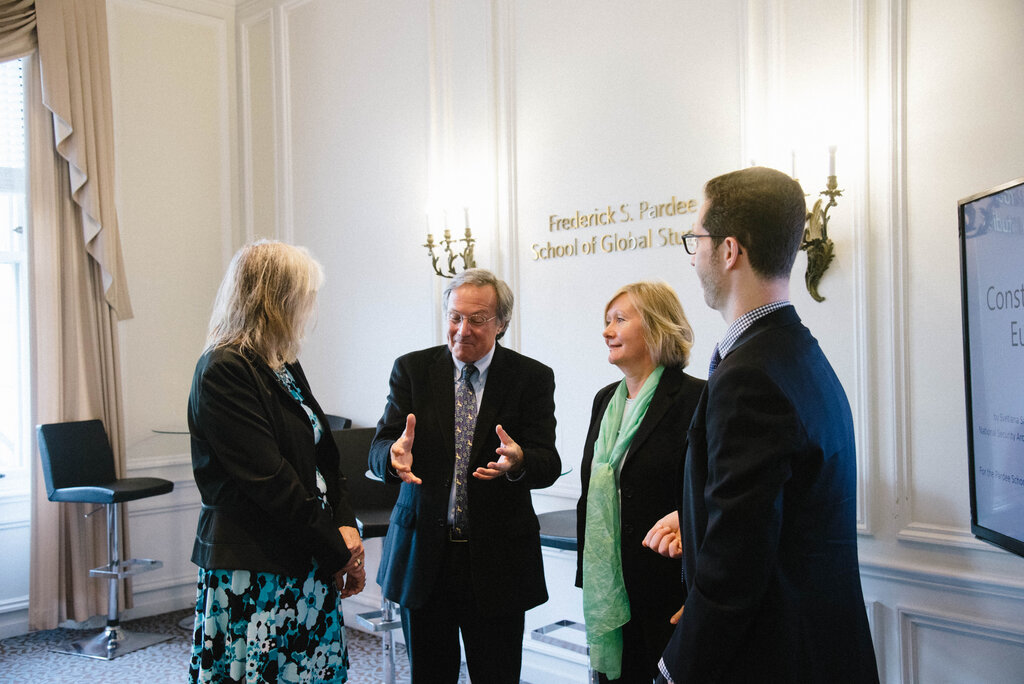
Speaking with Clarity
Once you've listened, it's your turn to speak. The goal of speaking isn't to use big words or sound impressive; it's to be understood. Clear and concise speech is your most effective tool.
Before you speak, take a moment to organize your thoughts. What is the single most important point you want to make? Start there. Use simple language and avoid jargon unless you're certain your audience understands it. Short sentences are often more powerful than long, complex ones. And don't be afraid to pause. A brief silence gives your listener time to process what you've said and adds weight to your words.
Clear speaking is the cornerstone of strong verbal communication skills.
What You Say Without Words
Communication goes far beyond words. Your body language, facial expressions, and tone of voice often send a stronger message than what you're actually saying. These are your non-verbal cues.
Think about it. A welcoming smile can instantly put someone at ease. Maintaining eye contact shows you're engaged and trustworthy. Standing tall with open posture conveys confidence, while slumped shoulders might suggest disinterest. Even your tone of voice can change the entire meaning of a sentence. The phrase "That's a great idea" can be a sincere compliment or a sarcastic jab, all depending on your tone.
Becoming aware of your own non-verbal signals, and learning to read them in others, is a crucial communication skill. It adds a rich layer of understanding to every conversation, helping you build rapport and trust more effectively.
Ready to check your understanding? This quiz covers the key ideas we've just discussed.
What is the primary goal of active listening?
When speaking, what is the most effective way to be understood?
By practicing active listening, clear speech, and mindful non-verbal cues, you lay the groundwork for more meaningful and effective interactions in every part of your life.